Nation
Delhi SIR: Need to review notices being sent 'almost mechanically’, says SC
Apex court bench demands detailed disclosure of parameters defining ‘logical discrepancies’ and inconsistencies in voter data
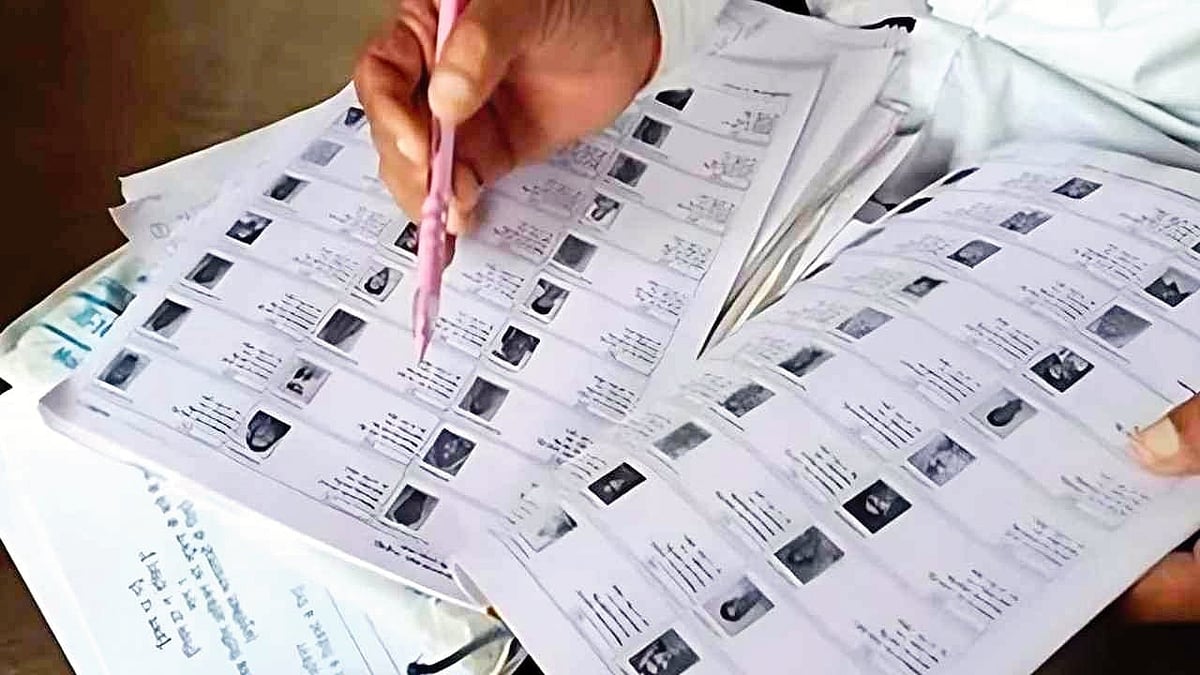
SC criticises EC for “mechanical” issuance of 33+ lakh notices in Delhi’s SIR electoral roll revision
Petitioners demand full disclosure of criteria, algorithms and reasons behind voter notice issuance
14,000-15,000 BLOs and 1,200 EROs deployed to manage revision, says EC and assures zero wrongful deletions
SC suggests additional safeguards and voter assistance by BLOs at ward offices for smoother process
The Supreme Court on Tuesday, 22 September, expressed serious concern over the Election Commission of India’s (ECI) handling of the Special Intensive Revision (SIR) of the electoral rolls in Delhi. A bench headed by Chief Justice Surya Kant and comprising Justices Joymalya Bagchi and V. Mohana noted that notices were being sent to voters without sufficient clarification on the reasons for so-called “logical discrepancies” identified in voter data.
"The notices are going to people almost mechanically. Just look whether some additional safeguards are needed. The basis for identifying logical discrepancy also needs clarification," the bench told senior advocate D.S. Naidu, appearing for the EC.
Naidu was asked about the criteria used to identify discrepancies and how voters were being notified. The bench emphasised the need for clear disclosure of the basis on which notices were being issued to allow affected voters to respond effectively.
The petitioners, activists Anjali Bhardwaj and Amrita Johri, filed a Public Interest Litigation alleging inadequate transparency regarding the names of voters who were issued notices, the specific reasons for such notices, and the underlying definitions, criteria, or algorithmic parameters used in classifying “logical discrepancies”.
Advocate Prashant Bhushan contended that over 33 lakh voters received notices on flimsy grounds, resulting in significant difficulties as those voters must provide one of 12 prescribed documents to dispel discrepancies.
Bhushan also questioned why a person who had already submitted an enumeration form and produced proof of age and residence should be required to furnish further material.
The Chief Justice observed that the Delhi situation could be unique because of its large migrant population.
Naidu asserted that reasons had been assigned in all notices and that the ECI had ramped up manpower, deploying approximately 14,000-15,000 Booth Level Officers (BLOs) and 1,200 Electoral Registration Officers (EROs) for the massive exercise. The court recommended that these officers also aid voters in responding to notices, with Justice Bagchi suggesting making BLOs accessible at ward offices for easier voter engagement.
Senior advocate Kapil Sibal highlighted the challenges posed by Delhi’s multi-storey housing, questioning whether BLOs could realistically visit every household.
As per the current schedule, voters have until October 29 to file claims and objections, though the EC signaled openness to extending the deadline given Delhi is not an election-bound state. The EC also assured the court that “not a single genuine voter would be deleted” during the exercise.
The petitioners have sought:
A consolidated, searchable list of all voters issued notices during the SIR exercise, including specific reasons and addresses
Disclosure of the complete criteria, definitions, algorithms, and operational guidelines governing “logical discrepancies”
Precise identification of discrepancies in notices to allow meaningful participation by voters in hearings
Restraining deletion of names based on vague or non-specific notices lacking relevant factual details
The draft electoral rolls published on August 31 saw about 47 lakh names deleted from Delhi’s total 1.45 crore voters. This included over 43 lakh classified as shifted or absent, nearly 3 lakh as deceased, and 1.4 lakh registered multiple times.
The Supreme Court’s intervention highlights the need for transparency, procedural fairness, and voter protection amid a sweeping revision of electoral rolls in India’s capital.
Join our official telegram channel (@nationalherald) and stay updated with the latest headlines