Nation
Derek O’Brien urges ICSE-ISC schools to oppose NEP, calls it ‘anti-federal’
TMC leader tells conference of principals policy was framed without state consultation; flags concerns over minority rights, funding shortfall
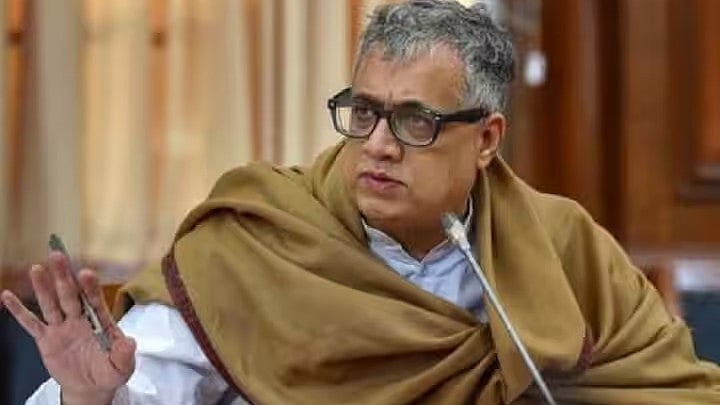
Trinamool Congress (TMC) Rajya Sabha leader Derek O’Brien on Monday called on principals of ICSE-ISC schools across the country to come together and oppose the National Education Policy (NEP), alleging that it was “anti-federal” and framed without consulting states or key stakeholders.
Addressing a gathering of school heads, O’Brien said the NEP undermined India’s federal structure as states were not consulted during its formulation. He said the absence of stakeholder engagement had created difficulties for schools in implementing projects linked to the policy.
O’Brien was speaking as the chief guest at the 103rd Annual Conference of the Association of Heads of Anglo-Indian Schools in India, held at La Martiniere for Girls School in Kolkata. The conference was attended by representatives of over 3,000 ICSE-ISC schools from across the country.
Pointing to the existence of state-specific education frameworks, the TMC leader said several states had formulated their own policies. He cited West Bengal, Tamil Nadu and Karnataka as examples, noting that West Bengal implemented its state education policy in 2023 under Chief Minister Mamata Banerjee, while Tamil Nadu’s policy and Karnataka’s draft policy were released in 2025.
“The lack of consultation with states and stakeholders has made implementation of NEP-linked projects difficult for schools,” O’Brien said.
Raising concerns over minority-run educational institutions, O’Brien referred to Article 30 of the Constitution, which grants minorities the right to establish and administer educational institutions of their choice. He alleged that this constitutional protection was being “adversely affected by the centralising tendency of the NEP”.
He also flagged what he described as the growing impact of central legislation on institutional autonomy, citing “legislation like the recently introduced Viksit Bharat Shiksha Adhishthan Bill” as an example. Such measures, he argued, further eroded the independence of educational institutions.
On funding, O’Brien said government expenditure on education had “never touched 6 per cent of GDP”, the level recommended in the NEP, and had instead remained around 3–4 per cent over the years.
The TMC leader also encouraged members of the Christian community to remain visible in public life for “positive reasons”, highlighting their contribution to education and healthcare in India.
According to O’Brien, nearly six crore students are enrolled every year in about 54,000 Christian-run educational institutions across the country, with at least three out of four students belonging to non-Christian communities. He said healthcare institutions run by the community served around 2 per cent of India’s population, with nearly 80 per cent of this work being carried out in remote and medically underserved regions.
He said the contribution of minority institutions to nation-building needed to be acknowledged and protected, particularly at a time when, he alleged, centralising policy trends were reshaping the education sector.
Join our official telegram channel (@nationalherald) and stay updated with the latest headlines