Nation
Embracing the flames: Lohri’s enduring legacy of harvest and heroism
Far from a mere seasonal marker, this festival weaves together agrarian traditions, legendary valour, and a subtle reminder of communal harmony
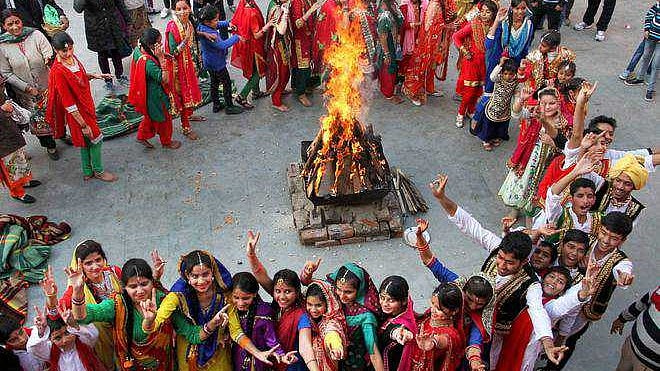
As the chill of winter begins to wane in Northern India, the crackling bonfires of Lohri light up the night sky, symbolising not just the triumph of longer days but a deeper cultural resilience.
On this 13 January 2026—a day when families across Punjab, Haryana, and beyond gather around flames to sing, dance, and share sweets—it’s worth pausing to reflect on Lohri’s roots.
Far from a mere seasonal marker, this festival weaves together agrarian traditions, legendary valour, and a subtle reminder of communal harmony in an era often marked by division. In a nation grappling with identity politics, Lohri stands as a quiet testament to shared histories that transcend religious boundaries.
The Essence of Lohri: Marking Winter’s Retreat
Lohri, a cherished winter folk festival among Dogra and Punjabi communities, is celebrated primarily in Northern India with an infectious zeal that heralds the end of the harsh cold. Its significance is multifaceted, linking it to the Duggar (Jammu) and Punjab regions through age-old legends and customs.
Many believe it commemorates the passing of the winter solstice, signaling the sun’s northward journey and the promise of warmer, longer days.
Observed on the eve of Maghi, Lohri effectively bids farewell to winter while welcoming the agricultural renewal that follows.
At its core, Lohri is an agrarian celebration, tied to the harvest of rabi crops like wheat and sugarcane. Farmers offer the first yields—popcorn, rewri (sesame sweets), and gajak (jaggery treats)—to the fire as a gesture of gratitude to the sun god and the earth.
But beyond the rituals, Lohri embodies a spirit of renewal. In today’s fast-paced world, where climate change disrupts traditional farming cycles, this festival urges us to reconnect with nature’s rhythms. It’s a poignant op-ed moment: as urban India drifts from its rural heritage, Lohri’s bonfires remind us that progress need not erase our foundational ties to the land.
The Legend of Dullah Bhati: Punjab’s Robin Hood and Protector
No discussion of Lohri is complete without invoking the tale of Rai Abdullah Khan Bhati, better known as Dullah Bhati—a figure whose heroism echoes through the festival’s songs and stories. This proud son of Punjab, a legendary rebel during the Mughal era under Emperor Akbar, is remembered as a protector of women and a defiant warrior against tyranny.
Often likened to Robin Hood, Dullah, a Muslim Rajput, led peasant revolts, rescued Punjabi girls from being sold into slavery or forced tributes, and redistributed wealth to the needy. His exploits culminated in his execution, but his legacy endures in Lohri folk songs like “Sunder Mundriye,” where children chant praises while collecting treats door-to-door.
What strikes a chord in our polarised times is the little-known fact that Dullah Bhati was Muslim—a detail that underscores Lohri’s inclusive ethos.
In an age when festivals are sometimes co-opted for narrow narratives, this hero’s story challenges us to embrace the syncretic fabric of Indian culture.
Dullah’s rebellion wasn’t sectarian; it was a stand for justice that united communities. As we sing his praises around the bonfire, Lohri subtly critiques modern divisions, advocating for a heroism defined by humanity rather than creed.
Celebrations Today: Joy, Tradition, and Contemporary Resonance
Across social media and neighbourhoods today, greetings for Lohri 2026 flood in, with families sharing images of bonfires, dhol beats, and festive feasts. Women and children, adorned in vibrant attire, circle the fire, tossing offerings while men perform bhangra.
The air fills with the aroma of roasted peanuts and the rhythm of songs honouring Dullah Bhati. In urban centers like Mumbai, where Punjabi diasporas thrive, Lohri adapts—blending traditional rituals with modern twists like eco-friendly bonfires.
Yet, Lohri’s true power lies in its ability to foster unity.
Historically, it brought together Hindus, Sikhs, Muslims, and even Christians in undivided Punjab. Today, amid rising communal tensions, reviving this inclusive spirit could be transformative. As we warm ourselves by the flames, let’s commit to a Lohri that honours not just the harvest, but the harvest of shared values—justice, protection, and collective joy.
In doing so, we ensure that legends like Dullah Bhati’s continue to inspire, bridging past and present in a glow of enduring hope.
Hasnain Naqvi is a former member of the history faculty at St. Xavier’s College, Mumbai
Join our official telegram channel (@nationalherald) and stay updated with the latest headlines