Nation
Harish Rana, first to be allowed passive euthanasia, passes away after 13 years in coma
Landmark Supreme Court ruling allows withdrawal of life support, marking a historic moment in India’s right to die with dignity case law
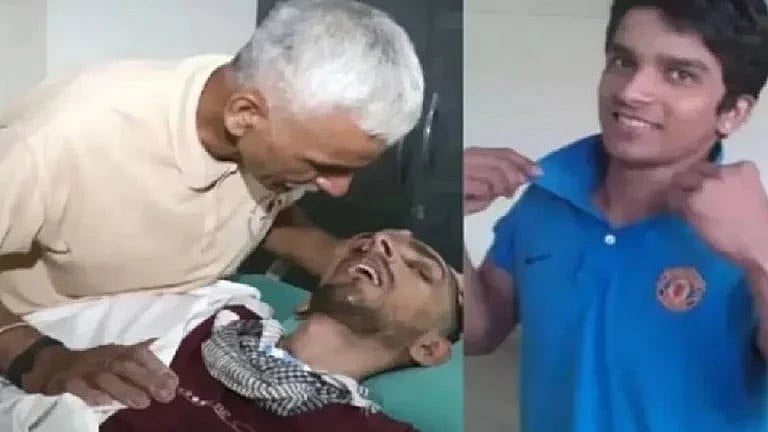
Harish Rana, the first person in India to be permitted passive euthanasia, died at AIIMS Delhi on March 24, after more than 13 years in a coma. Injured in a tragic fall from a fourth-floor balcony in 2013, Rana had been in a persistent vegetative state with life sustained by artificial nutrition and oxygen support.
On March 11 2026, the Supreme Court of India delivered a landmark judgment allowing the withdrawal of life-sustaining treatment for Rana—marking the first time passive euthanasia was legally implemented with a structured medical process in India. The court acknowledged that Rana’s survival depended solely on clinically administered nutrition via a percutaneous endoscopic gastrostomy tube, and that continuing treatment would only prolong biological existence without hope of recovery.
Passive euthanasia, defined as the intentional withholding or withdrawal of life support to allow natural death, had been recognised in India’s 2018 Common Cause judgment as part of the fundamental right to die with dignity under Article 21 of the Constitution. This right was further clarified by a five-judge Constitution bench in 2023, which simplified procedures for passive euthanasia, requiring expert opinions from primary and secondary medical boards.
Following the Supreme Court’s ruling, Rana was admitted to the Palliative Oncology Unit at AIIMS’s Dr B R Ambedkar Institute Rotary Cancer Hospital, where a specialised team led by Dr Seema Mishra oversaw the gradual withdrawal of artificial nutrition. The court commended Rana’s parents, Ashok and Nirmala Rana, for their unwavering care and devotion throughout his long illness.
After Rana’s passing at 4.10 p.m. on March 24, his family donated his corneas and heart valves, further extending the gift of life to others. His father had earlier expressed that the decision to allow passive euthanasia was made not for personal benefit but to uphold dignity after years of irreversible suffering.
Journalist and activist Pinki Virani, who had petitioned for euthanasia rights in the well-known Aruna Shanbaug case, praised AIIMS for compassionate care and urged families to communicate their wishes regarding end-of-life decisions to ease future challenges.
The Supreme Court directed the Union government to consider comprehensive legislation on passive euthanasia and mandated that district chief medical officers maintain panels of registered medical practitioners to form medical boards, ensuring a regulated, dignified approach to such cases in the future.
Harish Rana’s case sets a precedent in India’s evolving legal framework on the right to die with dignity, balancing medical ethics, patient autonomy, and compassionate care.
(With agency inputs)
Join our official telegram channel (@nationalherald) and stay updated with the latest headlines