Nation
JU V-C urges restraint on wall graffiti, promotes social media expression
Chiranjib Bhattacharya urges students to express their political and social views on social media rather than through wall graffiti
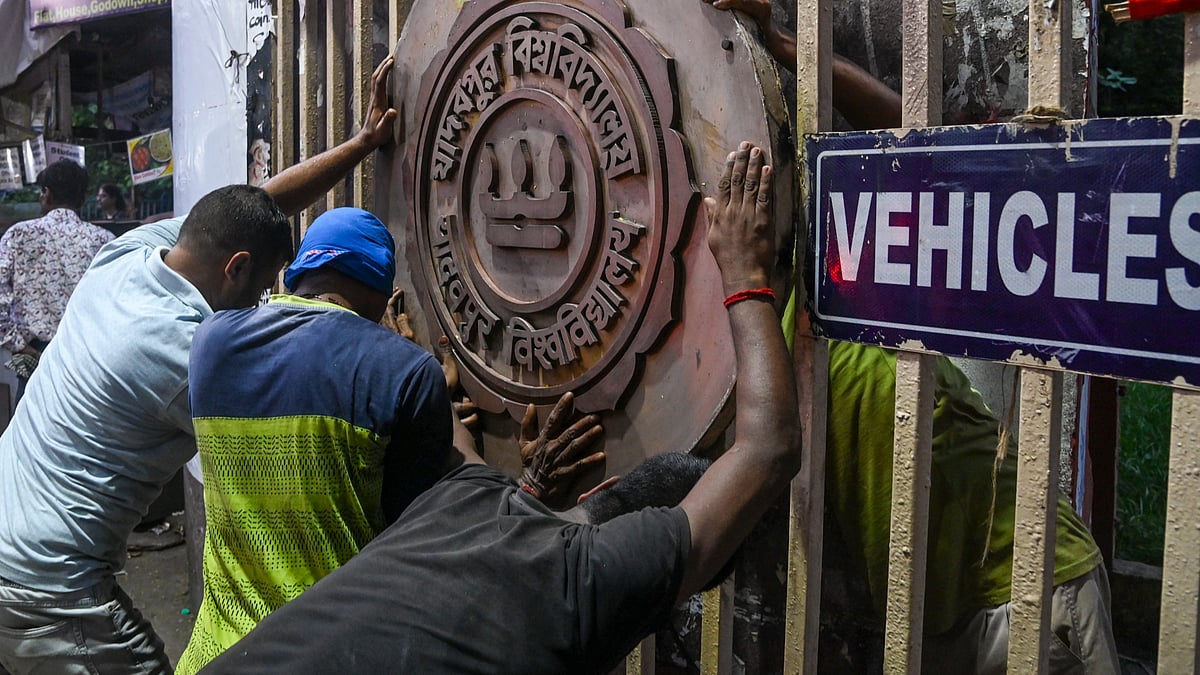
Jadavpur University vice-chancellor Chiranjib Bhattacharya has appealed to students and teachers to exercise restraint in writing on campus walls, while stressing that the university’s long-standing tradition of free thought and expression must be protected.
In an open letter to the university community, Bhattacharya said his appeal was not intended to restrict freedom of expression. Instead, he said, the aim was to strike a balance between democratic expression and the need to preserve the campus environment, academic atmosphere and the institution’s heritage.
“Jadavpur University has a long tradition of free thought and expression. We must preserve this heritage while ensuring that the campus remains clean, peaceful and aesthetically pleasing,” Bhattacharya said.
Speaking to PTI, the vice-chancellor said students should be encouraged to use social media platforms more actively to express their political and social views rather than resorting to graffiti on university walls.
Bhattacharya maintained that open debate and dissent were integral to the university’s identity, but argued that such expression should not come at the cost of the physical environment or the peaceful academic atmosphere on campus.
The V-C’s appeal comes days after controversy erupted over alleged anti-national slogans painted on the university campus.
West Bengal chief minister Suvendu Adhikari had directed that such slogans be removed from the premises, following criticism of wall writings at the university’s Arts Faculty. Acting on the direction, university authorities whitewashed several portions of the walls.
However, fresh graffiti has since appeared on the campus, bringing the issue of wall writings back into focus.
Adhikari had specifically objected to slogans including “Red salute to Kishenji” and “Kashmir wants freedom”. He described the writings as objectionable and criticised what he termed a culture of political graffiti at an institution he described as a “centre of excellence”.
The reference to Kishenji relates to Maoist leader Koteshwar Rao, popularly known as Kishenji, who was killed in a police operation in 2011, months after the Mamata Banerjee-led Trinamool Congress government came to power in West Bengal.
The controversy has renewed a broader debate over the place of political expression on university campuses, particularly at Jadavpur University, which has historically been associated with student activism, political debate and a strong culture of dissent.
Bhattacharya’s intervention seeks to preserve that tradition while discouraging physical graffiti on university property. His suggestion that students shift more of their political expression to social media reflects an attempt to separate the right to express dissent from the practice of writing slogans on campus walls.
The vice-chancellor has therefore called for restraint rather than a blanket restriction on political expression, emphasising that Jadavpur University’s culture of free thought should coexist with a clean, peaceful and academically conducive campus.
The issue remains sensitive, with fresh wall writings appearing even after portions of the campus were whitewashed, keeping the debate over freedom of expression, political graffiti and the character of the university alive.
With PTI inputs
Join our official telegram channel (@nationalherald) and stay updated with the latest headlines