Nation
Jaipur electoral rolls cut, over 61,000 removed from CM’s Sanganer seat
Special Intensive Revision raises questions over voter exclusion and mapping errors ahead of elections
A sweeping reshuffle of Jaipur district’s electoral rolls has sparked concerns over voter disenfranchisement, with over 5.36 lakh names removed across 17 Assembly constituencies in the draft voter list released by the Election Commission of India (ECI) on Tuesday. The deletions, carried out under the Special Intensive Revision (SIR), effectively exclude roughly one in nine registered voters in the district.
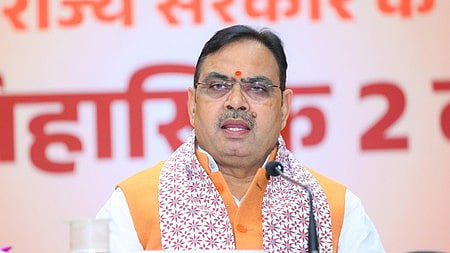
Sanganer, the Assembly constituency of Chief Minister Bhajanlal Sharma, has been particularly affected. The draft shows 61,674 voters – approximately 16.46 per cent of the constituency’s electorate – removed from the rolls, with another 24,465 voters remaining unmapped. Prior to the revision, Sanganer had 3,74,735 registered voters, highlighting the scale of the exclusions.
Officials cited reasons for the deletions including migration, deaths, and duplicate registrations. However, the SIR has also flagged 1.90 lakh voters as “unmapped,” requiring them to submit 13 prescribed documents to prove their citizenship – a process that critics argue could disproportionately burden marginalised and less-informed voters.
Civil Lines recorded the highest proportion of deletions, with 49,474 names removed, accounting for nearly 20 per cent of the electorate. By contrast, Chomu saw the lowest impact, with only 3.42 per cent of voters removed. Overall, Jaipur district’s registered voters have dropped from 48.23 lakh to 42.87 lakh following the revision, marking an 11.12 per cent reduction.
The SIR exercise has begun a claims and objections period, allowing affected voters to approach the concerned Returning Officer until January 15. After verification, a final voter list will be published.
Critics argue that the exercise, while officially aimed at cleaning up the rolls, risks excluding genuine voters and could have political repercussions. The sheer scale of deletions in constituencies like Sanganer and Civil Lines raises questions over the accuracy of the mapping process and whether citizens have been unfairly disenfranchised ahead of future elections.
With such a significant proportion of the electorate now required to prove their eligibility, political observers warn that administrative errors or delays could hinder voter participation, particularly among the elderly, rural populations, and economically disadvantaged groups. The SIR’s outcomes are likely to fuel debate over transparency, fairness, and electoral preparedness in Rajasthan ahead of the next Assembly polls.
With IANS inputs
Join our official telegram channel (@nationalherald) and stay updated with the latest headlines