Nation
West Bengal: Left out of voters’ list, former HC judge questions ECI and SIR
No receipt was given for the documents he submitted; no reason has been cited for leaving him out either
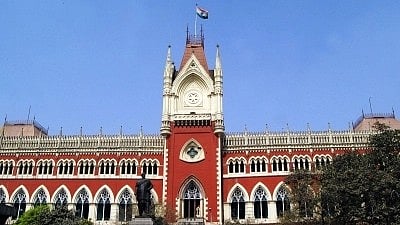
Justice Sahidullah Munshi and members of his family found their names missing from West Bengal's draft electoral roll released by the Election Commission on 28 February.
Justice Munshi, his wife and sons had submitted their documents to the booth-level officer (BLO) and appeared for a verification hearing, apparently to the satisfaction of officials. However, when the revised list was published, the names of his wife and sons were shown as being ‘under adjudication’, while the retired Calcutta High Court judge himself was surprised to find his name in the supplementary list marked as ‘not found’.
Justice Munshi told Bar & Bench that he had consciously avoided disclosing during the hearing that he is a former High Court judge. “I do not want to submit any sort of document which says I am a former high court judge because I want to be treated at par with common citizens and that is why I submitted all my correct documents, including my passport,” he said.
Like millions of other voters in the state whose names have been deleted from the rolls, Munshi said he has no proof of having submitted documents. Nor does he have any proof that he attended the hearing when summoned. Neither is there any record of the questions asked during the hearing or confirmation that the proceedings concluded to the satisfaction of officials deputed by the Election Commission of India (ECI).
“So, even if they declare later that the documents were improper, I do not know how to challenge it because no receipt was given to me,” he said.
With the last dates of nomination for the two-phase West Bengal Assembly election being 8 and 12 April, there is still no clarity on how, where and when the appellate tribunals — set up following directions from the Supreme Court — will begin functioning. “The 19 appellate tribunals that have been constituted are only on paper. There are no guidelines as to how those tribunals can function and what they can do. I do not know whom to approach,” Munshi said.
“Besides challenging the omission on the ground of violation of natural justice, there are no other grounds on which I can move the appellate tribunal, and if the appellate tribunal does not find it fit, then I have to move the high court under Article 226,” he added.
The Special Intensive Revision (SIR) of electoral rolls has proved particularly contentious in West Bengal, with criticism directed at both the ECI and the Supreme Court for the manner in which the process has unfolded. Anger and frustration are visible on the ground, with many voters alleging they have been unfairly left out of the rolls.
The continued silence of the ECI and the chief electoral officer, West Bengal — which have so far neither accepted responsibility nor offered a detailed explanation — has further deepened resentment among affected voters.
Munshi, who served as a judge of the Calcutta High Court between 2013 and 2020 and currently chairs the West Bengal Board of Auqaf, indicated that he intends to pursue the matter once formal reasons for the deletion are communicated.
The Election Commission has maintained that the revision exercise is aimed at ensuring accuracy and integrity of electoral rolls. But as challenges emerge from affected individuals, questions are being raised over whether the grievance redressal mechanism is sufficiently transparent and accessible.
Join our official telegram channel (@nationalherald) and stay updated with the latest headlines