Nation
Maharashtra tells banks to halt farm recovery visits amid drought
Cabinet panel directs 10 per cent urban water cut and seeks planning for drinking water and fodder supplies over the next 10 months
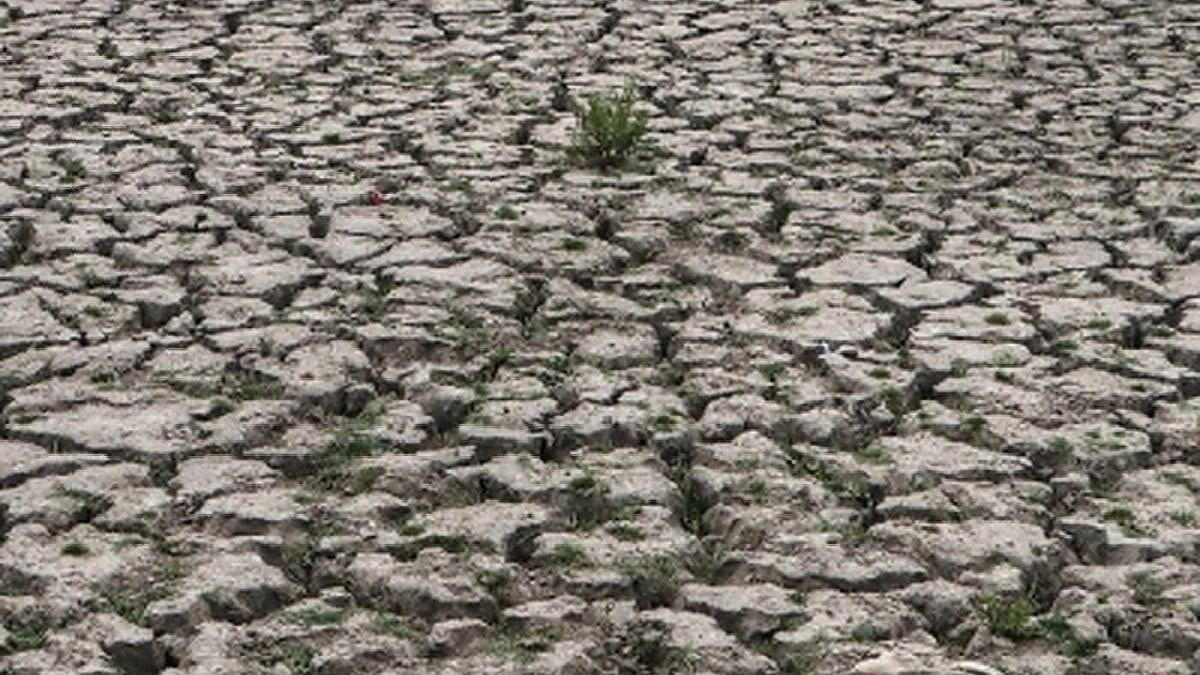
Banks and credit societies told not to visit farmers for crop loan recovery
Drought relief panel orders a 10 per cent urban water cut, with conserved supplies to be held until June next year
Officials are asked to submit a crop condition report by 25 October and prepare district-level fodder plans
With drought-hit farmers struggling and the Maharashtra government facing criticism over its response, revenue minister Chandrashekhar Bawankule has directed banks and credit societies not to visit farmers’ homes for crop loan recovery. He has also asked officials to explore whether the Reserve Bank of India could issue a circular suspending recovery proceedings.
At a meeting of the drought relief cabinet sub-committee chaired by Bawankule on Tuesday, the panel also directed a 10 per cent cut in urban water supplies. The water saved is to be retained as a buffer until June next year, according to an official release.
Maharashtra has declared drought in 265 of its 358 talukas amid deficient rainfall and announced assistance including crop loan restructuring, land revenue concessions and electricity bill subsidies. Water is currently being supplied through 560 tankers across the state.
Under fire from various quarters, Bawankule asked chief secretary Rajesh Aggarwal to ascertain whether the RBI could intervene on loan recovery. He said district collectors and police officials should ensure that banks and credit societies do not approach farmers to recover crop loans during the crisis.
He also directed local revenue staff, gram sevaks and agriculture officers to remain in their assigned areas and closely monitor conditions.
Principal secretary Vinita Ved Singhal told the panel that reports from divisional commissioners showed scarcity in 265 talukas. These areas met the ‘Trigger-1’ criteria under the state’s drought management framework, while 43 talukas had qualified under ‘Trigger-2’.
Trigger-1 is activated when a rainfall deficit exceeding 25 per cent is accompanied by a dry spell lasting 21 days. The second stage assesses the impact through indicators such as sowing, crop condition, groundwater levels and reservoir storage.
Singhal urged officials to issue the necessary government resolution for the 43 talukas and other affected areas without procedural delays.
Although sowing had covered 96 per cent of the area, she said the condition of standing crops remained a concern. She called for a factual field survey and a final report by 25 October. Bawankule said farmers’ signatures had been obtained on crop damage assessment reports and directed officials to provide all possible assistance.
The committee sought comprehensive planning for drinking water and fodder requirements over the next 10 months. Drinking water and livestock needs will receive priority, with village ponds and percolation tanks reserved for drinking supplies.
Bawankule said water stocks in dams and lakes must be regulated. He suggested restrictions on large construction projects and avoiding cement road works and other activities that consume or waste-water.
Environment minister Pankaja Munde proposed temporarily suspending permissions for residential and commercial construction in areas facing drinking water shortages. Water resources minister Girish Mahajan called for action against water theft around lakes, including disconnection of electricity used for such activities.
Several ministers suggested setting up fodder depots as an alternative to conventional fodder camps. Officials were also instructed to prevent fodder produced in Maharashtra from being transported outside the state.
Bawankule said initial proposals for fodder camps should be prepared under district collectors and finalised by committees comprising Zilla Parishad chief executives and agriculture and animal husbandry officials.
He asked the chief secretary to form a committee of secretaries from three departments to examine fodder management practices in other states and develop a plan for Maharashtra. District collectors were also encouraged to draw on corporate social responsibility funds for drought relief as the administration prepares for the rabi season.
With PTI inputs
Join our official telegram channel (@nationalherald) and stay updated with the latest headlines