Nation
Marathi to be mandatory for taxi and rickshaw drivers in Maharashtra from 1 May
State to enforce language rule with licence checks and strict penalties for non-compliance
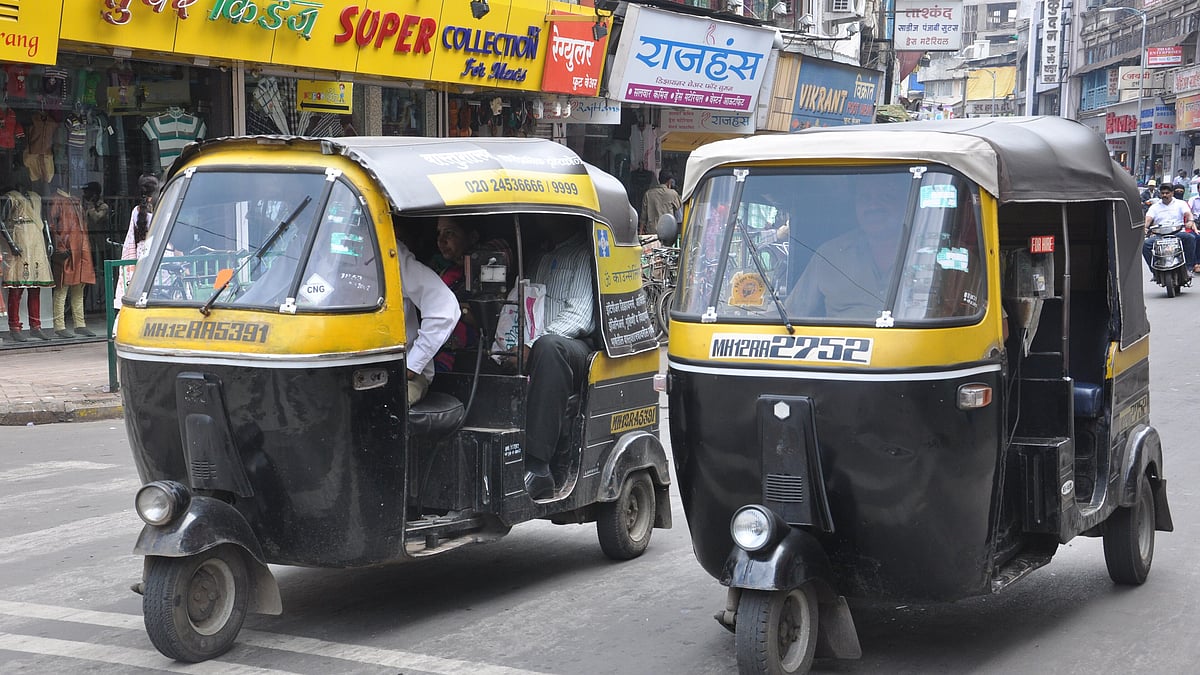
Pratap Sarnaik, Maharashtra’s Transport Minister, has announced that from 1 May, all licensed auto-rickshaw and taxi drivers in the state will be required to read and write Marathi, with non-compliance leading to cancellation of licences.
The directive, set to come into force on Maharashtra Day, will be enforced through a statewide inspection drive conducted by the Motor Transport Department across its 59 regional and sub-regional offices. Authorities will verify whether drivers possess basic proficiency in Marathi, including reading and writing skills.
Sarnaik said the rule is not new, noting that knowledge of the local language has long been a requirement for obtaining commercial driving licences. However, complaints—particularly from cities such as Mumbai Metropolitan Region, Chhatrapati Sambhaji Nagar and Nagpur—have highlighted that many drivers are unable or unwilling to communicate in Marathi.
“It is the responsibility of anyone conducting business in a state to learn and respect its language,” the minister said, adding that strict action would also be taken against transport officials found issuing licences without properly verifying language proficiency.
Transport department sources indicated that the enforcement drive would be stringent, with little room for exceptions. Drivers found lacking Marathi skills could face immediate licence revocation, while officials responsible for lapses may face disciplinary action.
The issue of Marathi proficiency among public transport drivers has been a recurring subject of debate in Maharashtra for years. A similar directive introduced in 2016, requiring knowledge of Marathi for new auto-rickshaw permits, had sparked legal challenges and concerns over its impact on migrant workers.
Under the Maharashtra Motor Vehicles Rules, the state government has the authority to set conditions for granting permits. Officials argue that language proficiency is essential for public service, enabling drivers to understand road signage, communicate with authorities, and assist local passengers effectively.
The latest move, timed ahead of Maharashtra Day, is being framed as an effort to reinforce existing regulations while addressing long-standing concerns raised by commuters over communication barriers in public transport.
With IANS inputs
Join our official telegram channel (@nationalherald) and stay updated with the latest headlines