Nation
Nepal floods: Gujarat collects DNA samples of kin of 29 missing people
Collected samples are now being processed for DNA profiling to help identify bodies and human remains recovered from flood-hit areas
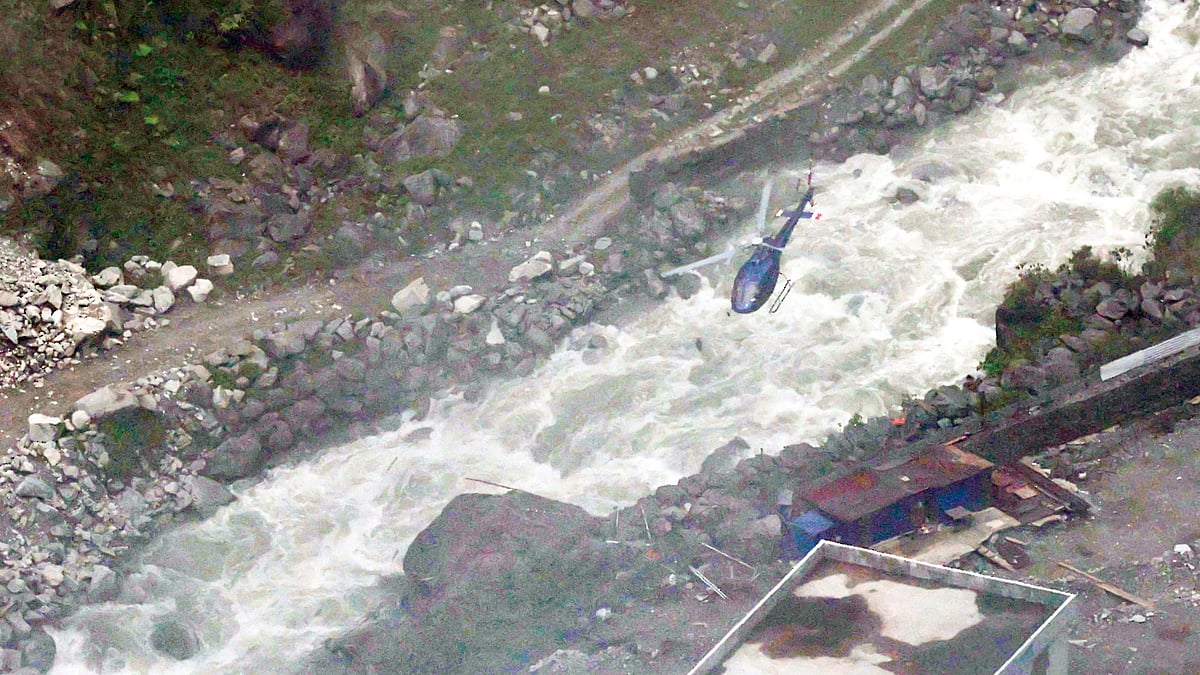
The Gujarat government has completed DNA sample collection from relatives of 29 of the 30 people from the state, including Non-Resident Gujaratis (NRGs), who remain missing or uncontactable following the flash floods in Nepal on 26 August.
The disaster particularly affected areas along the Nepal-Tibet border and the Bhote Koshi river corridor. The collected samples are now being processed for DNA profiling to help identify bodies and human remains recovered from the flood-hit areas. The process of collecting samples for the remaining missing person is also underway.
The Gujarat State Non-Resident Gujaratis’ Foundation (NRGF), operating under the NRI Division of the General Administration Department, is coordinating with families, government agencies and authorities in India and abroad as part of the identification effort.
The DNA collection and profiling process is being carried out in accordance with guidelines issued by the central government. Designated forensic laboratories have been identified to collect samples from first-degree relatives of people reported missing.
DNA profiling at the designated laboratories is being conducted free of cost, in accordance with directions issued by Union home minister Amit Shah.
Six designated laboratories across Gujarat are facilitating the process. DNA profiling is being carried out in Gandhinagar, Ahmedabad, Surat, Vadodara, Junagadh and Rajkot.
The National Forensic Sciences University (NFSU) in Gandhinagar is coordinating with the Ministry of External Affairs to facilitate the profiling of samples collected in India and their linkage with the identification process being conducted in Nepal.
A 10-member forensic team from NFSU has also been involved in identification efforts in Nepal.
Nepal Police has separately launched DNA profiling of bodies and human remains recovered following the floods. The Nepalese authorities have asked first-degree relatives of missing people living abroad to undergo DNA profiling at authorised forensic laboratories in their respective countries.
The DNA profiling reports prepared by designated laboratories in India are being sent directly to Nepalese authorities through official email addresses and contact numbers notified for the identification exercise.
The NRGF has been contacting relatives of each missing person and providing information about designated laboratories, available facilities and the procedure for DNA sample collection and profiling.
The foundation is also coordinating with NRGs and relatives living overseas to determine whether DNA samples have been collected by local authorities and to track the progress of identification efforts.
In cases involving relatives living in New Zealand, the United States, Canada and African countries, the NRGF has obtained information about samples collected by authorities in those countries and the status of the identification process.
In several cases, samples from relatives living abroad have already been collected through the respective local authorities.
The Gujarat government has been coordinating efforts to locate people from the state and Gujaratis living abroad who were reported missing or remain uncontactable following the floods.
The State Emergency Operations Centre (SEOC), district administrations and the NRGF are jointly involved in the effort. A consolidated list of missing and untraceable people prepared by the SEOC and NRGF has also been shared with the Nepal government.
At present, 30 people, including NRGs, remain untraceable from the affected areas.
Those reported missing or out of contact are from Ahmedabad, Anand, Banaskantha, Kheda, Gandhinagar, Surat, Valsad, Rajkot and other parts of Gujarat.
Several of them had travelled to Nepal as part of the Kailash Mansarovar Yatra, using different travel agencies and routes.
The scale of the disaster has made conventional identification difficult, particularly in cases where bodies have been severely damaged or human remains have been recovered in fragmented form.
Nepal has therefore undertaken a large-scale DNA-based identification exercise. DNA samples collected from relatives are being compared with genetic material obtained from recovered bodies and human remains.
The process is expected to help establish the identities of victims from Gujarat and other parts of India, as well as foreign nationals, and provide families with definitive information about relatives who remain missing after the devastating floods.
With IANS inputs
Join our official telegram channel (@nationalherald) and stay updated with the latest headlines