Nation
NGT orders immediate halt to road construction in Manipur’s hill areas
Tribunal halts work and sets up a high-level expert panel to inspect site, check compliance and act on violations while protecting forest land
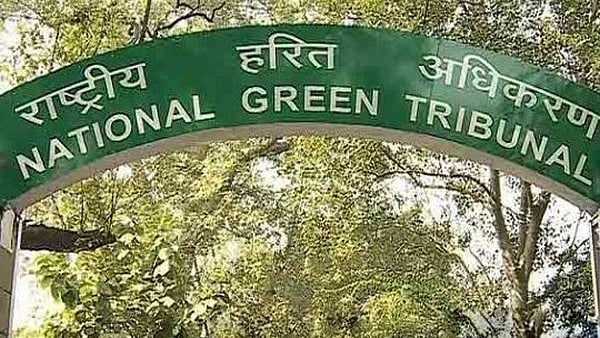
In a decisive intervention to protect fragile ecosystems, the National Green Tribunal’s (NGT) Eastern Zone Bench in Kolkata has ordered the immediate suspension of an ongoing road construction project cutting through Manipur’s hilly and forested landscapes, pending comprehensive environmental and geological safety assessments.
The Bench, comprising judicial member justice Arun Kumar Tyagi and expert member Ishwar Singh, directed the Manipur chief secretary to issue urgent instructions to all district magistrates and superintendents of police across the six affected districts, ensuring that no further construction linked to the project proceeds until due process is followed.
The order was passed during a physical hearing conducted in hybrid mode on an original application filed by Khuraijam Athouba Singh, convener of the Coordinating Committee on Manipur Integrity (COCOMI), a prominent Meitei civil society organisation. Invoking the provisions of the National Green Tribunal Act, 2010, the petitioner sought an immediate halt to what he described as unlawful construction in ecologically sensitive and forest areas, allegedly undertaken without mandatory statutory clearances.
Alongside halting the work, the tribunal constituted a high-level expert committee to inspect the project site, assess compliance, and initiate appropriate action in the event of violations, while ensuring the protection of forest land.
According to the application, the road project — popularly known as the “Ring Road” — cuts across districts such as Churachandpur, Kangpokpi, Noney and Ukhrul. It is alleged to have been executed without essential approvals, including forest clearance, environmental impact assessments and no-objection certificates from competent authorities.
The tribunal has listed the matter for further hearing on 2 February 2026.
In a statement following the order, COCOMI convener Singh said the road is locally referred to as the “German Road,” and in certain stretches as the “Tiger Road.” He noted that the project entered the public spotlight during the Manipur ethnic crisis, after visuals circulated on social media, including those of an alleged flag-off or inauguration involving a local legislator.
COCOMI alleged that the road was partially constructed in secrecy, outside established legal and environmental frameworks, with no publicly available records to show that mandatory statutory clearances were ever obtained.
Singh added that concerns have been raised through representations and civil society reports suggesting the road may have functioned as a clandestine corridor during a period of administrative breakdown amid the ethnic violence. However, the organisation clarified that these remain allegations, requiring independent investigation and judicial scrutiny, and that no definitive conclusions are being drawn at this stage.
Describing the interim NGT order as a vital affirmation of the environmental rule of law, COCOMI said the tribunal’s intervention would help prevent the misuse of illegally constructed infrastructure and safeguard Manipur’s delicate hill ecosystems and indigenous lands.
Reiterating its faith in constitutional institutions, the organisation said it would pursue the matter strictly through legal, democratic and peaceful means, expressing confidence that judicial oversight will ensure accountability, environmental protection, and long-term peace and stability in the state.
With IANS inputs
Join our official telegram channel (@nationalherald) and stay updated with the latest headlines