Nation
Nirav Modi seeks to reopen UK extradition case alleging ‘real risk of torture’ in India
Charges against the fugitive diamantaire in India include fraud, money laundering, and evidence tampering in PNB case
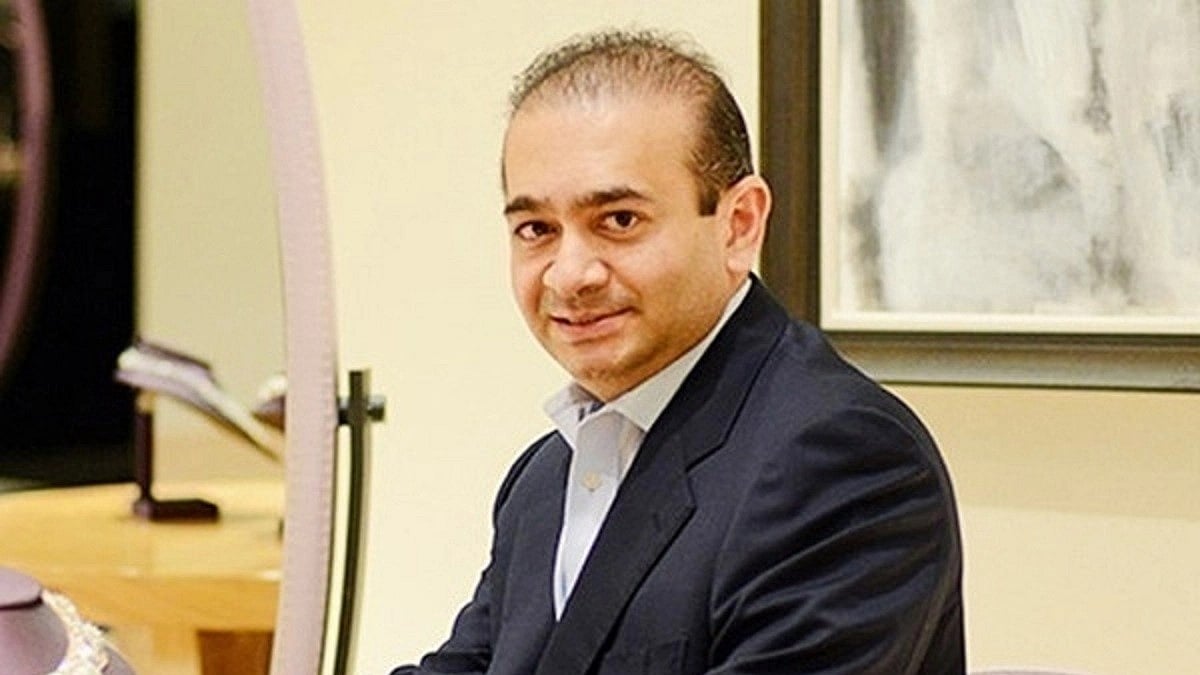
In a courtroom drama unfolding at London’s historic Royal Courts of Justice, fugitive diamantaire Nirav Modi made a last-ditch bid to reopen his long-running extradition battle, invoking fears of a “real risk of torture” if returned to India.
The high-stakes hearing, presided over by Lord Justice Jeremy Stuart-Smith and Justice Robert Jay, concluded after a day of intense legal exchanges, with the bench reserving its judgment. “This case is of extreme importance,” observed Stuart-Smith, signalling the weight of a decision that could shape not only Nirav Modi’s fate but also the contours of UK-India extradition jurisprudence.
Appearing via videolink from HM Prison Pentonville, the 54-year-old businessman — wanted in India over the multi-billion-dollar Punjab National Bank fraud — sought to reopen an appeal that has lingered in the British legal system for nearly six years. His defence leaned heavily on human rights grounds, drawing parallels with the case of Sanjay Bhandari, whose extradition was blocked last year.
Arguing for Nirav Modi, barrister Edward Fitzgerald KC painted a grim picture of potential custodial conditions in India, contending that extradition could expose his client to inhuman or degrading treatment during interrogation. He questioned the reliability of assurances provided by Indian authorities, suggesting that Nirav Modi could be shifted between agencies and locations, including outside Mumbai’s Arthur Road Jail.
Countering these claims, the Crown Prosecution Service, representing the Indian government, dismissed the application as both belated and unfounded. Barrister Helen Malcolm KC urged the court to adopt a “common sense approach,” stressing that the high-profile nature of the case and existing safeguards made any breach of assurances highly unlikely.
At the heart of the legal tug-of-war lies a complex web of charges awaiting Nirav Modi in India — ranging from fraud and money laundering to alleged interference with evidence — stemming from the infamous Punjab National Bank scandal. His extradition had already been approved in 2021 by then UK home secretary Priti Patel, following the establishment of a prima facie case.
Now, as the judges deliberate, the outcome hangs delicately in the balance. Should permission to appeal be denied, the path would clear for Nirav Modi’s extradition to India — bringing him one step closer to facing trial in a case that has come to symbolise one of the country’s most high-profile financial scandals.
With PTI inputs
Join our official telegram channel (@nationalherald) and stay updated with the latest headlines