Nation
Oil crisis: No shortage, says Indian govt., fuel pumps tell a different tale
As the West Asia conflict continues, India battles a silent fuel crunch as official narratives clash with growing public anxiety
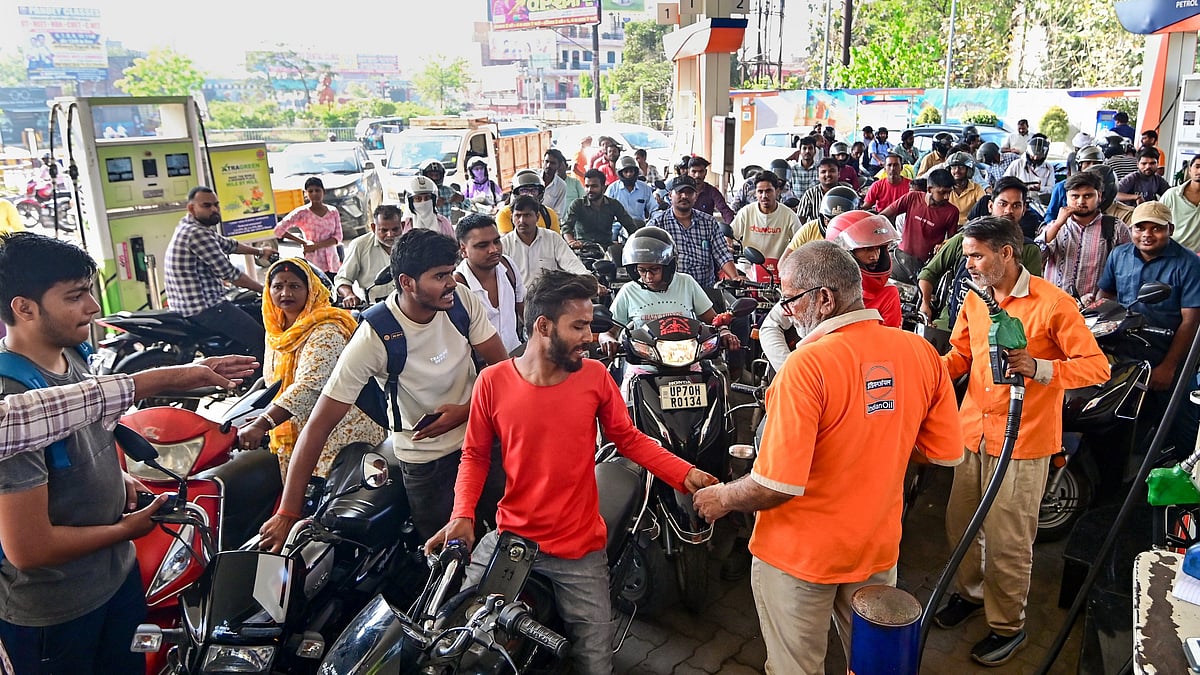
India’s fuel supply challenge, heightened by the situation in the Gulf, has stirred anxiety across cities. The continuing conflict in West Asia, a critical region for global oil supplies, has sent shockwaves through international markets. While the government of India has repeatedly assured citizens that there is no shortage of petrol or diesel, the scenes unfolding across various cities tell a different story.
Officially, the Ministry of Petroleum and Natural Gas maintains that India’s fuel reserves are robust and adequate to meet the current demand. Government spokespersons emphasise that strategic reserves, coupled with diversified import sources, have insulated the country from the worst effects of the West Asia turmoil. “India continues to have stable fuel supplies. There is no cause for panic,” a senior official said at a press briefing. The government has also highlighted increased vigilance against hoarding and black marketing, urging the public to trust official channels and not fall prey to misinformation.
However, for lakhs of people daily life paints a contrasting picture. Long queues at petrol pumps have become a common sight in Mumbai, Delhi, Lucknow, Hyderabad and Bengaluru, among others. Motorists arrive early in the morning—sometimes hours before the pumps open—hoping to secure fuel. In Mumbai’s suburban areas, shopkeepers report a surge in the purchase of diesel for generators, indicating heightened fuel demand amid uncertainty.
In Delhi, commuters narrate their frustration. “Yesterday, I waited for over two hours and still couldn’t fill my tank,” says Ramesh Kumar, a delivery driver who depends on his vehicle for livelihood. “The government says there’s no shortage, but what we see on the ground is very different.” Social media platforms are flooded with images and videos of crowded petrol stations, some showing tense moments as impatient drivers jostle for limited fuel availability.
In cities like Lucknow and Jaipur, people queue up in the early morning just to ensure they don’t get stranded without fuel. Local media reports indicate sporadic rationing in certain areas, with petrol pump attendants limiting the quantity per vehicle to manage the scarce supply.
Analysts point to the complex interplay of factors causing this disconnect. While officially imports have not suffered substantial disruption, logistical challenges—such as delayed shipments, customs hold-ups and uneven regional distribution—have created bottlenecks. The government’s reassurance seems aimed at preventing panic buying, yet the visible strain on infrastructure fuels public distrust.
The crisis underscores the delicate balance India must maintain amid global geopolitical upheavals. The government faces the challenge of transparently communicating realities without triggering alarm, while citizens seek tangible proof of stability amidst tightening nerves. For now, the queues at petrol pumps provide a sobering counterpoint to official narratives, reminding all that in crisis situations, perception can be as impactful as reality.
As the conflict continues, the nation watches closely—not just at the macroeconomic statements from officials, but at the green pumps where everyday life unfolds, waiting for the next drop of fuel to keep India moving.
Join our official telegram channel (@nationalherald) and stay updated with the latest headlines