Nation
Parliamentary panel backs flexible monument buffer zones, sparks conservation concerns
AMASR amendments and revenue reinvestment proposed as critics warn of risks to heritage protection
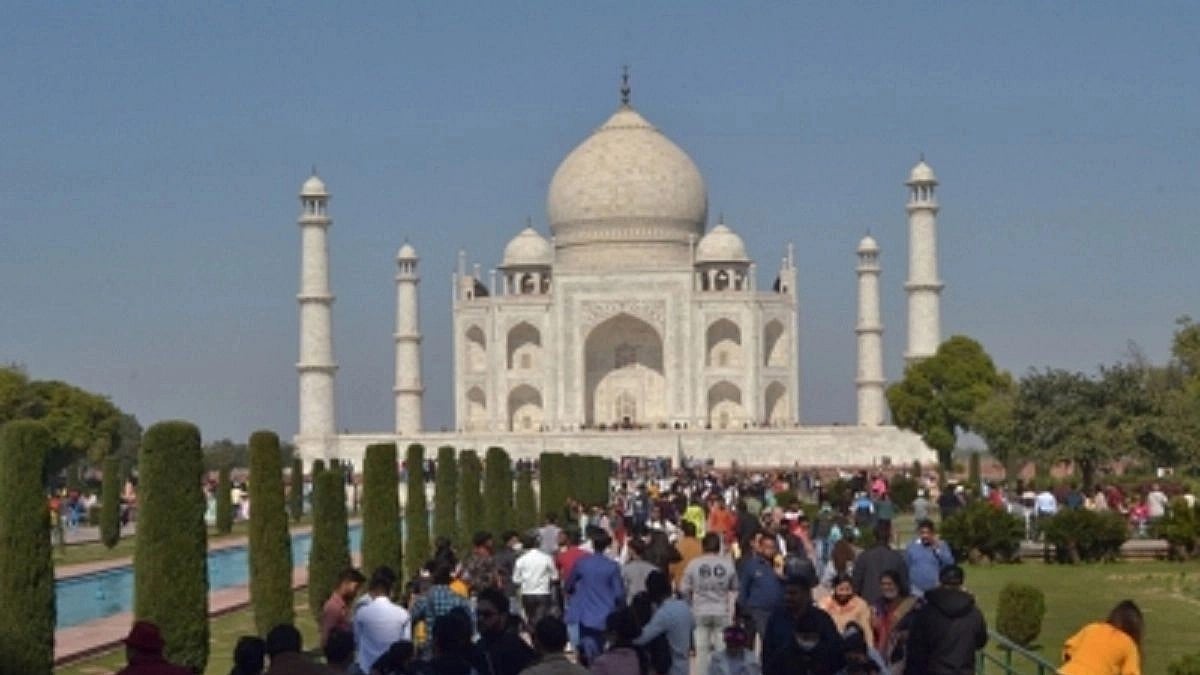
A parliamentary panel has called for the swift passage of amendments to the Ancient Monuments and Archaeological Sites and Remains (AMASR) Act, 1958, advocating more “flexible” buffer zones around protected monuments — a proposal that has triggered concern among conservationists and heritage experts.
The recommendations were made in a report on the Demands for Grants (2026–27) of the Ministry of Culture, tabled in Parliament on Wednesday by the Standing Committee on Transport, Tourism and Culture, chaired by JD(U) MP Sanjay Kumar Jha. The ministry informed the panel that the proposed amendments are ready to be introduced in Parliament.
At present, the law mandates a uniform 100-metre prohibited zone and a 200-metre regulated zone around all monuments protected by the Archaeological Survey of India (ASI), restricting construction and requiring prior approval for repairs or alterations. The proposed changes seek to make these limits site-specific, allowing adjustments based on local conditions.
The panel urged the government to expedite the amendment process, particularly the provisions allowing flexibility in buffer zones. It also recommended that the ASI establish clear standard operating procedures for denotification of sites, with decisions to be made within 90 days of receiving applications.
In addition, the committee pressed for a time-bound mechanism to handle requests for denotification, especially in cases involving essential public infrastructure such as schools and hospitals. It emphasised the need to prioritise staffing at ticketed monuments, noting concerns that several protected sites lack adequate personnel and are vulnerable to misuse.
A key financial recommendation in the report is the creation of a “ring-fenced” mechanism to reinvest part of the approximately ₹365 crore generated annually from ticket sales at centrally protected monuments. Currently, this revenue goes to the government exchequer and is not directly available for conservation or maintenance.
The panel has asked the Ministry of Culture to submit a detailed proposal within six months on earmarking a portion of this revenue for monument upkeep. It also encouraged structured community participation in conservation efforts, drawing on initiatives such as ‘Adopt a Heritage’, and called for guidelines to involve local volunteers and groups in routine maintenance.
The report further highlighted the need for an action plan on underwater archaeology, including expedition timelines, budget allocations, international collaborations and mechanisms for documenting and publicly sharing findings through a digital repository.
However, the proposal to introduce “flexible” buffer zones has ignited a wider debate over the balance between development and heritage conservation.
Supporters of the move argue that the existing one-size-fits-all restrictions have imposed severe constraints on residents living near heritage sites, particularly in densely populated cities such as Delhi, Mumbai and Varanasi. They contend that site-specific regulations would allow more practical urban planning, enabling necessary repairs, housing improvements and infrastructure development without prolonged delays.
Urban planners and some experts also believe that tailored buffer zones could lead to more context-sensitive conservation, rather than rigid enforcement of uniform distances that may not suit every monument.
Critics, however, warn that the proposed flexibility could weaken the protective framework of the AMASR Act. Conservationists fear that reducing buffer zones in high-value urban areas could open the door to real estate development and high-rise construction in close proximity to historically significant sites.
They argue that these zones serve not only to preserve physical structures but also to protect their surrounding cultural landscape, including factors such as groundwater stability, vibration impact and visual integrity.
Concerns have also been raised about enforcement capacity. The committee itself noted that a small fraction of centrally protected monuments have dedicated security personnel, and that the ASI faces staffing shortages. Experts caution that loosening regulations without strengthening monitoring and enforcement mechanisms could lead to increased encroachment and violations.
The issue has also taken on a broader political dimension, reflecting tensions between infrastructure-led development and heritage preservation. Critics allege that easing restrictions without robust safeguards and transparency could disproportionately benefit commercial interests while undermining long-term conservation goals.
In a related report on the Ministry of Tourism, the panel observed that PRASHAD (Pilgrimage Rejuvenation and Spiritual, Heritage Augmentation Drive) projects often face delays due to land issues, administrative complexities and encroachments. It recommended stricter pre-sanction checks, including clear land titles and mandatory approvals from relevant agencies.
As the government prepares to move forward with the proposed amendments, the debate over “flexibility” versus protection is expected to intensify, raising fundamental questions about how India balances development needs with the preservation of its cultural heritage.
With PTI inputs
Join our official telegram channel (@nationalherald) and stay updated with the latest headlines