Nation
Press bodies condemn detention of journalists at Delhi protests, seek probe
Journalists from The Quint, The Wire, Scroll, Reporter TV, Navbharat Times and Newslaundry are among those reportedly detained
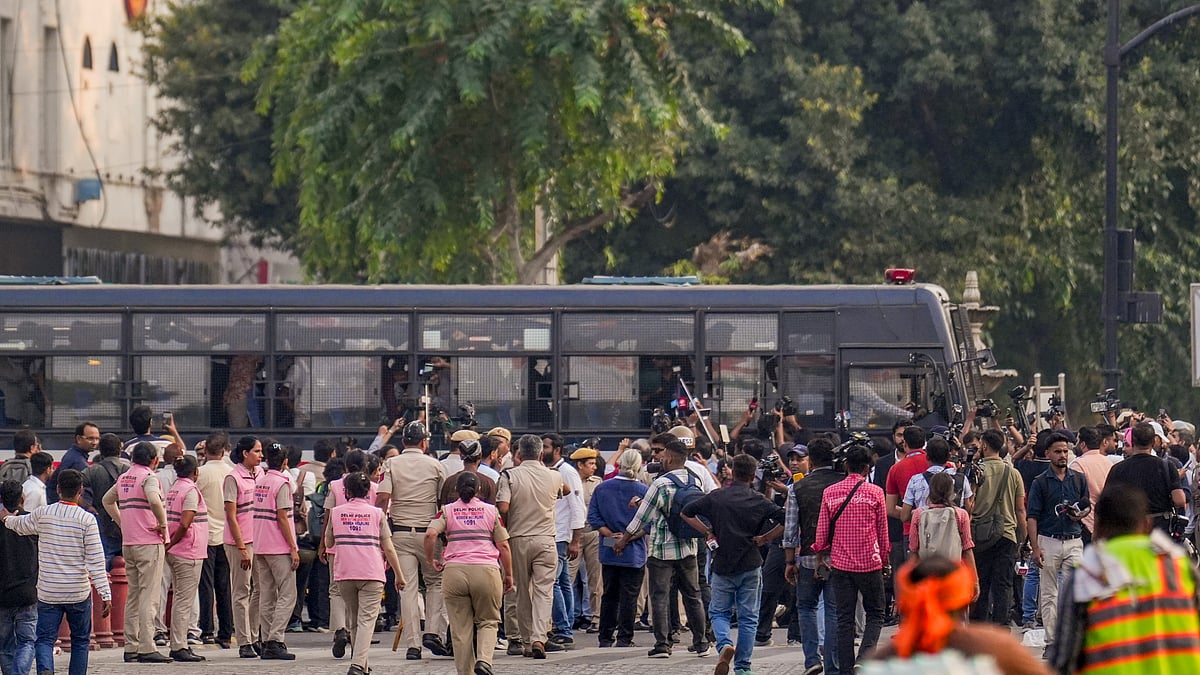
Four press bodies condemned the detention and alleged harassment of journalists covering Delhi protests demanding CEC Gyanesh Kumar’s resignation
They alleged police seized reporters’ phones and equipment, questioning restrictions based on PIB accreditation
The organisations demanded journalists’ release, a public apology, an inquiry and assurances against future harassment, criticising heavy security and internet restrictions
Four journalists’ organisations, including the Press Club of India (PCI) and the Indian Women’s Press Corps (IWPC), have condemned the detention and alleged harassment of journalists covering protests in New Delhi demanding the resignation of Chief Election Commissioner Gyanesh Kumar. The organisations have demanded the immediate release of all detained journalists, the return of their seized equipment, a public apology from Delhi Police and an inquiry into the incident.
In a joint statement issued on Saturday, the four organisations alleged that several journalists were detained despite displaying their press identity cards. They also claimed that police personnel seized the phones and other reporting equipment of some journalists covering the protests.
The statement was jointly issued by the PCI, IWPC, Delhi Union of Journalists (DUJ) and the Delhi unit of the Kerala Union of Working Journalists (KUWJ).
According to the organisations, Delhi Police detained hundreds of protesters who had gathered in the national capital on Saturday to demand Kumar’s resignation. Journalists reporting on the police action were also allegedly bundled into buses and taken to detention facilities, including Chhatrasal Stadium and Chanakyapuri police station.
Journalists from The Quint, The Wire, Scroll, Reporter TV, Navbharat Times and Newslaundry were among those reportedly detained. Senior journalist Paranjoy Guha Thakurta was also among those taken into custody.
“The reporters said they were detained while filming detentions, despite prominently displaying their press cards,” the joint statement said.
The organisations further alleged that police personnel refused to recognise the detained reporters as journalists. According to the statement, some officers reportedly dismissed their claims by saying, “Everybody claims to be a journalist these days.”
They also said they had received complaints that official reporting phones belonging to some detained journalists were snatched and seized during the police action.
Describing the detentions as a “blatant attack on the freedom of press”, the four organisations questioned Delhi Police’s reported position that only journalists accredited by the Press Information Bureau (PIB) would be permitted to cover the protests.
They argued that press freedom and the right to report cannot be restricted to journalists holding PIB accreditation, pointing out that many digital and independent media organisations operate without such credentials.
“Press freedom in India cannot be conditional on PIB accreditation. A large section of digital and independent media does not have PIB cards, yet they are recognised press under the law,” the statement said.
The organisations also said they had submitted a joint memorandum to the Delhi Police commissioner earlier in the week, raising concerns about the treatment of journalists covering protests and seeking safeguards for their professional work.
However, they alleged that the police had disregarded the suggestions made in the memorandum.
The four press bodies called for the immediate and unconditional release of all detained journalists and the return of their phones and other seized equipment.
They also demanded a public apology from Delhi Police and an inquiry into the conduct of senior police officers who allegedly ordered the detention of journalists even after being shown their press identity cards.
In addition, the organisations sought a clear assurance from the police that journalists would not be prevented from covering protests or subjected to intimidation and interference while performing their professional duties.
The joint statement also raised concerns over the extensive security arrangements put in place in the national capital during the protests.
The organisations alleged that around 22,000 police and paramilitary personnel had been deployed, while metro stations were closed and internet services shut down as part of measures to prevent the demonstrations.
Criticising the scale of the restrictions, the press bodies argued that the measures, combined with the detention of journalists, undermined the ability of the media to report on public demonstrations and institutional accountability.
“Preventing journalists from doing their job, detaining them without reason, and creating a fortress-like situation in the capital with 22,000 police and paramilitary, closed metro stations and unprecedented internet shutdowns, to stop peaceful questioning of institutions is reminiscent of a fascist state,” the organisations said.
Expressing solidarity with the detained journalists, the four bodies reiterated that members of the press must be allowed to carry out their professional responsibilities without intimidation, obstruction or interference.
They urged the authorities to address the allegations, return the seized reporting equipment and ensure that journalists can independently cover protests and other public events, regardless of their accreditation status.
With PTI inputs
Join our official telegram channel (@nationalherald) and stay updated with the latest headlines