Nation
Rahul Gandhi backs Great Nicobar tribal concerns, vows to raise issue in Parliament
Opposition leader meets island representatives opposing mega project, promises on-ground visit amid political and environmental debate
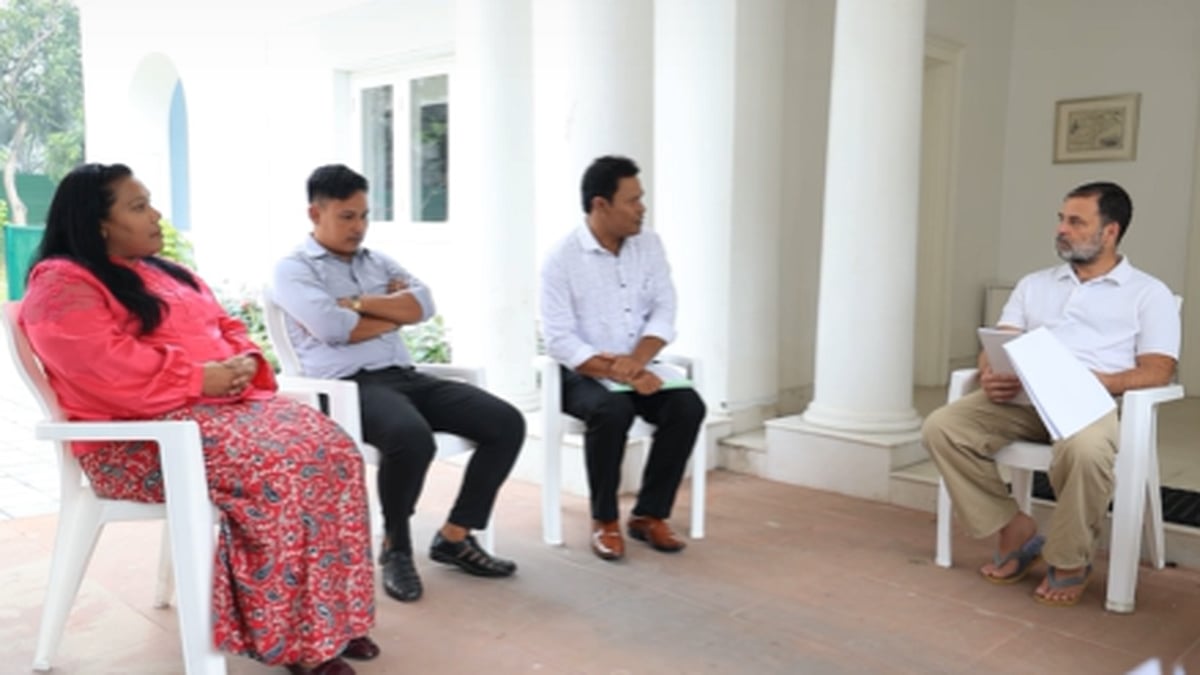
Leader of the Opposition in the Lok Sabha, Rahul Gandhi, has expressed support for tribal communities from Great Nicobar Island who are opposing the proposed mega infrastructure project, pledging to raise their concerns in Parliament and visit the region to assess the situation firsthand.
In a statement shared alongside a video of his interaction with a delegation of tribal leaders and members of the Adivasi Congress, Gandhi said the issue extended beyond development, touching on identity, dignity and the rights of indigenous communities.
He said the discussions made it clear that the resistance was not merely against a project but rooted in fears over displacement and loss of traditional lands. According to Gandhi, the delegation highlighted that more than 800 families, including those from Particularly Vulnerable Tribal Groups, stand to be affected.
“These communities have lived in harmony with nature for generations, safeguarding the fragile ecosystem long before any external interest emerged,” he said, adding that they now feel increasingly marginalised.
Gandhi also claimed that locals raised concerns about who stands to benefit from the project, alleging that large corporate interests could gain control over key infrastructure and resources, while indigenous populations are left struggling.
Alongside these concerns, the delegation pointed to ongoing challenges such as inadequate access to water, roads, education and employment. Gandhi alleged that decisions regarding the project were being made without proper consultation or consent from affected communities.
“I will stand with them, raise their issues in Parliament, and visit the islands to understand the reality on the ground,” he said, adding that development should empower people rather than displace them.
The project, however, has already cleared a significant legal hurdle. A six-member bench of the National Green Tribunal recently dismissed petitions challenging the environmental clearance, stating that sufficient safeguards had been incorporated.
The issue has also drawn sharp political reactions. Congress Parliamentary Party chairperson Sonia Gandhi had earlier criticised the initiative, describing it as a “planned misadventure” that threatens the survival of indigenous communities and undermines due process.
The government has rejected these claims. Environment Minister Bhupender Yadav has maintained that all statutory clearances were duly obtained and defended the project as essential for national development.
The Great Nicobar project continues to spark a wider debate, balancing strategic and economic priorities against environmental protection and the rights of indigenous populations.
The project — formally known as the Great Nicobar Island Development Project — is being spearheaded by the NITI Aayog and implemented by the Andaman and Nicobar Islands Integrated Development Corporation. It envisions transforming the southernmost island of the Andaman and Nicobar archipelago into a strategic transshipment port, greenfield international airport, power plant and township, with an estimated investment exceeding Rs 70,000 crore.
Critics, however, have consistently flagged concerns over large-scale forest diversion — including in ecologically fragile coastal and rainforest zones — potential damage to coral reefs and nesting habitats, and the project’s impact on the island’s indigenous communities, particularly the Shompen tribe, classified as a Particularly Vulnerable Tribal Group (PVTG).
With PTI inputs
Join our official telegram channel (@nationalherald) and stay updated with the latest headlines