Nation
SC seeks response on plea for rail quota and concessions for acid attack survivors
Centre and rail authorities asked to explain exclusion of victims from disability travel benefits
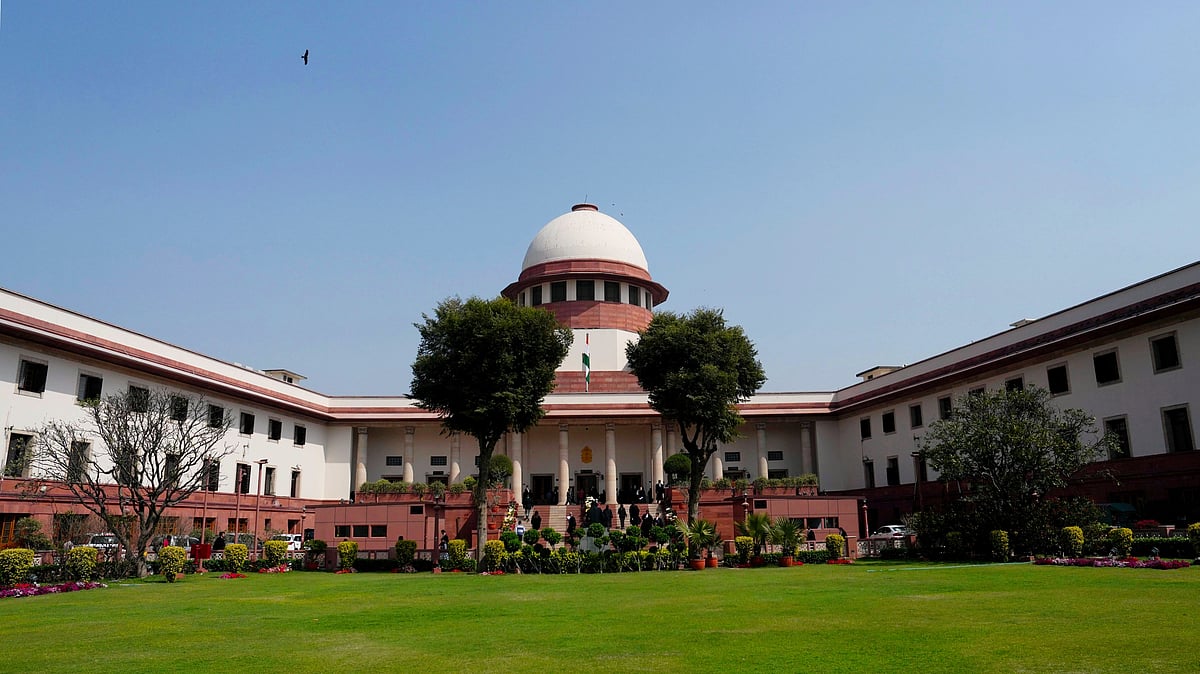
The Supreme Court on Monday agreed to examine a public interest petition seeking a separate reservation quota and concessional railway fares for acid attack survivors, who are currently excluded from several travel benefits available to persons with disabilities.
A bench headed by Chief Justice of India Surya Kant issued notices to the Ministry of Railways, the Department of Empowerment of Persons with Disabilities, the National Commission for Women and the Indian Railway Catering and Tourism Corporation (IRCTC), seeking their responses to the plea.
The petition, filed by the Atijeevan Society under Article 32 of the Constitution, argues that acid attack survivors, though recognised as persons with specified disabilities under the Rights of Persons with Disabilities Act, 2016, are not eligible for concessional fares under the railways’ existing coaching tariff rules.
It also points out that they are excluded from the earmarked reservation quota provided to other categories of persons with disabilities.
According to the plea, acid attack survivors often suffer permanent facial and bodily disfigurement, including loss of eyesight and severe physical impairment. Many require repeated reconstructive surgeries and specialised treatment, typically available only at a limited number of tertiary hospitals in major cities, making long-distance travel unavoidable.
The petition states that due to the nature of their injuries and post-surgical conditions, survivors frequently need to travel in air-conditioned coaches, but the cost of such tickets is often prohibitive. It argues that denying them concessional fares is arbitrary and discriminatory, particularly when similar benefits are extended to other disability categories.
The plea further contends that the absence of a specific quota effectively denies acid attack survivors access to reserved seats, rendering the policy unreasonable and in violation of the constitutional guarantee of equality under Article 14.
Citing provisions of the Rights of Persons with Disabilities Act, the petitioner also emphasised that the government has a statutory obligation to promote affordable personal mobility for persons with disabilities through incentives and concessions.
It argued that the continued exclusion of acid attack survivors undermines their right to live with dignity, which is protected under Article 21 of the Constitution.
The court has sought responses from the concerned authorities before taking the matter up for further hearing.
With IANS inputs
Join our official telegram channel (@nationalherald) and stay updated with the latest headlines