Nation
Strobe Talbott, who helped repair US–India ties after Pokhran tests, dies at 80
The former US deputy secretary of state held 14 rounds of talks with Jaswant Singh, paving the way for Bill Clinton’s landmark visit to India in 2000
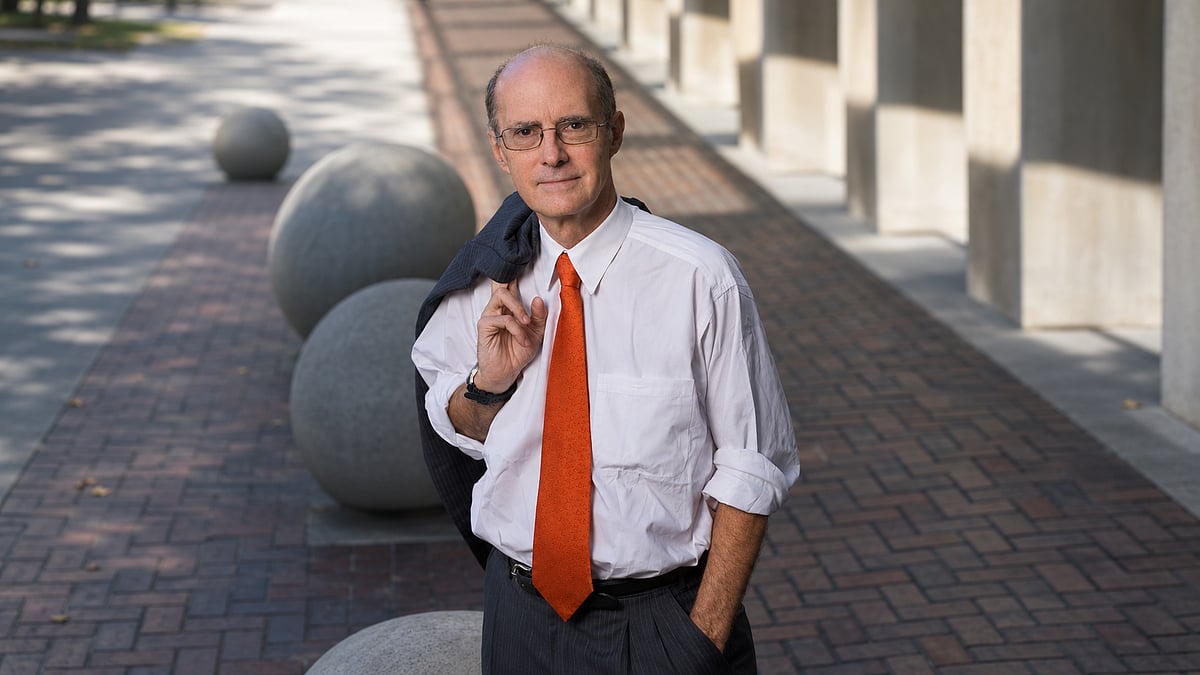
Talbott died at his home in East Hampton, New York, on Thursday after a long illness, his son said.
His talks with Singh helped rebuild relations after Washington imposed sanctions over India’s 1998 nuclear tests and laid the groundwork for a later civil nuclear deal.
A former Time journalist, Talbott helped shape the Clinton administration’s policy towards Russia and went on to lead the Brookings Institution.
Strobe Talbott, the former US deputy secretary of state who helped restore relations with India after the 1998 Pokhran nuclear tests, died on Thursday at his home in East Hampton, New York. He was 80. His son, Devin Talbott, said he had been ill for a long time.
Washington imposed sanctions on New Delhi after India conducted five nuclear tests on 11 and 13 May 1998. Talbott and Jaswant Singh, who became India’s external affairs minister later that year, met 14 times in seven countries across three continents to address the nuclear dispute and rebuild ties.
The talks paved the way for Bill Clinton’s visit to India in 2000, the first by a US president in 22 years. They also helped establish the relationship on which the two countries later built their civil nuclear agreement.
During the discussions, Talbott pressed India to sign the Comprehensive Nuclear-Test-Ban Treaty, stop producing fissile material, show restraint in deploying missiles and warheads, tighten export controls and resume talks with Pakistan. He also sought a timetable for progress. Singh resisted those demands while keeping the dialogue going.
In his book Engaging India: Diplomacy, Democracy and the Bomb, Talbott wrote that India had used the talks to demonstrate its resolve under US pressure. He concluded that Singh had come closer to achieving his objectives than he had to achieving his own.
Born in Dayton, Ohio, in 1946, Talbott covered Soviet–American relations for Time, where he served as Washington bureau chief and wrote a foreign affairs column. As Clinton’s deputy secretary of state, he helped shape US policy towards Russia and other former Soviet republics. He later served as president of the Brookings Institution from 2002 to 2017 and chaired the State Department’s Foreign Affairs Policy Board.
With PTI inputs
Join our official telegram channel (@nationalherald) and stay updated with the latest headlines