Nation
Supreme Court declines plea to make voting compulsory
Bench says mandatory voting and penalties fall within policy domain, not judicial intervention
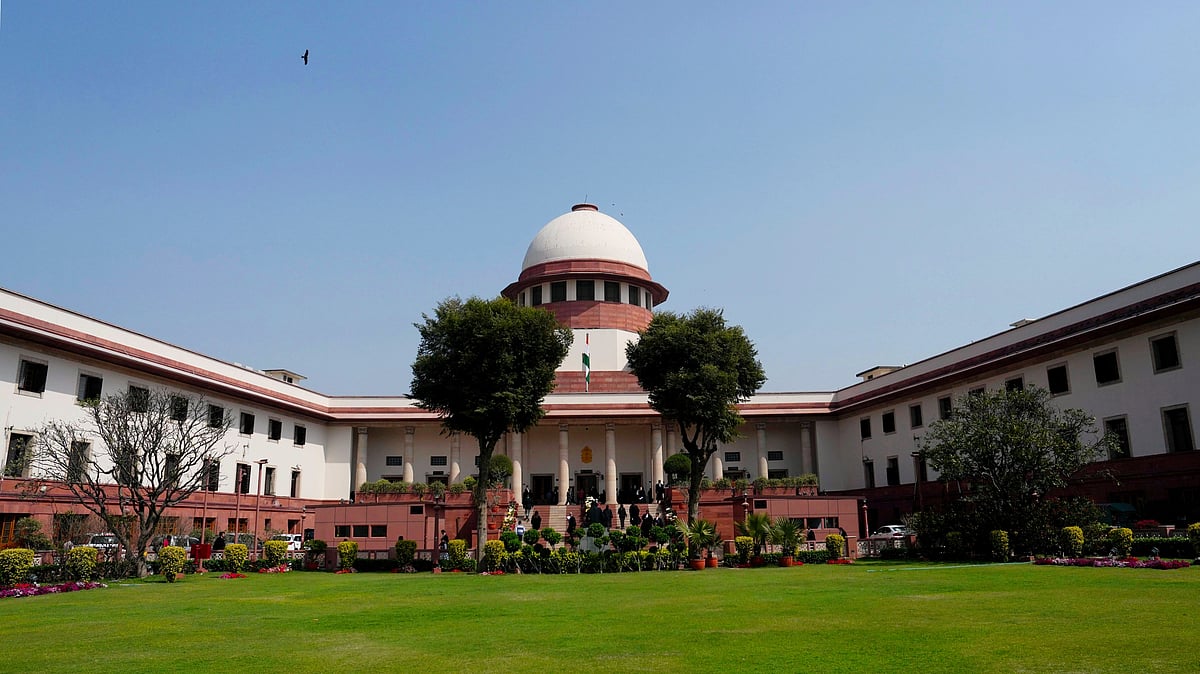
The Supreme Court of India on Thursday refused to entertain a public interest litigation seeking to make voting compulsory, observing that such matters fall squarely within the domain of policy and are beyond the scope of judicial direction.
A bench led by Chief Justice of India Surya Kant, along with justices Joymalya Bagchi and Vipul M. Pancholi, advised the petitioner to raise the issue with relevant stakeholders instead.
The plea, filed by Ajay Goel, sought directions to make voting mandatory and to introduce penalties for those who deliberately abstain. It also proposed restricting access to certain government benefits for non-voters.
During the hearing, the CJI emphasised that democracy functions on awareness and voluntary participation rather than compulsion.
“In a country governed by the rule of law and democratic values, people are expected to vote. But if they choose not to, we cannot force them. What is needed is awareness,” he observed.
The bench questioned the practicality and fairness of enforcing such a mandate, particularly the suggestion of penal action against non-voters. It raised concerns over how such measures would be implemented, including whether citizens could be penalised simply for choosing not to vote.
The judges also highlighted logistical and social challenges, noting that many individuals, including those in essential services, may be unable to cast their vote on polling day due to professional obligations.
Further, the court pointed to the potential impact on economically vulnerable groups, observing that daily wage earners might prioritise earning a livelihood over participating in elections.
The bench reiterated that issues relating to compulsory voting and associated penalties involve policy considerations and are best addressed by the legislature or appropriate authorities, rather than through judicial intervention.
With IANS inputs
Join our official telegram channel (@nationalherald) and stay updated with the latest headlines