Nation
Survey in Karnataka backing EVMs triggers credibility row over NGO’s proximity to PMO
Congress alleges conflict of interest in survey citing overwhelming trust in voting machines
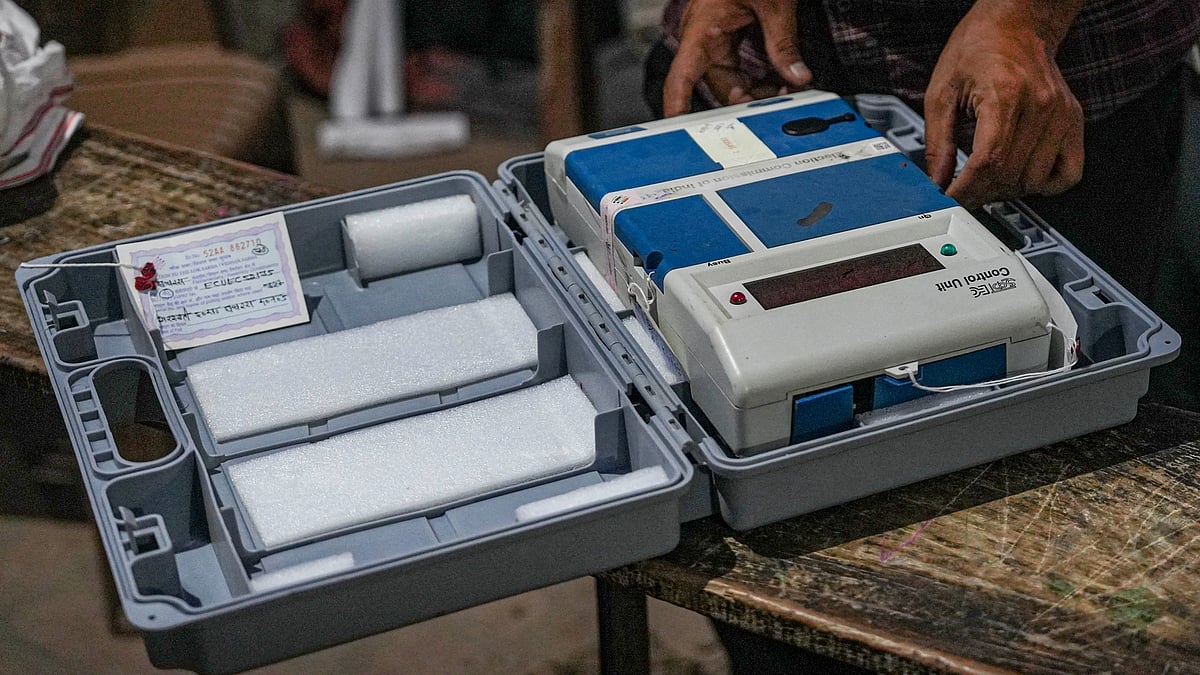
A statewide survey projecting strong public confidence in electronic voting machines (EVMs) has come under scrutiny in Karnataka over the identity and affiliations of the agency that conducted it, even as it triggered a fresh political slugfest between the Congress and the Bharatiya Janata Party (BJP).
Deccan Herald reported that the controversy centres on a Knowledge–Attitude–Practice survey commissioned under the Election Commission’s voter awareness programme, which was carried out in May 2025 and later highlighted in a lead report claiming that most citizens trusted EVMs and the electoral process. The survey covered 5,100 respondents across 102 Assembly constituencies spanning Bengaluru, Belagavi, Kalaburagi and Mysuru divisions.
While the findings suggested “overwhelming public trust” in EVMs, with around 84 per cent of respondents expressing confidence in the machines and describing the elections as free and fair, critics have questioned the lack of disclosure around the agency behind the exercise.
The survey was conducted by the Karnataka Monitoring and Evaluation Authority with the involvement of a non-governmental organisation whose founder, according to Congress leaders, now works closely with the Prime Minister’s Office and has authored a book praising Prime Minister Narendra Modi’s leadership.
This, they argue, casts doubt on the neutrality of the study, particularly as it predates Congress leader Rahul Gandhi’s public articulation of “vote chori” allegations in August 2025.
The BJP, however, has used the survey to counter Opposition claims questioning the credibility of India’s electoral system. Party spokesperson Shehzad Poonawalla said the findings exposed what he described as a pattern of misinformation by Rahul Gandhi, accusing him of trusting the Election Commission only when election results favoured the Congress.
He said the Congress had accepted poll outcomes without complaint in states it won, but routinely attacked institutions after defeats, adding that the data, rather than the process, was being selectively questioned.
The Congress responded by sharpening its attack on the survey’s origins. Karnataka IT Minister Priyank Kharge said the study was neither sanctioned nor ordered by the state government and questioned why an external organisation with alleged proximity to the Centre was involved.
Kharge suggested that the Election Commission had sought assistance from an NGO with clear ideological leanings, arguing that this undermined the credibility of the findings. “What do you expect when the people associated with the survey have close links with the PMO?” he said, according to media reports.
He also reiterated allegations of voter list manipulation in parts of Karnataka, particularly Kalaburagi and Aland, echoing Rahul Gandhi’s earlier claims that Opposition supporters were selectively removed from electoral rolls ahead of the 2023 Assembly elections and the 2024 Lok Sabha polls, charges denied by the Election Commission and the BJP.
With the debate now shifting from the survey’s conclusions to its provenance, the episode has added another layer to the ongoing political battle over electoral trust, institutional neutrality and transparency in Karnataka.
With agency inputs
Join our official telegram channel (@nationalherald) and stay updated with the latest headlines