Nation
US suspends eight tech firms from PERM: What it means for Indian professionals
Restrictions halt a key stage of employer-sponsored green card applications, creating uncertainty for workers seeking permanent residency
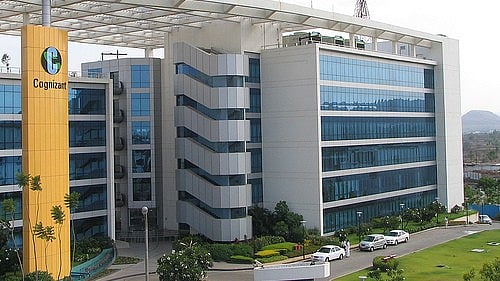
The US government has suspended eight major technology and IT services companies from the Permanent Labour Certification programme, commonly known as PERM. The decision affects a route used by employers to sponsor foreign workers for permanent residency, raising concerns among Indian professionals working in the United States.
Which companies are affected?
The eight companies are Tata Consultancy Services (TCS), Infosys, Wipro, HCL Technologies, Cognizant, Capgemini, Microsoft and Adobe.
The US Department of Labor will neither accept new PERM applications involving these firms nor process their pending applications while the suspension applies.
What is PERM and why does it matter?
PERM is the labour certification stage required for many employer-sponsored green card applications. Before proceeding, an employer must demonstrate that there are insufficient qualified, willing and available American workers for the position. It must also establish that hiring a foreign worker will not adversely affect the wages and working conditions of comparable US workers.
Put simply, it requires an employer to show that recruiting a foreign professional to fill a particular job will not disadvantage American workers. Clearing this stage allows the employer to proceed with the relevant employment-based immigration petition; it does not itself grant a green card.
Why has the US government taken this action?
The Trump administration has cited suspected abuse of employment-based immigration programmes and said the action is intended to protect American jobs.
Vice-president J.D. Vance criticised companies for seeking foreign workers while cutting their American workforce. Labour secretary Keith Sonderling said Microsoft and Adobe were facing multiple federal investigations. These are the administration’s stated reasons for the suspensions, rather than findings establishing wrongdoing by every company named.
How could Indian professionals be affected?
Employees whose green card plans depend on a new or pending PERM application through one of these companies could face delays. Their employers cannot move those applications through the labour certification stage while the restrictions remain in force.
This could disrupt plans for permanent settlement and create additional uncertainty for professionals already navigating the employment-based immigration system. Indian workers are particularly exposed because they account for a large share of H-1B beneficiaries and form an important part of the US technology workforce.
Does the suspension cancel existing H-1B visas or green cards?
No. The action concerns the companies’ participation in the PERM process. It does not automatically revoke employees’ existing H-1B visas or green cards.
The immediate impact falls on workers who still need labour certification for their permanent residency applications.
What about workers whose PERM applications have already been approved?
They are in a different position from those awaiting certification. The announced suspension does not automatically invalidate existing PERM approvals. The implications for an individual worker will therefore depend on how far their application has progressed.
What have the companies said?
TCS said on Friday that it did not expect the suspension to affect its workforce strategy or customer engagements. Its PERM applications had been in single digits over the past two years, the company said.
TCS added that its US hiring strategy focused on local talent and reiterated plans to recruit another 15,000 people in the country over the next five years.
With agency inputs
Join our official telegram channel (@nationalherald) and stay updated with the latest headlines