Nation
Vehicular emissions biggest source of air pollution in Delhi-NCR: CAQM to SC
Commission flags PM2.5 burden, proposes 15 long-term measures including vehicle phase-out, EV push and public transport expansion
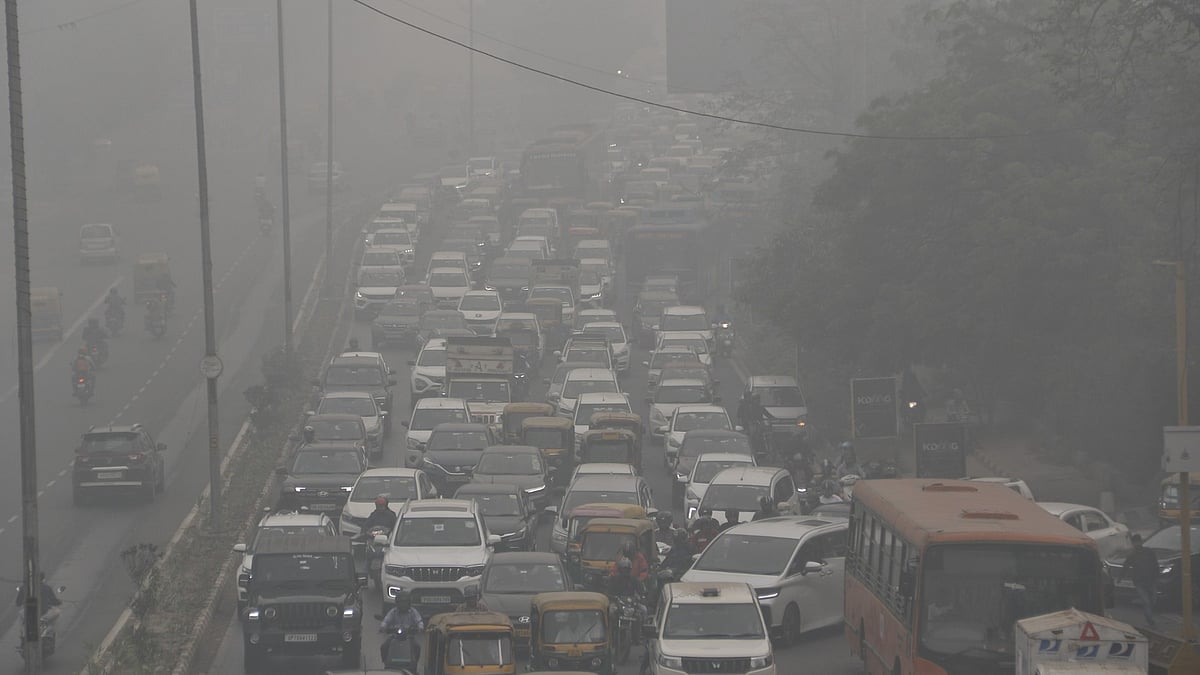
The CAQM (Commission for Air Quality Management) on Wednesday told the Supreme Court of India that vehicular pollution is the single largest contributor to air pollution in Delhi-NCR, and placed before the court a set of 15 long-term measures to arrest the deteriorating AQI (Air Quality Index).
Appearing for CAQM, Additional Solicitor General Aishwarya Bhati informed a Bench comprising Chief Justice of India Surya Kant, Justice Joymalya Bagchi and Justice Vipul M. Pancholi that a meta-analysis of studies conducted between 2015 and 2025 shows PM2.5 pollution in Delhi arises from a combination of primary emissions and secondary particulate formation, largely originating from sources within the National Capital Region (NCR).
Bhati said vehicular emissions account for the highest share of this pollution load, underscoring the need for sustained structural interventions rather than short-term emergency measures.
The CAQM recommended that the proposed steps be implemented in a phased and time-bound manner. These include phasing out polluting vehicles across Delhi-NCR based on emission potential and strengthening the PUC 2.0 regime through enhanced monitoring of on-road vehicles using remote sensing devices.
To reduce dependence on private vehicles, the commission proposed expansion of the Regional Rail Transport and Metro Rail networks with additional lines and stations, along with the development of multi-modal transport hubs connecting Metro systems with the Regional Rapid Transit System (RRTS). It also stressed the need for robust last-mile connectivity supported by real-time passenger information systems and location-based tracking of public transport.
On clean mobility, CAQM suggested a review of electric vehicle policies in Delhi and NCR states to accelerate the transition to zero tailpipe-emission vehicles. This includes higher incentives for scrapping old vehicles, rapid expansion of EV charging infrastructure — including swappable battery stations — and permitting retrofitting of existing vehicles to EV standards certified by ARAI and ICAT.
The commission further recommended augmenting city bus services through electric and CNG buses in line with population-based benchmarks of the Ministry of Housing and Urban Affairs, and developing a comprehensive CNG/LNG fuelling network in the NCR and on highways to shift long-haul trucking and commercial vehicles to cleaner fuels.
To ease congestion and curb emissions at entry points, CAQM proposed installation of ANPR cameras and automated RFID systems to enable multi-lane free-flow toll and cess collection at Delhi’s borders. It also called for integrated traffic management systems in Delhi and major NCR cities, including Noida, Greater Noida, Ghaziabad, Meerut, Gurugram, Faridabad and Sonipat.
Other measures include implementation of parking management plans, imposition of higher environmental protection charges, and intensified enforcement through technology-driven tools such as AI-based surveillance, remote sensing and automated number plate recognition.
The court is hearing a batch of matters related to air pollution in Delhi-NCR and has been seeking long-term, sustainable solutions beyond seasonal restrictions.
Join our official telegram channel (@nationalherald) and stay updated with the latest headlines