POLITICS
Anti-Goonda Act comes into force in Bengal amid Opposition resistance
TMC, Congress and Left leaders warn of government's sweeping punitive powers as law comes into force on Monday
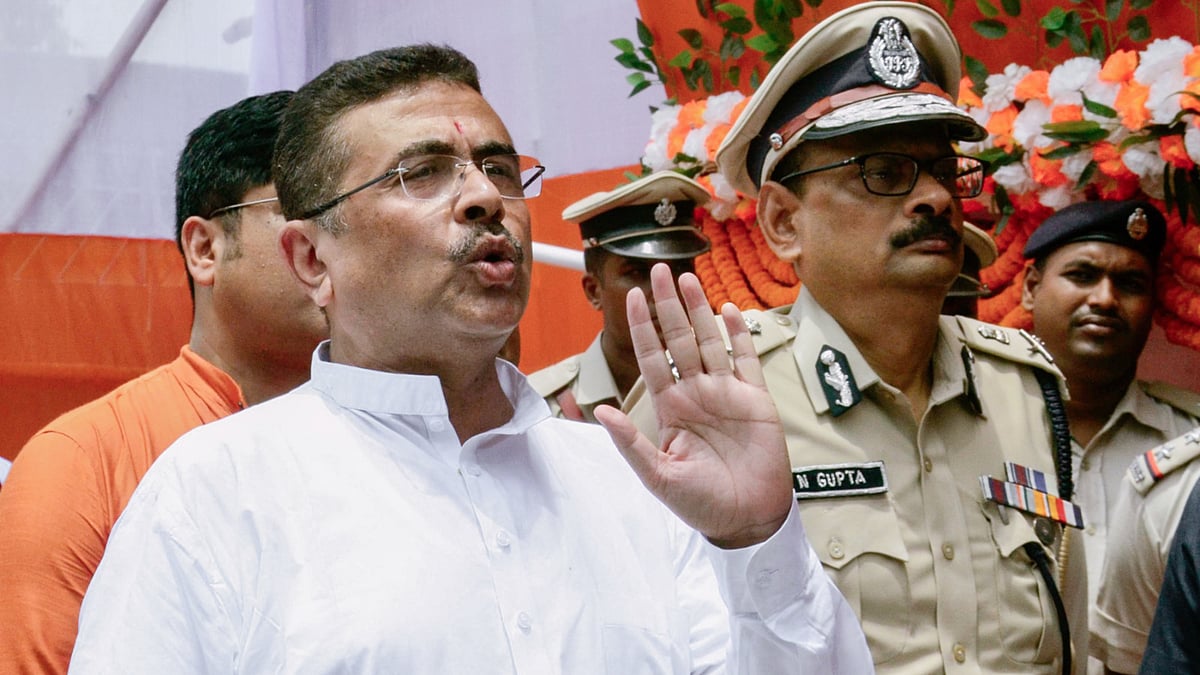
From Monday, 13 July, the West Bengal Public Safety and Control of Anti-Social Activities Act, 2026, widely known as the Anti-Goonda Act, will come into force across the state. Even before its implementation, the legislation has triggered a fierce political row, with leaders from the Trinamool Congress (TMC), Congress and the Left warning that it could threaten civil liberties and democratic rights.
Speaking at a preparatory meeting for the 21 July Martyrs' Day programme, TMC MP and senior lawyer Kalyan Banerjee launched a sharp attack on the government. "Those who have engaged in hooliganism themselves are the ones introducing an anti-goonda law today," he said.
He also announced that he would provide free legal assistance to TMC workers for the next year. Claiming that around 14,000 party workers and supporters had been booked in post-election cases, he said, "For the next year, I will devote my time to fighting legal cases for Trinamool workers, prioritising this over any other professional work, and I will perform this duty without charging any fee."
Senior Congress leader Adhir Ranjan Chowdhury strongly opposed the legislation and vowed to challenge it in court. "We opposed this Bill before and we oppose it now. We will go to the high court and Supreme Court if needed. This is a draconian law and should not be implemented. This law will take away the rights of the people," he said.
He also claimed that the Supreme Court had intervened in a similar law in Uttar Pradesh and expressed confidence that the judiciary would examine the West Bengal legislation as well.
Left Front leader Sujan Chakraborty questioned the constitutional validity of the Act. "How can one person go to jail for a year without trial and without any legal representation? I am pretty sure it violates the Fundamental Rights," he said.
He further warned that governments often use such laws to silence dissent. "If any person stands to protest against the government's autocratic nature, they will be termed a 'goonda' or 'troublemaker'. We will fight this," he added.
The criticism comes as the government prepares to enforce one of the toughest public order laws introduced in the state in recent years. Passed by the Assembly with 176 votes in favour and 41 against, the Act empowers the government to order the preventive detention of a person for up to 12 months if authorities believe they are involved in, or are likely to engage in, anti-social activities.
The law authorises the state government, police commissioner, district magistrates and authorised senior police officers to issue detention orders. It also permits searches without a warrant, seizure of property believed to be linked to anti-social activities, confiscation of assets allegedly used to damage public or private property, and orders directing individuals to leave a district if their presence is considered a threat to public order.
The Act broadly defines anti-social activities to include organised crime, extortion, land grabbing, illegal mining, vandalism, intimidation, obstruction of business, and damage to public or private property. All offences under the Act are cognisable and non-bailable.
The government argues that existing criminal laws have failed to tackle organised crime, syndicates and political violence. It says the legislation is intended to prevent crime before it occurs and protect ordinary citizens, businesses and public property.
Critics, however, fear the law grants sweeping powers to the executive with limited judicial oversight. A person may be detained even without a charge sheet if authorities believe there is sufficient intelligence against them. Although cases are reviewed by an advisory board headed by a serving or former high court judge, detainees generally cannot be represented by a lawyer before the board unless special permission is granted. The government is also permitted to withhold parts of the evidence if disclosing it could reveal confidential sources or compromise public safety.
Social activist Sujata Bhadra said, "Since the definition of 'anti-social activity' is broad, we argue that peaceful protesters, political opponents or ordinary citizens caught in disputes could face detention without a criminal conviction. A person wrongly detained could lose employment, suffer reputational damage and remain in custody for months before their case is reviewed."
Senior criminal lawyer Swadesh Taral said, "Legal experts are also likely to examine whether provisions restricting access to legal representation and allowing preventive detention without trial are compatible with constitutional guarantees of personal liberty, due process and equality before the law."
Another contentious provision shields officials from legal proceedings for actions taken in 'good faith', raising questions about accountability if the law is misused.
Join our official telegram channel (@nationalherald) and stay updated with the latest headlines