POLITICS
Bengal SIR: ECI to seek explanations from BLOs on doubtful cases in draft voters’ list
Draft voters’ list published on 16 Dec flagged around 1.4 crore entries as “doubtful”, prompting ECI to seek explanations for their inclusion
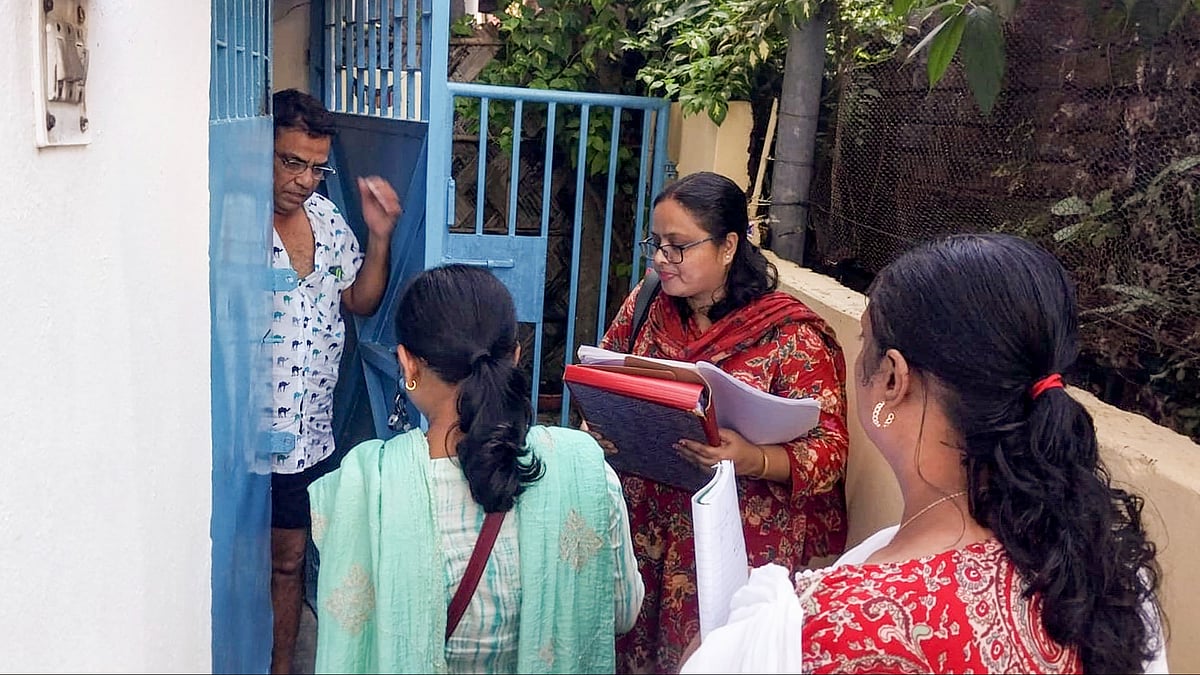
The Election Commission of India (ECI) has set its sights on a massive exercise of scrutiny in West Bengal, summoning written explanations from booth-level officers (BLOs) involved in the ongoing Special Intensive Revision (SIR) of the voters’ list.
The draft voters’ list, published on 16 December, has revealed around 1.4 crore entries flagged as “doubtful”, prompting the ECI to seek clarity on the logic behind their inclusion.
Insiders from the office of the chief electoral officer (CEO), West Bengal, revealed that the BLOs will have to justify why certain names were first recommended for the draft list and subsequently retained for the final voters’ list, slated for publication on 14 February 2026. Based on these explanations, the ECI will determine which cases require further scrutiny in hearings on claims and objections, expected to commence by 27 December.
The anomalies are as unusual as they are intriguing. Some voters, now aged 45 or above, were mysteriously absent from the 2002 voters’ list, despite being of eligible age back then, and had to rely on “progeny mapping” to secure their place in the current draft. “The last SIR in West Bengal was conducted in 2002. Voters who were 18 or older at that time should have been listed then. Their omission raises questions about past enrolment practices,” a CEO insider explained.
Other cases border on the extraordinary: voters who reportedly became fathers at the tender age of 15 — or in one instance, as young as five — and those who became grandfathers by the age of 40, defying conventional timelines of life itself. Adding to the intrigue are entries where both parents share identical names, further clouding the authenticity of the data.
As the final voters’ list prepares to take its definitive form in February, the ECI’s meticulous scrutiny promises to shed light on these anomalies, laying the groundwork for the assembly elections in West Bengal next year. In the meantime, the BLOs’ written explanations will determine which of these extraordinary cases require further hearings, as the state navigates the delicate intersection of bureaucracy, history, and the democratic process.
With IANS inputs
Join our official telegram channel (@nationalherald) and stay updated with the latest headlines