POLITICS
Congress attacks govt on E20 rollout, says motivations clearly not environmental
Opposition party says sustainable fuel policy must assess the full ecological impact
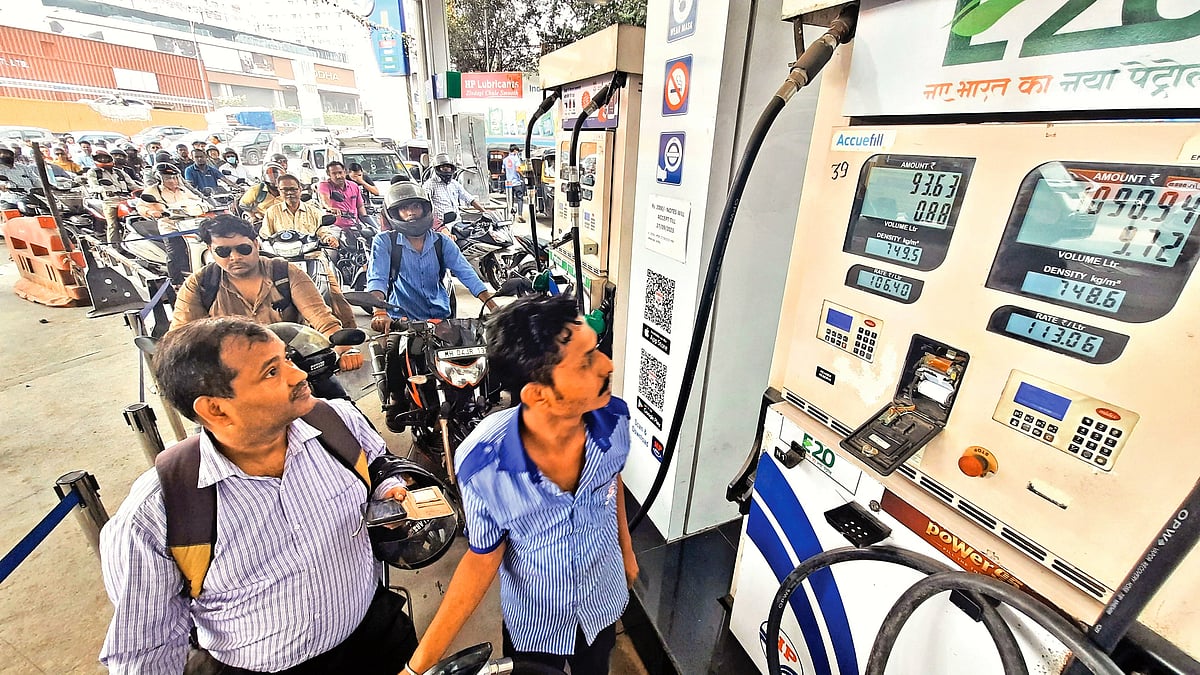
The political battle over the government’s nationwide E20 fuel rollout intensified on Thursday, with the Congress stepping up its criticism and questioning the environmental claims behind the move. The Opposition party argued that a truly sustainable fuel policy must look beyond emissions and examine the complete ecological footprint of the fuel being promoted.
Congress general secretary Jairam Ramesh accused the Modi government of presenting the accelerated adoption of E20 petrol — a blend containing 20 per cent ethanol — as a milestone in the transition towards cleaner energy and reduced dependence on imported oil. However, he said, a broader assessment must also consider its impact on India’s water resources, agricultural patterns and food security.
Highlighting differences in ethanol production practices across countries, Ramesh said many nations primarily use agricultural residues and waste biomass for ethanol, whereas India’s production largely depends on water-intensive crops such as sugarcane, rice and maize.
"The stress these water-intensive crops place on our resources is alarming," Ramesh said, pointing out that sugarcane and paddy together account for nearly 70 per cent of India’s irrigation water consumption.
Citing figures on water usage, he said producing one litre of sugarcane-based ethanol requires around 3,630 litres of water, while rice-based ethanol can consume up to 10,790 litres per litre of fuel. Even maize-based ethanol, he added, requires approximately 4,670 litres of water for every litre produced.
Ramesh said these figures were particularly concerning at a time when groundwater levels are declining across several parts of the country and agricultural resources are under increasing pressure.
He also referred to the recommendations of NITI Aayog’s 2021 ethanol roadmap, which, he said, acknowledged the need to gradually move towards more sustainable feedstocks for ethanol production.
However, Ramesh alleged that the government had moved in the opposite direction by encouraging the use of food grains for ethanol production. He pointed to the government’s admission in Parliament that rice was being supplied to ethanol distilleries at nearly 40 per cent below its average procurement cost.
"A genuinely green fuel policy must account for the entire ecological footprint of the fuel it promotes," Ramesh said, arguing that the push for E20 was driven by considerations other than environmental protection.
The Congress had intensified its attack on the E20 rollout a day earlier, alleging that the fuel transition had reduced consumer choice, increased costs for middle-class vehicle owners and raised concerns over vehicle compatibility.
The party claimed that ethanol producers were the primary beneficiaries of the policy and demanded greater transparency, data and public accountability from the government on the impact of E20 fuel.
The government, however, has promoted E20 as a key step towards reducing crude oil imports, cutting emissions and supporting domestic ethanol production. The rollout is part of India’s broader biofuel strategy aimed at increasing the share of ethanol blending in petrol.
With PTI inputs
Join our official telegram channel (@nationalherald) and stay updated with the latest headlines