POLITICS
Congress sees TMC ahead in Bengal, signals regrouping
Ghulam Mir cites women voters, weak Congress base as BJP continues to claim 'sweeping win'
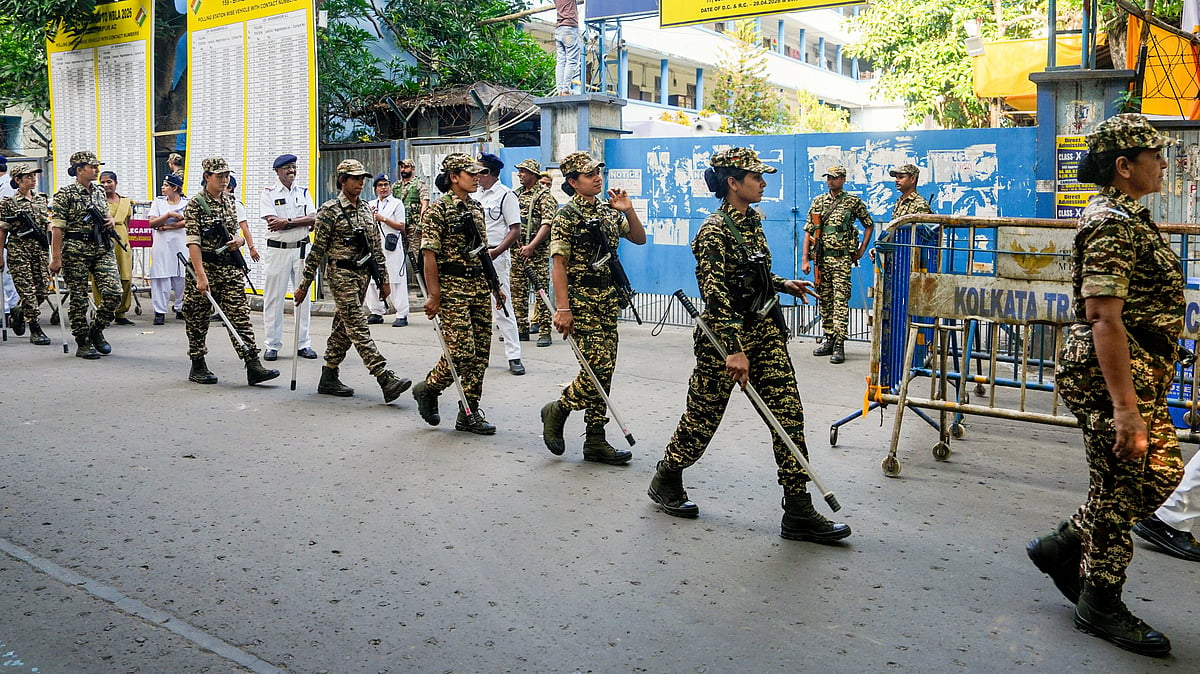
Political tensions are rising in West Bengal as leaders across parties make bold claims ahead of the election results due on 4 May. On Thursday, 29 April, Congress leader Ghulam Ahmad Mir predicted a clear victory for the ruling Trinamool Congress (TMC), stating that the party is likely to emerge as the single largest force in the state.
Mir, who is the All India Congress Committee (AICC) in-charge for West Bengal, argued that despite the Bharatiya Janata Party (BJP) putting its full weight behind the campaign, elections are not won through aggressive tactics alone. He maintained that the people of Bengal have voted with awareness and independence.
He placed particular emphasis on women voters, suggesting that they played a decisive role in shaping the outcome. According to Mir, women make up around half of the electorate in the state, and a significant proportion of them supported the TMC due to welfare schemes introduced by the state government. He added that women from BJP-supporting households may also have voted in favour of the ruling party.
At the same time, Mir openly acknowledged the weakened condition of the Congress in West Bengal. He admitted that both the Congress and the Left Front have lost much of their organisational strength in the state. Despite this, he said the Congress is attempting to rebuild itself and position as a viable “third force” in the political landscape, even as he conceded that the TMC currently has a far stronger organisational network.
His remarks have sparked speculation about Congress’ intentions after the results are announced. There are indications that the party may seek to strengthen ties within the broader anti-BJP opposition alliance. Party sources suggest that a meeting of the INDIA bloc could soon be held in Delhi, with plans to coordinate both parliamentary strategies and public protests in the coming weeks.
Meanwhile, not all Congress leaders share Mir’s assessment. Amba Prasad, who served as co-in-charge of the party’s election efforts in Bengal, struck a more optimistic note. She described the people of Bengal as highly discerning voters and argued that the Congress remains the only credible alternative in the state.
Prasad highlighted the party’s historical role in driving industrial development in West Bengal after independence and expressed confidence that it could regain support. She credited Rahul Gandhi’s leadership and public appeal as key factors that could help the Congress perform strongly. According to her, the party’s efforts under difficult conditions will eventually pay off, allowing it to re-establish itself as a serious political contender.
On the other side, the BJP has projected a sharply different picture. State BJP president Samik Bhattacharya has claimed that a “saffron storm” is on the horizon and that his party will secure more than 170 seats, enough to form the government.
Reacting to such claims, senior state Congress leader Adhir Chowdhury urged caution. He said it is too early to draw conclusions and that the final outcome will only be clear once votes are counted. While dismissing the BJP’s confidence, he acknowledged that there is significant public dissatisfaction with the current TMC government.
Chowdhury noted that there is widespread anger among voters, but also admitted that the situation remains unpredictable. According to him, the intensity of public sentiment makes it difficult to determine which party will ultimately benefit.
As West Bengal awaits the results, the political atmosphere remains charged with competing narratives. Each party is projecting confidence, yet underlying uncertainties continue to shape the discourse. The verdict on 4 May will not only determine the state’s leadership but could also influence the broader dynamics of opposition politics in India.
Join our official telegram channel (@nationalherald) and stay updated with the latest headlines