POLITICS
Indian Overseas Congress raises concerns over RSS chief Bhagwat’s US visit
IOCUSA urges American leaders engaging with RSS to consider its ideological history and political impact; Bhagwat set to address gathering at Madison Square Garden
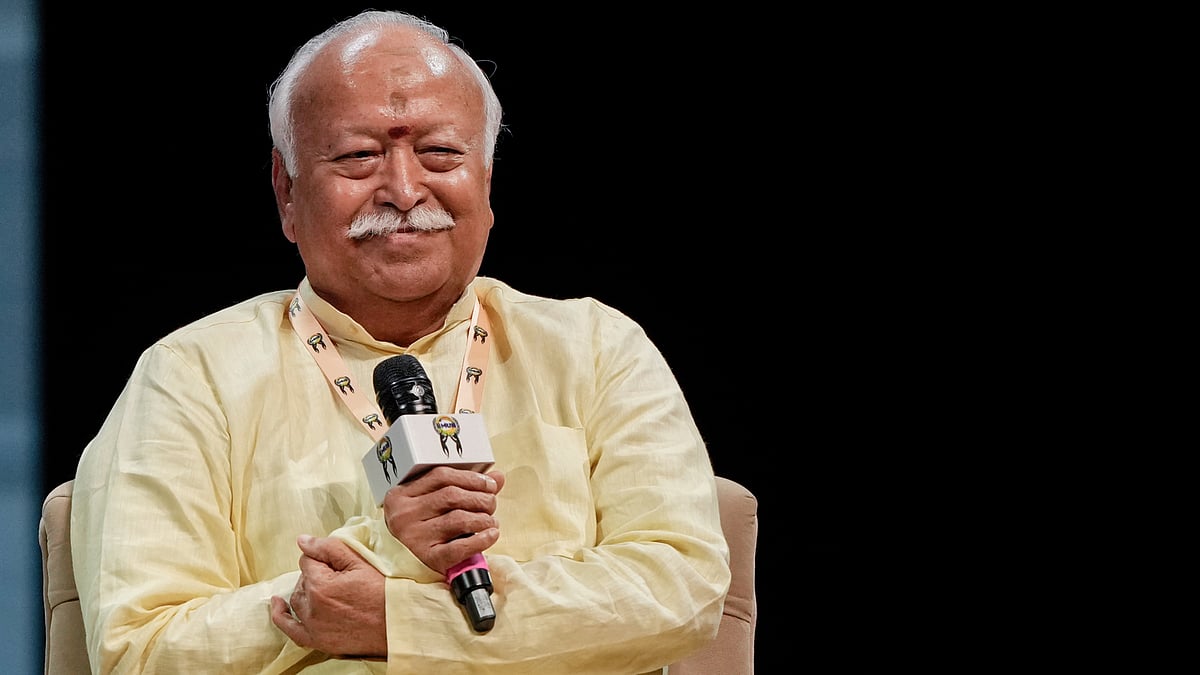
The Indian Overseas Congress’ US chapter has raised concerns over Rashtriya Swayamsevak Sangh (RSS) chief Mohan Bhagwat’s visit to the United States, questioning the organisation’s efforts to present itself to American audiences as a cultural body promoting “universal oneness” and “civilisational dialogue”.
In a statement issued on Tuesday, the Indian Overseas Congress USA (IOCUSA) said American political, business, religious and civic leaders engaging with RSS representatives should consider the organisation’s “history, ideology and political consequences”.
The group also expressed concerns over what it described as issues surrounding religious nationalism and minority rights, arguing that the RSS’s overseas messaging should be viewed alongside its ideological record in India.
Bhagwat arrived in the US on Tuesday as part of the RSS’s global outreach programme marking its centenary year. He is scheduled to address a gathering of around 5,000 people at Madison Square Garden in New York on August 29.
RSS outlines objectives of US outreach
The RSS has said Bhagwat’s foreign visit has three main objectives: presenting what it describes as a factual and positive perspective on India, Hindu society and the organisation; conveying the message of “Vasudhaiva Kutumbakam”, or the world being one family; and expanding dialogue with mainstream society on the interests and rights of Hindus and people of Indian origin.
IOCUSA, however, said the RSS should not be assessed solely on the basis of its messaging during its overseas outreach.
The organisation said its ideological history and its political and social consequences also needed to be considered when American leaders engage with its representatives.
“Hinduism, one of the world's great and ancient religious traditions, must not be confused with Hindutva political ideology,” IOCUSA said.
It stressed that its criticism was directed at what it called the “political weaponisation of religious identity”, rather than at Hinduism or Hindus.
“Millions of Hindus in India and throughout the world embrace pluralism, democracy and peaceful coexistence,” it said.
IOCUSA raises minority rights concerns
IOCUSA said the RSS's emphasis on “oneness” abroad should also be examined against concerns raised by human rights organisations, religious freedom monitors, journalists and civil society groups over discrimination, hate speech and violence affecting minorities in India.
The organisation argued that national unity could not be based on religious conformity.
“The RSS may speak of ‘oneness’ abroad, but genuine unity cannot be built by demanding conformity at home,” it said.
IOCUSA further said that a credible message of national unity required minorities to feel secure about their faith, culture and citizenship.
“There is no meaningful democracy when the worth of citizenship is measured by religious identity,” it said.
The statement comes as the RSS steps up international outreach during its centenary year, with Bhagwat's US visit expected to include interactions with members of the Indian diaspora and American society.
The RSS has sought to use the outreach to explain its views on Hindu society, India and the organisation's role, while IOCUSA has urged American stakeholders to examine those claims alongside broader debates surrounding the RSS's ideology and its influence in India.
Join our official telegram channel (@nationalherald) and stay updated with the latest headlines