POLITICS
'No deal but US steal': Cong's dig at govt over Indo-US trade deal
Opposition calls agreement uneven and labels it diplomatic failure
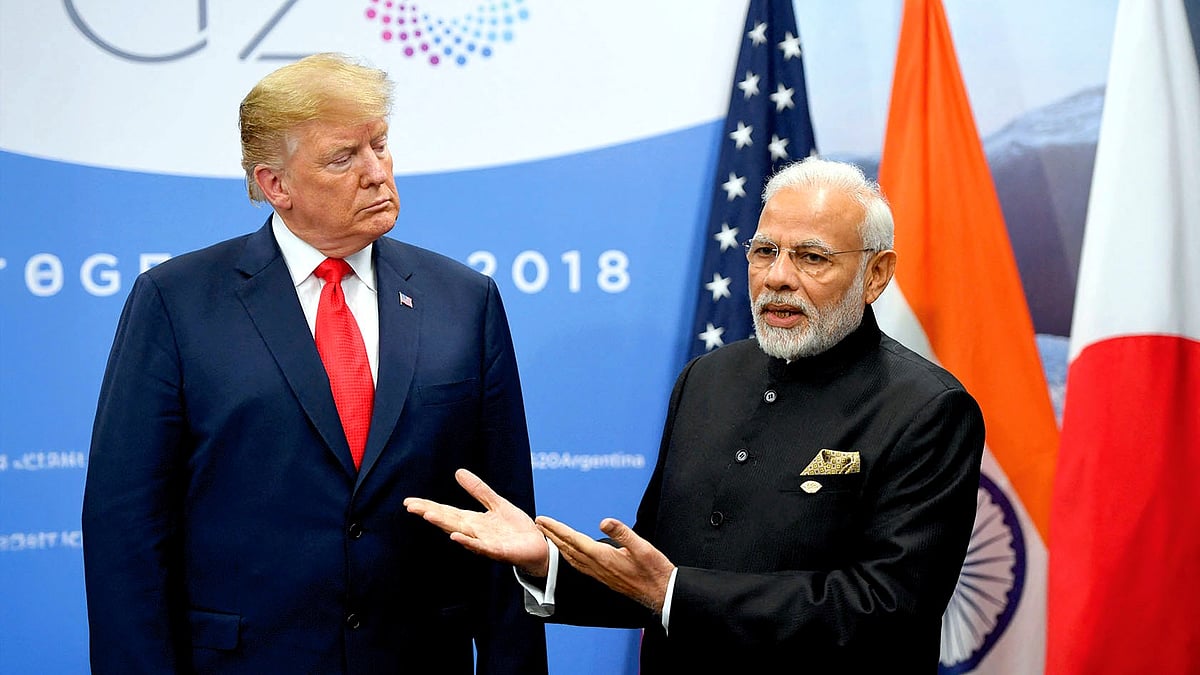
The Congress on Wednesday criticised Prime Minister Narendra Modi over the interim trade arrangement between India and the United States, contending that the agreement disproportionately favours Washington and exposes what it described as the shortcomings of both political outreach and economic negotiation by the government.
Jairam Ramesh, the party’s Rajya Sabha MP and general-secretary (communications), said the accord represented a windfall for the prime minister’s “good friend in Washington”, arguing that it underscored an “abject failure” of what he termed “political huglomacy” alongside shortcomings in economic diplomacy.
According to Ramesh, regardless of how the government frames the outcome, the substantive balance of concessions lies with the US. He maintained that American negotiators had secured greater advantages than they had granted in return.
He added that a range of independent analysts and commentators — including some not typically critical of the Prime Minister — had characterised the pact as lopsided, describing it in terms such as capitulation, asymmetrical commitments, a sell-out, and a humiliating retreat.
Ramesh further argued that the outcome came despite sustained efforts by Modi to cultivate ties with US President Donald Trump. He referred to the prime minister’s outreach, including participation in campaign-related events in September 2019, and noted that Modi was among the earliest global leaders to congratulate Trump following his re-election in February 2025.
The Congress leader said public displays of personal rapport between the two leaders had not translated into tangible benefits for India. While acknowledging Trump’s own expressions of camaraderie, he claimed the policies pursued by Washington had nevertheless imposed significant costs on New Delhi.
Calling the episode a clear diplomatic setback, Ramesh said the government would continue attempting to present the agreement positively, but insisted the underlying facts suggested otherwise. He also alluded to Trump’s repeated assertion — which he referenced in his criticism — that he had intervened to halt Operation Sindoor on 10 May 2025.
The party had already sharpened its attack a day earlier, arguing that the arrangement amounted not to a carefully managed opening of markets but to one extracted under pressure. In remarks posted on X, Ramesh wrote that the claims surrounding the pact had quickly been contradicted by statements emerging from Washington, indicating a divergence between the US understanding of the agreement and the narrative promoted domestically.
He maintained that India had been compelled to make greater concessions than it received and warned that previously cited advantages in textile exports over Bangladesh had been eroded following the announcement of a separate US–Bangladesh trade deal.
Last week, India and the United States jointly outlined the framework for an interim arrangement aimed at reciprocal and mutually beneficial trade. Under the terms announced, Washington agreed to reduce reciprocal tariffs on Indian goods from 25 per cent to 18 per cent. The US had already withdrawn a punitive 25 per cent tariff imposed in August the previous year in response to India’s purchases of Russian crude oil.
Despite those measures, the Congress has maintained that the interim pact represents not a mutually advantageous agreement but a concession that undermines national interests and dignity, describing it as a betrayal of both the country and its citizens.
With PTI inputs
Join our official telegram channel (@nationalherald) and stay updated with the latest headlines