POLITICS
October Spring: The ballot, the barricade and the battle for trust
They brought the Preamble; the state brought the barricades
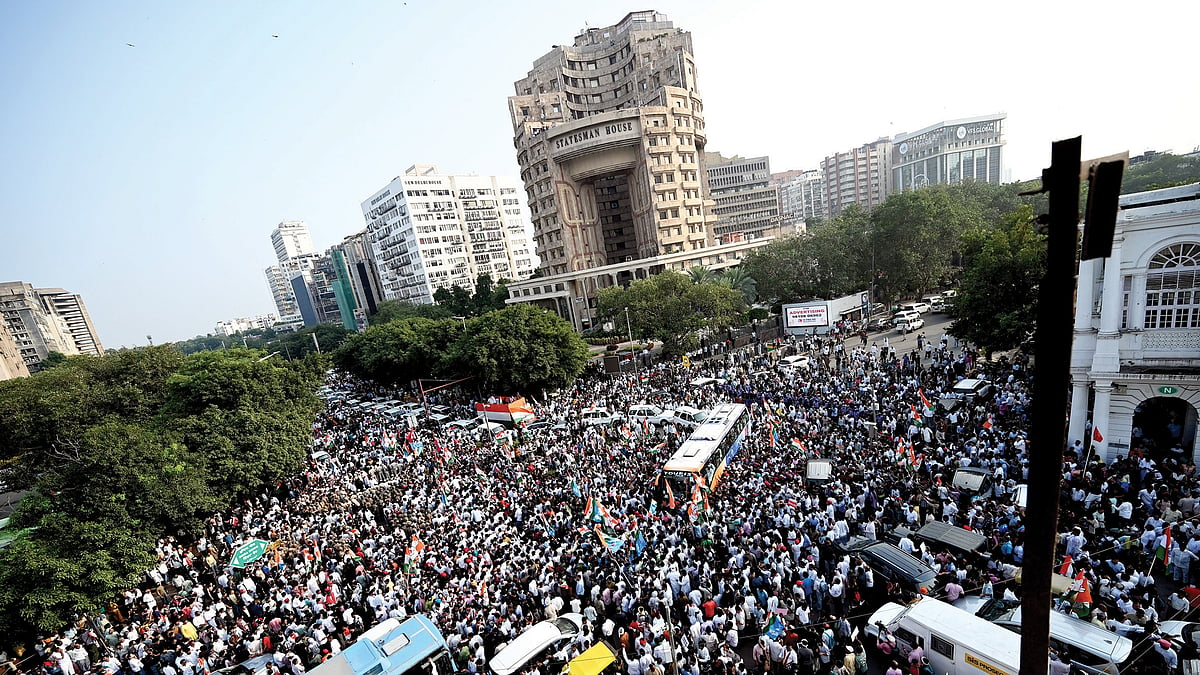
October is no season of spring in Delhi, but the capital’s streets are witnessing a different kind of stirring. Voices rose, placards went up, barricades came into view, and an old democratic question refused to stay indoors: who guards the integrity of the vote?
The protests against Chief Election Commissioner Gyanesh Kumar and allegations of vote chori brought the Opposition’s concerns about electoral integrity into the streets. From the corridors of Parliament to the approaches to the Election Commission, and from sit-ins to marches towards the Supreme Court, the contest over the credibility of India’s electoral process acquired a life of its own.
The language of protest was familiar. There were demands for accountability, invocations of the Constitution and calls to defend democracy. The choreography was familiar, too: marchers advanced, barricades held their ground, police personnel formed lines, and demonstrators negotiated the narrow space between making themselves heard and being allowed to gather.
Yet familiarity did not make the scenes any less revealing. A barricade became more than a piece of metal; a placard became an argument; a waiting crowd became a reminder that democratic participation did not end at the polling booth.
These photographs capture a political moment defined by competing claims and unanswered questions. They do not settle the allegations at the heart of the confrontation.
Instead, they document the people who took those questions to the streets — and the uneasy distance between the promise of representation and the demand that institutions earn public trust. The protesters arrived with questions about the integrity of elections; the streets answered with barricades, police lines and carefully managed movement. Vote fraud protests in India
Join our official telegram channel (@nationalherald) and stay updated with the latest headlines