POLITICS
TVK eyes 85% local body seats to strengthen grassroots link; allies seek greater share
Alliance partners are seeking a larger share of seats and mayoral posts, while TVK aims to retain control of all municipal corporations
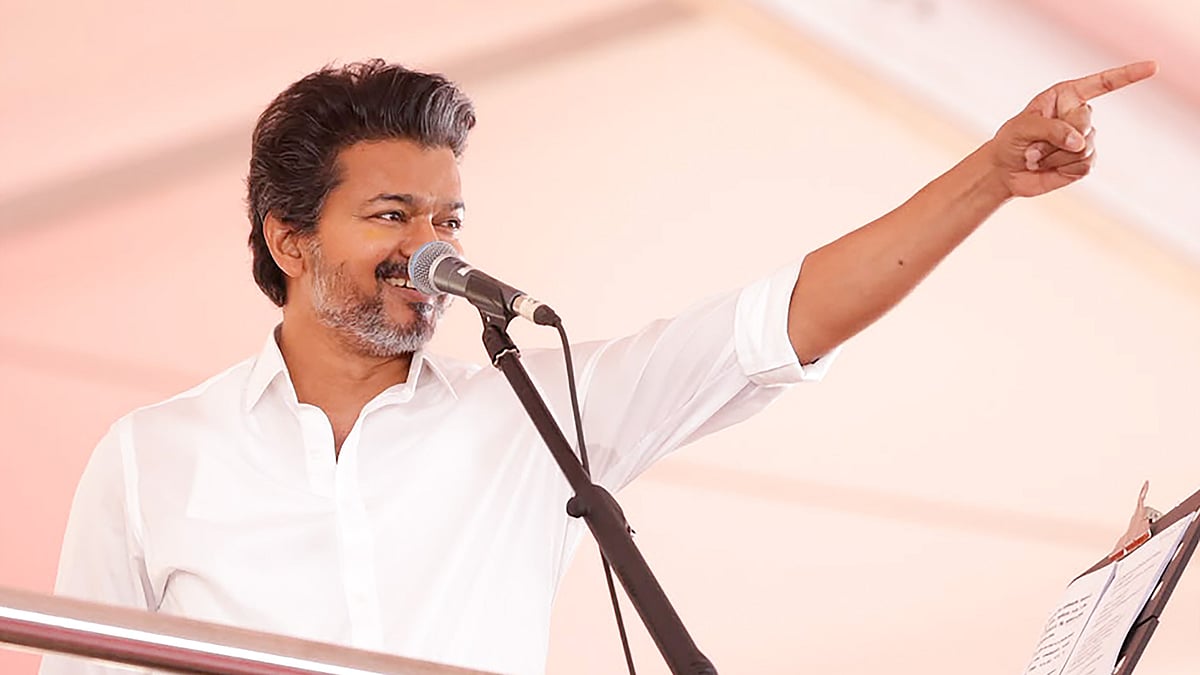
TVK is reportedly seeking 85% of seats in the January 2027 local body elections, leaving 15% for allies, including the Congress and Muslim League
Alliance partners are seeking a larger share of seats and mayoral posts, while TVK aims to retain control of all municipal corporations
TVK is identifying locally influential candidates to complement Vijay’s popularity and strengthen its grassroots presence across urban and rural areas
Tamil Nadu chief minister Vijay’s Tamilaga Vettri Kazhagam (TVK) is gearing up for the local body elections, likely to be held in January 2027, with the party reportedly seeking to contest around 85 per cent of seats and allot the remaining 15 per cent to its allies.
According to party functionaries, the proposed seat-sharing formula is part of TVK’s strategy to strengthen its grassroots presence and assess its electoral support beyond the appeal of its leader. The elections are expected to test the party’s ability to build support among rural voters, women, workers and young people.
However, the proposed allocation could trigger difficult negotiations with alliance partners, including the Congress and the Muslim League, which are seeking a larger share of seats and opportunities to secure mayoral positions. Some allies are also expected to seek control of specific municipal corporations and municipalities.
TVK, meanwhile, is keen to retain control of all municipal corporations, setting the stage for negotiations over both seat allocation and civic leadership positions. Senior party leaders and ministers are expected to hold discussions with alliance partners to persuade them to accept the proposed 15 per cent share.
The allies, citing their contribution to TVK’s rise to power, are preparing to press for greater representation in the upcoming elections, party functionaries said.
Alongside alliance negotiations, TVK has begun identifying candidates who can take on the established organisational networks of the DMK and AIADMK. Ministers, legislators and district secretaries are expected to spearhead preparations, while the party gathers information on constituencies where it believes it has a strong chance of winning.
Candidate selection is likely to be guided by local influence, public engagement and an established support base. The leadership is particularly keen to field people who have worked for the party and maintained close relationships with residents in their respective areas.
The party considers representation in municipal corporations, municipalities and panchayats crucial to its long-term expansion. A stronger presence in local bodies could help it consolidate its organisational structure and build sustained connections with communities.
Party functionaries acknowledge that Vijay’s popularity alone may not be enough to deliver victories in local body elections, where candidates’ accessibility and their understanding of local issues often play a decisive role.
TVK is therefore looking to combine its leader’s public appeal with candidates who have a strong presence in their neighbourhoods and can respond to residents’ everyday concerns.
As preparations gather pace, the party faces two key challenges: translating Vijay’s popularity into a durable grassroots network and reaching a seat-sharing agreement that accommodates its allies’ demands.
The proposed 85:15 formula remains subject to negotiations, with the distribution of civic leadership posts likely to be another major point of contention.
With IANS inputs