POLITICS
Why Kejriwal’s discharge in liquor 'scam' case is a blow to the BJP
In March 2024, ED arrested Arvind Kejriwal, and he was later taken into custody by the CBI
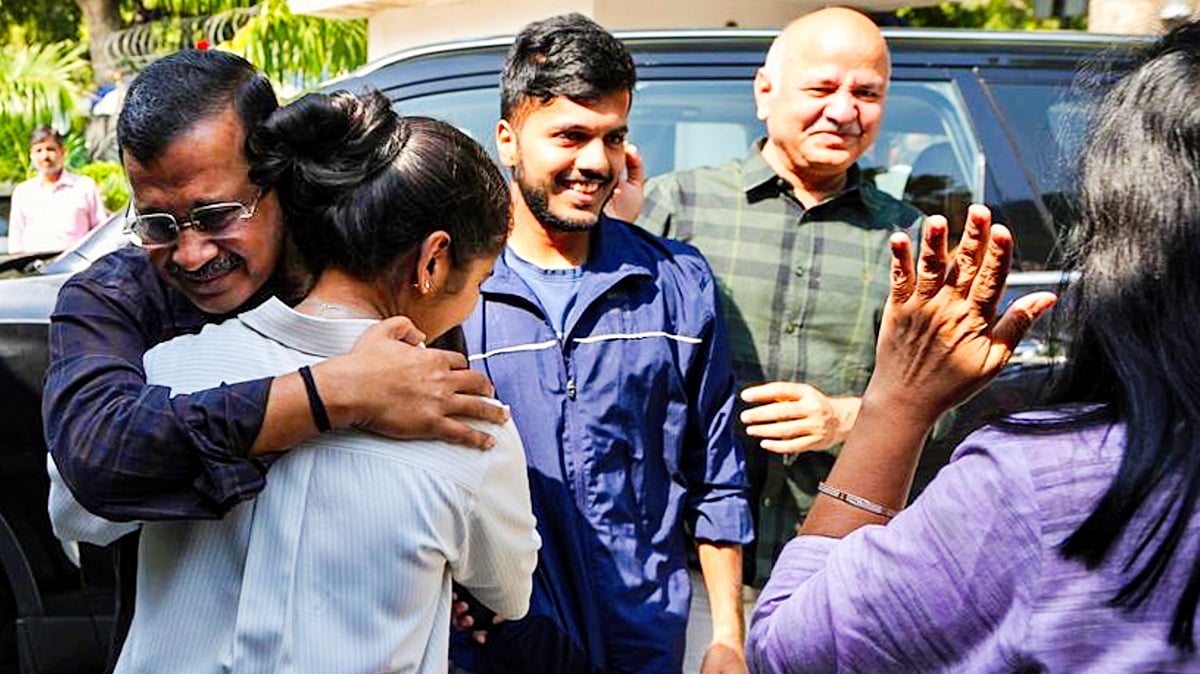
In what is being seen as a major political setback for the ruling BJP, a Delhi court on Friday discharged former Delhi chief minister Arvind Kejriwal, his erstwhile deputy Manish Sisodia, and 21 other accused — including controversial BRS leader K. Kavitha — in the Delhi liquor policy case.
Kejriwal’s discharge significantly weakens what had become one of the BJP’s central political narratives against the Aam Aadmi Party government — corruption.
The alleged scam was projected by the ruling party as evidence of corruption at the highest levels of the AAP leadership, but now the acquittal order shows it was more about political vendetta and power politics, and less about the corruption.
The AAP has described the verdict as a “victory of truth” and proof of Kejriwal’s image as a kattar imandar (steadfastly honest) leader. Opposition figures quickly rallied around the party. Samajwadi Party chief Akhilesh Yadav called the development a “moral defeat” for the BJP, while Tamil Nadu chief minister M. K. Stalin alleged that central agencies had been misused for political purposes.
The BJP, however, termed the relief “technical” and signalled that it would challenge the order in higher courts, seeking to keep the corruption debate alive.
The case originated from the then AAP government’s 2021–22 excise policy, which was withdrawn following allegations of irregularities. A report submitted by former Delhi chief secretary Naresh Kumar prompted lieutenant-governor V.K. Saxena to recommend a probe by the Central Bureau of Investigation.
The CBI subsequently registered a case and launched its investigation, arresting Manish Sisodia in February 2023. In March 2024, the Enforcement Directorate arrested Arvind Kejriwal after prolonged questioning, and he was later taken into CBI custody from jail in June.
With the court declining to proceed against the accused, the ruling has handed fresh ammunition to the AAP. Understandably, party leaders struck a combative tone. Rajya Sabha MP Sanjay Singh directly challenged Prime Minister Narendra Modi, accusing the government of political vendetta and asking, “Where are you hiding now?”
Observers say the ruling could rejuvenate the AAP, a party born out of Anna Hazare's 2011 anti-corruption movement, while placing the BJP — already facing allegations of vendetta politics — in an uncomfortable position.
The timing of the verdict is politically significant too. It comes ahead of the upcoming Punjab elections, where the AAP is seeking a second term and has been battling the lingering impact of the corruption allegations.
Analysts also see the development as a personal political setback for Modi and Union home minister Amit Shah, under whose watch the liquor policy case was pursued and turned into a major campaign.
The controversy was repeatedly invoked in the last Delhi election to question the credibility of AAP’s leadership. With the discharge of its top leadership, AAP now has an opportunity to rebuild credibility, counter the corruption narrative, and revive its original anti-corruption.
The verdict may help the party consolidate its stronghold in Punjab and attempt expansion beyond Delhi. However, political challenges remain, including possible appeals and the broader battle over public perception.
For now, the court’s decision shifts the momentum — weakening the BJP’s anti-corruption attack line while giving AAP a chance to reclaim the narrative that once defined its rise.
Join our official telegram channel (@nationalherald) and stay updated with the latest headlines