


Amid controversy, ECI revises Uttar Pradesh SIR schedule
Draft electoral roll to be published on 6 Jan; claims and objections period extended till 6 Feb
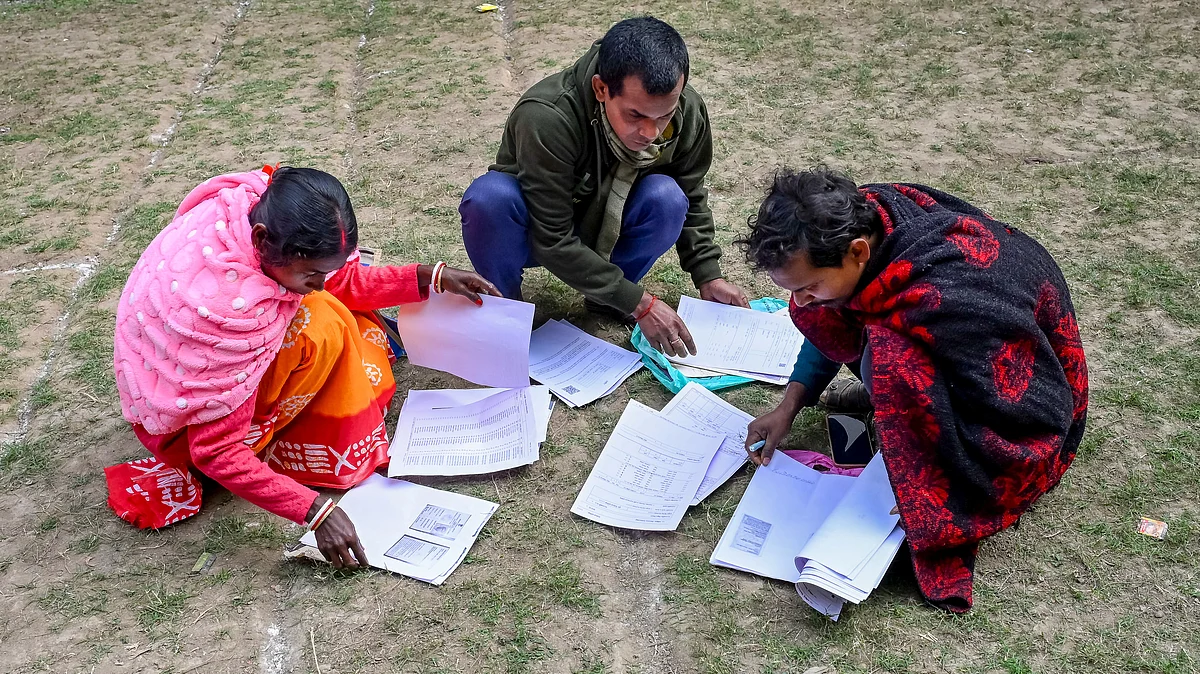


The Election Commission of India (EC) has revised the schedule for the Special Intensive Revision (SIR) of electoral rolls in Uttar Pradesh, the country’s most populous state and a key electoral battleground.
As per the revised timeline, 6 January 2026 is the date for publishing the draft voter list, with the final roll to be released on 6 March, Navdeep Rinwa, Chief Electoral Officer of Uttar Pradesh, said in a statement on Tuesday, 30 December.
Claims and objections will be invited from 6 January to 6 February, he said. The notice stage, disposal of claims and objections, and decisions on enumeration forms will continue from 6 January to 27 February, after which the final electoral roll will be published on 6 March.
This marks a significant update to the ongoing voter roll revision exercise, which began on 4 November and concluded on 26 December, after two extensions. The nearly 52-day exercise seemingly aims to uphold the theme 'shuddh nirvachak namavali, majboot loktantra (clean electoral rolls, strong democracy).
According to official figures, the draft list will contain approximately 12.55 crore voters. However, nearly 2.89 crore names have been deleted from the pre-SIR list citing reasons such as death, change of residence, or duplications arising from enrolment in multiple places. Rinwa noted, “Those excluded will be able to contest the deletion during the claims and objections period.”
Voters whose names have been deleted can reapply using Form 6, which is also available for first-time voters, while objections to the inclusion of names in the draft can be raised through Form 7. Furthermore, Rinwa highlighted that over 1 crore voters remain in the “unmapped” category and must submit self-attested documents, as prescribed by the EC, to retain their names for the final version of the roll.
The SIR exercise in Uttar Pradesh comes amid political controversies, with opposition parties alleging bias and selective deletion of names from the voter list — charges denied by the ruling BJP.
In comparison, other states have recently conducted voter list revisions with varying approaches and public response. For instance, Maharashtra and Tamil Nadu, while conducting regular revisions, have not faced as intense political scrutiny or mass deletions. Additionally, states like Kerala emphasise inclusiveness during revisions by maintaining rigorous verification without large-scale pruning, reflecting different administrative and political contexts.
The Uttar Pradesh exercise underscores the challenges faced by the Election Commission in balancing electoral integrity with inclusiveness in India’s diverse democratic landscape. As the claims and objections window opens, political stakeholders and citizens alike will closely watch how the final voter list shapes up ahead of upcoming elections in the state.
Join our official telegram channel (@nationalherald) and stay updated with the latest headlines