


Shock, revulsion as UP government seeks to withdraw prosecution in the 2015 Akhlaq lynching case
The move to drop charges against accused in the 2015 Dadri lynching sparks outrage with legal experts, civil society activists highlighting dangers of impunity and institutionalised hate violence
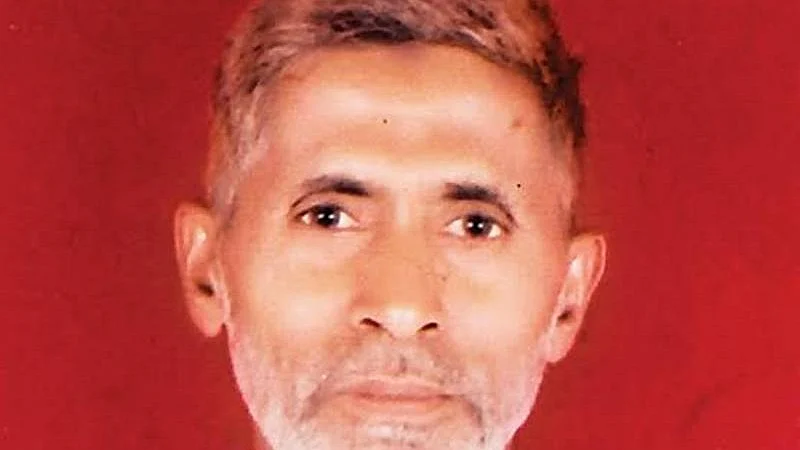


The Uttar Pradesh government’s application to withdraw prosecution against all accused in the 2015 Dadri lynching case, with permission granted by Governor Anandiben Patel, has provoked widespread shock and condemnation across legal circles and civil society.
The fast-track court overseeing the trial is expected to pronounce its decision by Thursday, 18 December, closing a decade-long pursuit of justice for Mohammad Akhlaq, a 52-year-old man brutally killed in his home near Delhi.
On the night of 28 September 2015, a mob assaulted Akhlaq, accusing him of possessing beef — a claim disproved by forensic tests — dragging him from his home in Bisahda village, Gautam Buddh Nagar district, and beating him to death.
His son Danish also suffered serious injuries in the attack. The incident sparked nationwide outrage as one of India’s earliest high-profile lynchings linked to communal violence around cow protection.
After years of delays, the trial began in 2022. Witness testimonies —including from family members — and documentary evidence were duly presented.
However, civil society groups monitoring the case assert that prosecution delays were deliberate, with untimely summons and repeated adjournments stalling progress. Now, with just two prosecution witnesses yet to appear, the government is seeking to discontinue the case citing “restoration of social harmony” rather than any legal ground.
Observers warn that the Governor’s consent to seek withdrawal starkly undermines constitutional duties and erodes public confidence in democratic institutions. Civil society organisations condemned the move as a political act effectively normalising communal violence through state policy. “It signals to lynch mobs and vigilante groups that violence against minorities will go unpunished,” they said in a statement.
The withdrawal of prosecution in a murder case institutionalises impunity and conveys the message that targeted mob violence can be retrospectively justified.
Academic voices echo serious alarm. Professor Nadeem Hasnain, former Lucknow University anthropology head, emphasised the chilling ramifications: “Police are already reluctant to register crimes against minorities. Now, the government appears to shield accused lynchers.
This sends a dangerous signal that lynching an elderly man in his home will escape punishment,” he said.
Human rights activists and lawyers also criticised the move. Arun Khote questioned both legal and moral grounds for seeking to withdraw murder prosecution, while Supreme Court advocate Vertika Mani Tripathi warned it would "entrench impunity for hate crimes" and deny justice to the Akhlaq family.
Social and political leaders voiced similar concerns. Samajwadi Party's Pooja Shukla cautioned it would “embolden extremist elements and increase violence against minorities.” Activists like Roop Rekha Verma pointed out that condoning trespassing and murder on mere suspicion undermines rule of law.
The All India People’s Front's Dinker Kapoor highlighted a disturbing pattern of state actions straying beyond constitutional norms, including arbitrary demolitions and selective prosecutions.
The All India Democratic Women’s Association (AIDWA) and veteran activist Madhu Garg condemned the withdrawal as emboldening hate-mongers and aggravating minority-targeted violence.
This proposed withdrawal does not merely close a legal chapter; it risks setting a perilous precedent by signalling state tolerance for communal lynch mobs and weakening protections for vulnerable communities. As the court’s decision looms, voices from across society urge reaffirming justice and upholding constitutional morality to prevent normalising hate-fuelled violence.
With PTI inputs
Join our official telegram channel (@nationalherald) and stay updated with the latest headlines