


Uphold Constitution over unlawful orders, 98 former civil servants urge serving officers
Constitutional Conduct Group raises concerns over electoral revision, policing and institutional independence in an open letter calling for impartial administration


An open letter signed by 98 former civil servants urges serving officers to uphold the Constitution when official orders conflict with the law.
The Constitutional Conduct Group criticised the electoral roll revision exercise, police handling of protests and alleged partisan conduct by public officials.
The signatories called for stronger personal accountability for administrative excesses and pledged support to officers who defend constitutional principles.
Ninety-eight former civil servants have appealed to serving officers to place their constitutional obligations above political pressure, warning that institutional independence and citizens’ rights are being undermined by partisan administration.
In an open letter dated 7 October, the Constitutional Conduct Group urged members of the All India and Central Services to follow the law whenever instructions from their superior's conflict with statutory provisions, even at a personal cost.
“When there is a conflict between the orders given to you and the statutory provisions, your duty is to go strictly by the provisions of law in letter and spirit,” the group said.
The signatories include former Election Commissioner Ashok Lavasa, former Union home secretary G.K. Pillai, former Delhi lieutenant governor Najeeb Jung, former chief information commissioner Wajahat Habibullah and former Punjab police chief Julio Ribeiro.
The group, which describes itself as a collective committed to constitutional values, said it was writing amid shrinking space for democratic discussion and a tendency to label dissent as anti-national. It argued that senior administrative and police officers had a particular responsibility to preserve impartial governance in such circumstances.
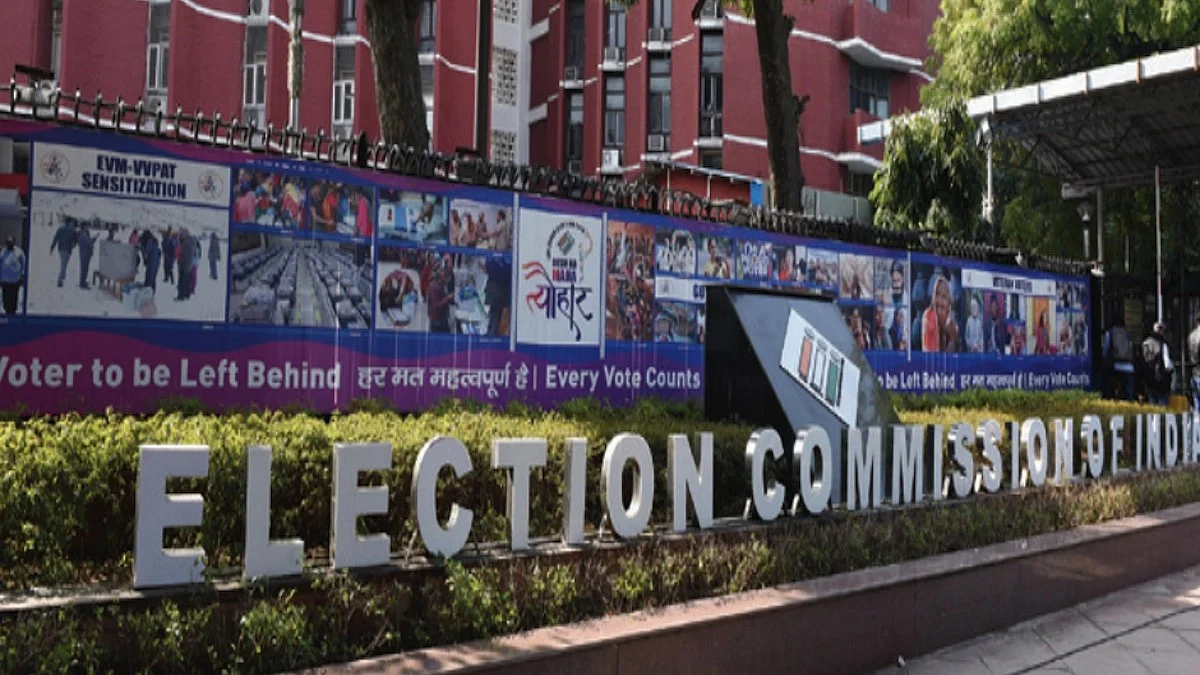
A substantial part of the letter focused on the Election Commission’s Special Intensive Revision of electoral rolls. The signatories contended that the exercise had transformed a routine administrative process into one that risked excluding genuine voters.
They criticised the documentary requirements and the burden placed on people to establish their eligibility, including those already registered. The group argued that these conditions had generated fear among citizens who lacked access to the documents sought.
The letter also questioned decision-making within the Commission under Chief Election Commissioner Gyanesh Kumar. Referring to reports in The Indian Express, it alleged that decisions had been taken unilaterally and criticised the other two commissioners for acquiescing. It further questioned their subsequent ratification of decisions at a meeting on 26 September.
These assertions form part of the signatories’ criticism of the electoral revision exercise; the letter does not establish them as judicial findings.
The group also condemned the Delhi Police’s handling of a youth protest at Jantar Mantar and an attempted march to Parliament on July 20. It said the police appeared to have underestimated the gathering before responding with disproportionate force, citing visual records that it said showed excessive action by some personnel.
Beyond protest policing, the signatories alleged that officers in investigative and enforcement agencies had participated in the harassment of individuals and institutions perceived as opposing the government. They argued that prolonged investigations and restrictive bail conditions could turn the legal process itself into punishment.
The letter raised concerns about religious impartiality in administration, citing officials’ participation in Kanwar pilgrimage activities, restrictions on meat shops and alleged intimidation of Muslim traders along pilgrimage routes.
It also criticised what it described as selective action against minority communities, failures to act against hate speech and the punitive demolition of properties despite Supreme Court directions.
The signatories called for stronger personal accountability and penalties where administrative or police conduct violates fundamental rights. They cited court interventions against detention orders and official excesses as reasons to scrutinise the exercise of executive power.
Environmental governance was another area of concern. The group alleged that some officers had helped weaken safeguards and facilitate projects at a substantial cost to forests and communities dependent on them. It pointed to changes in the environmental regulatory framework and questioned the scrutiny of projects such as the proposed Great Nicobar development.
The former officials acknowledged that departures from constitutional principles predated the present government. They also recognised that serving officers worked in a less accommodating environment than many of the signatories had experienced, with greater pressure to comply and fewer dependable sources of institutional support.
Nevertheless, they said those difficulties did not diminish an officer’s primary allegiance to the Constitution and due process.
Invoking Sardar Vallabhbhai Patel’s emphasis on political neutrality and frank advice to ministers, the group urged serving officials to exercise independent judgement. It concluded by pledging support to those who upheld the law despite pressure or personal inconvenience.