Art and Culture
Solapur to Pune: The rising movement for a DJ-free Ganeshotsav
Citizens in Maharashtra call for noise-free, respectful festivals to protect health, community harmony and faith
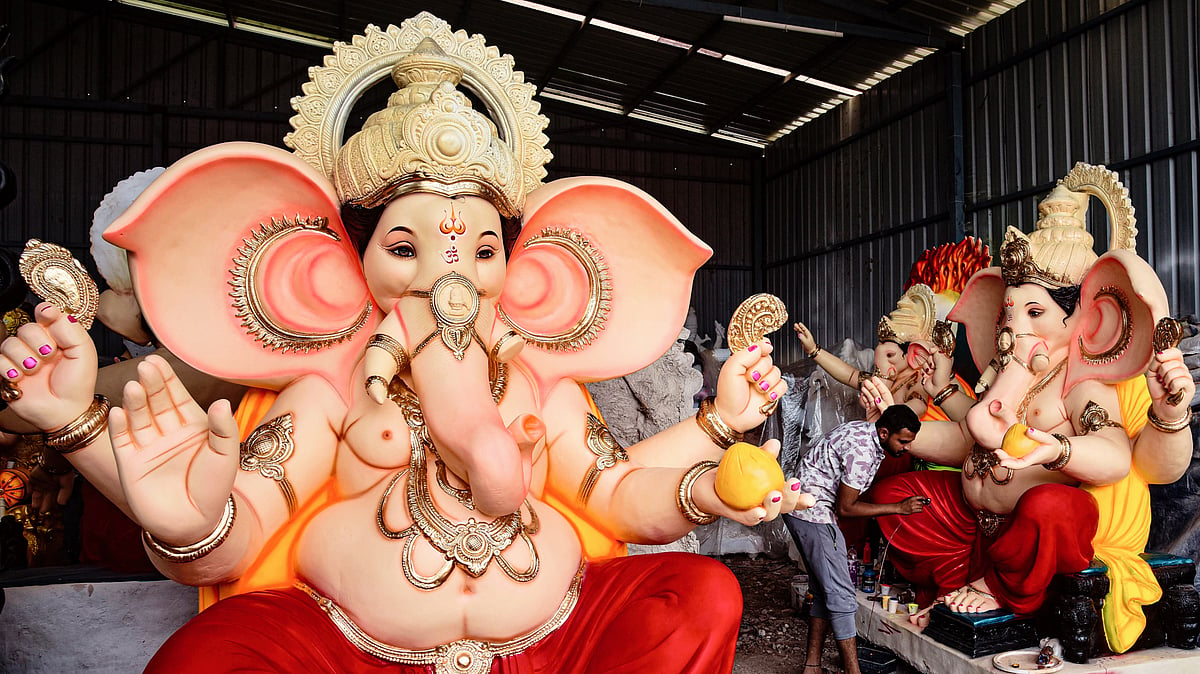
Religious festivals, traditionally expressions of faith and devotion, are increasingly becoming platforms for displaying power and dominance in public spaces. Loud music, aggressive slogans, and ostentatious processions often overshadow the true spirit of such celebrations, alienating many and disturbing entire communities.
However, some cities in Maharashtra are charting a different path, seeking to reclaim the essence of faith without the excess noise and chaos. Solapur stands out as a notable example. Known as the 'City of Martyrs' for its role in India’s freedom struggle, Solapur has taken a bold civic initiative by declaring a ‘DJ-free Ganeshotsav’ last year. This movement wasn’t imposed by authorities but fostered by the conscious efforts of citizens who wanted to celebrate faith respectfully and peacefully.
The Solapur campaign, however, is about more than banning DJs; it challenges the way religion is expressed publicly. Is faith meant to be a show of strength or a genuine devotion? Amid the rising tension and communal unease linked to religious festivals nationwide, Solapur’s model shows an alternative — one where celebration is enthusiastic but calm, faith is deep but non-aggressive, and identity shines without overshadowing others.
Inspired by Solapur’s example, Pune — a major metropolis in Maharashtra — is now witnessing a growing campaign for a DJ-free Ganeshotsav. This movement is fuelled by concerns about noise pollution, health impacts, public safety and the loss of peaceful community spaces during festivals.
On 24 August, a meeting was held at the Pune Municipal Corporation to discuss Ganeshotsav preparations. Mandal representatives and citizens gathered to share views. A young Pune resident, Vidyanand Bapat from Ratnagiri, emerged as a key voice. Working at a BPO and not affiliated with any organisation, Bapat presented a reasoned appeal to curb the deafening noise and disruptive pandals used during religious festivities.
He highlighted how loud DJ music impacts health and stresses public infrastructure by blocking streets and pedestrian movement. His argument was grounded in logic and facts, and he called on Pune to follow Solapur’s footsteps instead of continuing with cacophony justified as tradition.
However, Bapat’s reasoned plea was met with hostility. Interruptions and attempts to silence him escalated into an assault, forcing police intervention. Despite the attack, his words struck a chord with thousands who had long been disturbed by the loud, aggressive music at festivals.
Soon, a mass campaign took shape. Social media and mainstream Marathi media embraced Bapat’s call for change, amplifying the demand for a DJ-free Ganeshotsav. Signature drives and peaceful sit-in protests at prominent city spots, including Pune’s Goodluck Chowk, drew wide participation.
This emerging people’s movement has unsettled some vested interests fearful of losing their influence over festival celebrations. The government now faces growing public pressure to respond meaningfully.
The roots of the Solapur campaign trace back to two tragic incidents that exposed the dangers of excessive festival noise. In February 2025, during Shiv Jayanti celebrations, Raju Yadgirkar asked organisers to turn down the volume because the loud music distressed his elderly mother. Instead, organisers humiliated him and forced him to sit near speakers, which resulting in his permanent deafness.
In August 2025, 27-year-old Abhishek Birajdar suffered a fatal heart attack after dancing to loud DJ music during another procession. Medical experts confirmed the heart attack was triggered by a dangerous combination of loud noise, exhaustion, and stress, emphasising the health risks posed by high-decibel DJ setups.
Public outrage over these tragedies led to the formation of the 'DJ-Free Solapur Action Committee', including lawyers, doctors, seniors, and students, who collected over 40,000 signatures in a single day and organised processions and protests. Under immense pressure, local authorities agreed to support the initiative, turning Solapur into a model of noise-free, respectful religious celebrations.
The Pune movement now hopes to replicate this success. As more citizens demand religious festivals free from noise pollution, obscenity, and public disruption, these efforts challenge the prevailing culture of festivals as arenas of power and aggression.
This transition reflects a broader quest: how can society preserve its rich religious heritage while fostering harmony, respect, and well-being? The answer may lie in quieter, thoughtful celebrations that honour faith without harming communities.
Join our official telegram channel (@nationalherald) and stay updated with the latest headlines