Business
Trump offers US insurance, naval escorts as Hormuz crisis lifts oil prices
Energy markets jump and global stocks slide amid fears Iran conflict could choke a fifth of the world’s oil supply
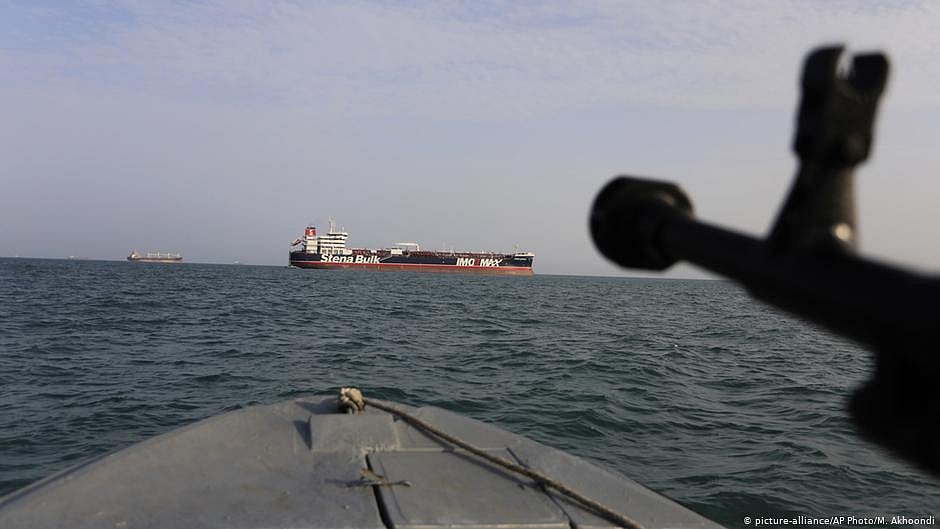
Oil and gas prices climbed sharply after escalating conflict involving Iran stoked fears of disruption to the Strait of Hormuz, one of the world’s most important energy corridors, through which roughly 20 per cent of global oil and gas supplies pass.
The surge came as traders reacted to mounting tensions in the Gulf and the risk that tanker traffic through the narrow waterway could be curtailed. The world’s main international oil benchmark, Brent crude, rose by nearly 5 per cent to about $81.40 a barrel, while US crude gained more than 4.5 per cent to trade at roughly $74.56. Natural gas prices also advanced on concerns that regional exports could be affected.
In response, US President Donald Trump announced emergency measures aimed at reassuring shipping companies and calming energy markets. He said he had directed the United States Development Finance Corporation to provide political risk insurance and financial guarantees for maritime trade moving through the Gulf.
“Effective immediately,” Trump said in a social media post, the agency would offer cover “at a very reasonable price” to safeguard vessels, particularly those transporting energy supplies. He added that the scheme would be available to all shipping lines operating in the region.
The president also signalled that the US military stood ready to intervene directly if necessary. “If required, the United States Navy will begin escorting tankers through the Strait of Hormuz as soon as possible,” he said, pledging that Washington would ensure the “free flow of energy to the world”.
The announcement followed reports that Iran had sought to restrict passage through the strait after hostilities intensified. An Iranian commander was quoted as warning that vessels attempting to transit the waterway could face retaliation.
Al Jazeera said analysts cautioned that a prolonged closure or sustained disruption could have dramatic consequences for global energy markets. Some strategists have suggested that oil prices could climb beyond $100 a barrel if tanker traffic were blocked for any significant period.
Financial markets reacted nervously. Major stock indices fell as investors weighed the risk of a widening Middle East conflict and the prospect of higher energy costs feeding into global inflation.
The Strait of Hormuz, which links the Gulf to the Indian Ocean between Iran and Oman, is widely regarded as the most critical oil chokepoint in the world. A substantial share of internationally traded crude and liquefied natural gas passes through the channel, making it vital to energy-importing economies in Asia, including India.
Although the United States is now a leading oil producer and less reliant on imports than in previous decades, American consumers are not insulated from global price swings. The average price of petrol in the US rose by more than 11 cents overnight to $3.11 a gallon, according to data from the American Automobile Association.
Trump acknowledged that the conflict could push up energy costs in the short term but predicted that prices would fall once hostilities subside. Speaking alongside German chancellor Friedrich Merz at the White House, he said any spike would be temporary.
The political implications at home remain uncertain. Opinion surveys indicate that military action against Iran is unpopular with many Americans, and rising fuel costs could further erode public support in the run-up to the US midterm elections.
With tensions still high around the Strait of Hormuz, markets remain on edge, bracing for further volatility should the conflict deepen or shipping routes face renewed threats.
With agency inputs
Join our official telegram channel (@nationalherald) and stay updated with the latest headlines