Business
India–EU free trade deal nears finish line, but fault lines over investment persist
Long-awaited pact promises tariff cuts and services access even as critics warn of risks to policy autonomy and farmers
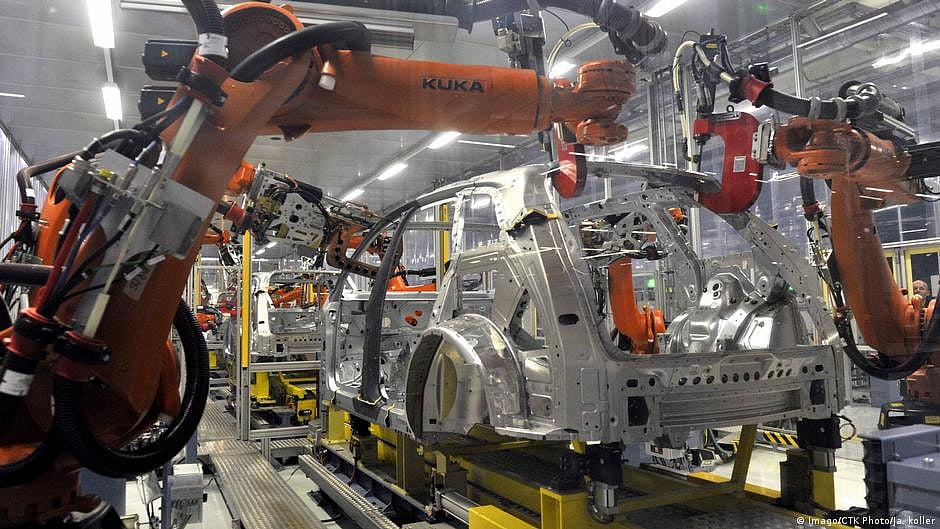
India and the European Union are expected to announce the conclusion of a long-pending free trade agreement on 27 January, bringing to a close nearly 18 years of negotiations and setting the stage for one of India’s most ambitious trade partnerships.
The deal is likely to feature significant tariff reductions on goods and expanded access in services, but it has also revived debate over whether the balance of concessions adequately safeguards India’s economic and policy interests.
According to officials familiar with the talks, the agreement will lower import duties on labour-intensive Indian exports such as textiles, footwear, leather, apparel, gems and jewellery — sectors that employ millions and are central to India’s export strategy. In return, India is expected to offer calibrated tariff concessions on European automobiles and alcoholic beverages, including wines.
India has consistently sought zero-duty access for labour-intensive products in its trade negotiations, a demand that has been met in recent agreements with the UK, Australia and the UAE. The EU, meanwhile, has pressed for improved access for its auto and alcohol industries, where Indian tariffs remain among the highest globally.
In earlier trade pacts, India has adopted a cautious approach. Under the India–UK agreement signed in 2025, automotive tariffs are to be reduced from over 100 per cent to 10 per cent within quotas and over a long transition period, alongside safeguards to protect domestic manufacturers. Similar staging and protections are expected to be built into the EU deal.
Commerce ministry officials have argued that the agreement could also benefit India’s automobile sector by encouraging exports and partnerships with European manufacturers. Alongside goods, the pact is expected to liberalise norms in several services sectors, including telecommunications, transport, accounting and auditing.
Negotiations between India and the 27-nation bloc began in 2007 and have repeatedly stalled over disagreements on market access, regulation and investment protection. The final agreement is understood to span 24 chapters covering goods, services and regulatory cooperation, with parallel negotiations under way on investment protection and geographical indications.
The EU is India’s largest trading partner in goods. Bilateral merchandise trade reached USD 136.53 billion in 2024–25, while services trade stood at USD 83.10 billion. India currently enjoys a trade surplus with the bloc, and EU markets account for roughly 17 per cent of India’s exports.
Yet even as the deal edges closer to completion, critics caution that its deeper provisions could constrain India’s long-term policy space. Particular concern centres on proposed investor protection clauses, including an investor–State dispute settlement (ISDS) mechanism that would allow foreign companies to challenge Indian government actions before international arbitration panels.
India’s past experience with such provisions—most notably after the Supreme Court cancelled telecom licences in 2012—has left policymakers wary. Similar clauses elsewhere have been used to contest public-interest legislation, prompting fears that they could weaken regulatory autonomy and democratic accountability.
While India has sought to modify the ISDS framework by requiring investors to exhaust domestic legal remedies first, critics argue that the changes do not go far enough and risk privileging foreign firms over domestic businesses, which lack access to international arbitration.
Agriculture remains another sensitive flashpoint. Although officials say key farm and dairy sectors have been kept outside the agreement, analysts warn that any significant reduction in agricultural tariffs could expose Indian farmers to competition from heavily subsidised European producers. With millions dependent on small-scale farming, opponents argue that opening the market risks aggravating rural distress rather than enhancing competitiveness.
These concerns echo India’s stance during earlier global trade negotiations, including the Uruguay Round of the World Trade Organization, when it resisted rules on investment, agriculture and intellectual property that were seen as limiting development policy.
Supporters of a tougher negotiating posture point to past successes. The EU had earlier pushed for stronger intellectual property protections that campaigners warned would delay access to affordable generic medicines. Following sustained opposition, those provisions were eventually dropped.
As the India–EU agreement moves towards formal announcement, the debate is no longer about whether a deal should be done, but on what terms. For proponents, the pact represents a chance to lock in market access and deepen strategic ties with Europe. For critics, it is a test of whether India can leverage its growing economic weight to secure openness without sacrificing policy autonomy or livelihoods.
Whether the agreement ultimately delivers inclusive gains will depend not only on tariff cuts and headline numbers, but on how carefully its deeper rules are calibrated — and how firmly India holds the line on its long-term development priorities.
With PTI inputs
Join our official telegram channel (@nationalherald) and stay updated with the latest headlines