Business
Rupee extends fall, now Asia’s weakest currency with 6 pc year-to-date drop
Analysts attribute pressure to US tariffs, record trade deficit and persistent foreign outflows
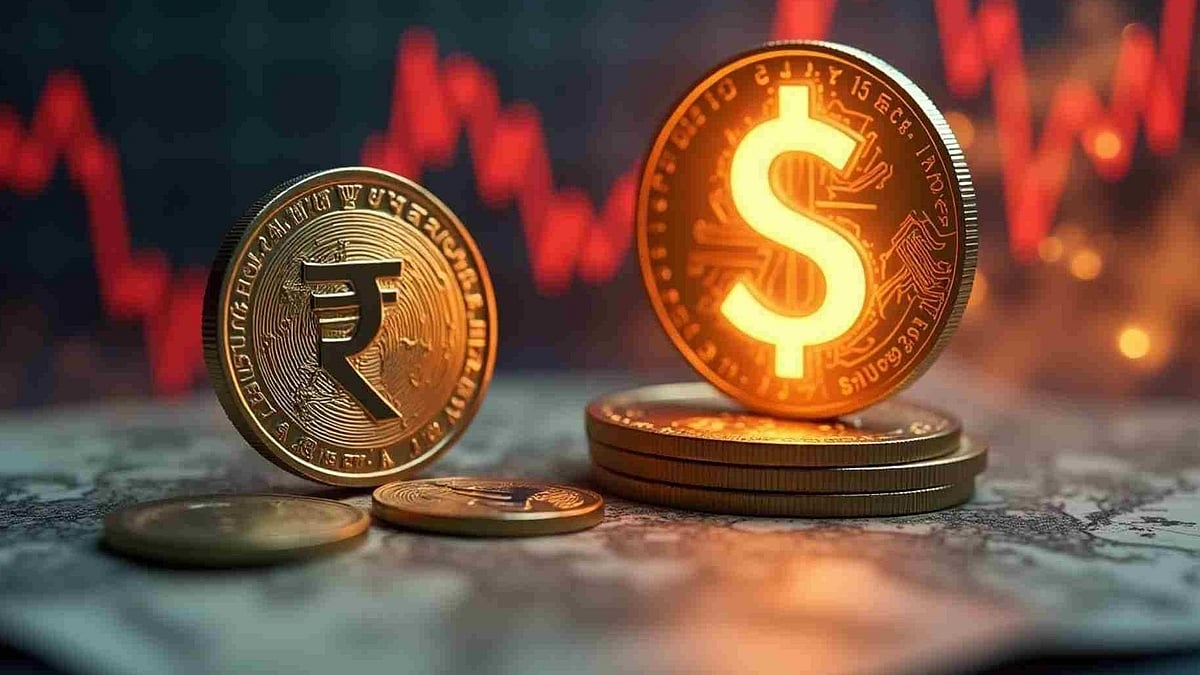
The Indian rupee sank to a fresh all-time low on Friday, 12 December, breaching the psychologically significant 90-per-US-dollar mark as trade tensions with the United States deepened and foreign capital continued to exit domestic markets. The currency has now fallen nearly 6 per cent this year, making it Asia’s worst performer.
The decline comes despite India’s robust economic growth of 8.2 per cent in the July–September quarter, at least as per government data. Analysts say the persistent pressure stems from a confluence of structural and external factors, including US tariffs, a record merchandise trade deficit and sustained foreign portfolio outflows.
The Trump administration’s tariffs of up to 50 per cent on several Indian exports have sharply widened India’s trade deficit, which hit an unprecedented USD 41.7 billion in October.
Hopes that a long-pending deal could help ease pressure have dimmed after the latest discussions between India’s Commerce Secretary and US officials ended without a breakthrough. Prime Minister Narendra Modi is understood to have taken up the issue directly with US President Donald Trump.
Compounding the pressure, foreign investors have pulled roughly USD 18 billion from Indian equities this year, redirecting funds to better-performing emerging markets. The MSCI India index has returned just 2.5 per cent in dollar terms, compared with nearly 28 per cent for the broader emerging markets index, the widest underperformance gap in more than three decades.
Companies’ year-end dollar requirements and heavy hedging by importers added momentum to the rupee’s slide. Intraday levels hovered between 90.55 and 90.63 on 12 December, surpassing the previous record low of 89.73 earlier in the month. The rupee has now posted its steepest annual decline since 2022.
The Reserve Bank of India (RBI) has intervened intermittently, with state-run banks selling dollars to prevent sharper intraday falls. However, officials appear to be allowing limited, controlled depreciation to avoid depleting reserves in a one-sided market dominated by importer demand.
While a softer US dollar following a Federal Reserve rate cut offered momentary relief, analysts warned that without progress on the trade front, the rupee could face further bouts of weakness.
Some expect USD/INR to end the quarter near 89.86 and potentially strengthen to 88.59 over the next year, although that outlook remains highly vulnerable to developments in US–India negotiations.
Chief economic adviser V. Anantha Nageswaran said he was “not losing sleep” over the currency’s fall, citing low inflation and stronger-than-expected GDP performance. The Modi government has also downplayed the political implications of the rupee’s weakness, despite past criticism of currency depreciation during earlier administrations.
However, market observers caution that the economic consequences will become more visible as the currency slide raises the cost of fuel imports, foreign borrowing and essential inputs for sectors including airlines, electronics and automobiles. Overseas travel and education have also become more expensive for Indian households.
With the RBI’s monetary policy committee meeting concluding today, investors are closely watching governor Sanjay Malhotra's remarks. While interest-rate guidance remains crucial, markets expect the central bank’s stance on managing the rupee to take centrestage, and provide reassurance that policymakers are alert to the growing strains.
With agency inputs
Join our official telegram channel (@nationalherald) and stay updated with the latest headlines