Business
India’s PN3 policy shift could make US and EU funds unexpected beneficiaries
New 10% threshold could ease compliance concerns for global investors with Chinese limited partners
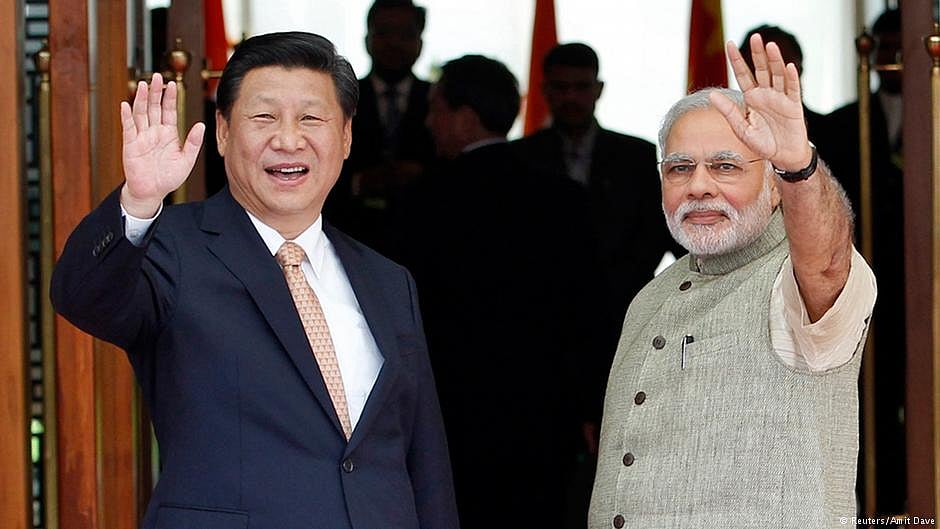
India’s proposed changes to its Press Note 3 (PN3) investment rules could significantly increase foreign direct investment flows, with large institutional funds from the United States and European Union emerging as unexpected beneficiaries.
The policy revision aims to clarify restrictions that were introduced in 2020 to scrutinise investments from countries sharing land borders with India, a move widely understood to target investment from China amid concerns during the COVID-19 pandemic, said a moneycontrol report.
Under the existing framework, entities linked to such countries cannot invest in India through the automatic route and must seek prior government approval before making Foreign Direct Investment (FDI).
However, the rules did not specify a minimum equity threshold requiring approval. As a result, some investors interpreted the policy to mean that even a purchase of a single share by a fund with Chinese investors could trigger regulatory clearance.
This lack of clarity led several global investment funds to avoid Indian opportunities altogether if they had any Chinese limited partners (LPs) in their investor base, even when the majority of capital came from Western institutions.
According to media reports of the proposed revision, investments below 10 per cent of a company’s equity will not require prior government approval. The move is expected to benefit institutional investors that typically take passive minority stakes.
“Large US and European private equity funds, pension funds and sovereign wealth investors with even a small Chinese LP were technically caught by PN3 and often chose to bypass India due to uncertain approval timelines,” said Binoy Parikh, partner at Katalyst Advisors.
He said the introduction of a 10 per cent threshold effectively distinguishes passive financial investment from strategic Chinese investment — a distinction that was previously missing.
The government has also proposed creating a fast-track approval window for Chinese investments in sectors such as electronics manufacturing and components used in Electric Vehicles (EVs). Applications submitted under this route would be decided within 60 days, addressing long-standing concerns over delays.
Currently, PN3 approvals do not have a fixed timeline, and investment proposals can remain pending for months.
“The relaxation represents a pragmatic shift from a blanket restriction to a more nuanced threshold-based approach,” said Ankita Singh, founder of Sarvaank Associates. She added that the move would remove a major compliance hurdle for global funds based in the US and Europe.
Press Note 3 was introduced during the Covid-19 crisis amid fears that foreign investors could acquire distressed Indian companies at low valuations, potentially leading to hostile takeovers.
While the policy does not explicitly name China, it applies to investors from countries that share land borders with India.
Importantly, the restrictions apply only to foreign direct investment in unlisted companies. Investments in listed firms through the Foreign Portfolio Investor (FPI) route were never restricted, though many investors adopted a cautious approach due to the regulatory ambiguity.
Join our official telegram channel (@nationalherald) and stay updated with the latest headlines