Business
Jimmy Tata questions Noel’s family appointments, seeks Tata Sons listing
Ratan Tata’s younger half-brother warns of concentrated control over charitable trusts and backs Chandrasekaran amid widening governance dispute
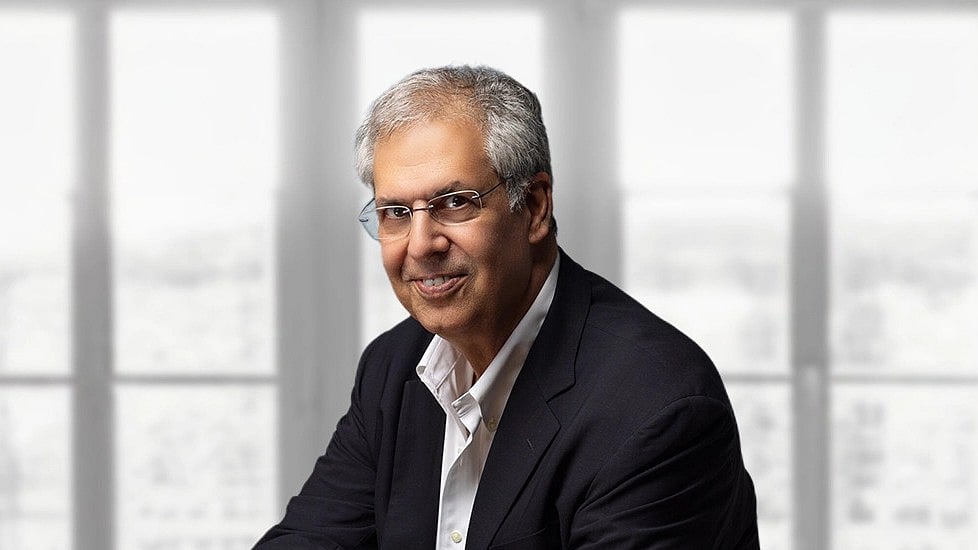
Jimmy Tata has accused Noel Tata of concentrating family influence within Tata Trusts, warning of a potential “back-door takeover” of Tata Sons
He has backed N Chandrasekaran’s continuation as chairman and questioned governance provisions that he says concentrate authority
Jimmy has urged the RBI to enforce Tata Sons’ listing and sought intervention to protect the trusts’ charitable objectives
Jimmy N. Tata has accused Tata Trusts chairman Noel Tata of seeking to consolidate family influence over the charitable institutions that control Tata Sons, warning that the appointments could amount to a “back-door takeover” of the conglomerate’s holding company.
The 85-year-old trustee of the Sir Ratan Tata Trust expressed his concerns in a documented conversation with another trustee, who subsequently briefed fellow trustees, according to people familiar with the discussion.
Jimmy, the younger half-brother of the late Ratan Tata, argued that bringing several members of the chairman’s family into the trusts conflicted with their founders’ intention to create institutions serving the public.
He maintained that trustees were custodians of charitable assets and that allowing more than one family member to serve on a trust risked conferring effective control over its Tata Sons shareholding without any financial consideration.
His intervention adds to disagreements over governance at Tata Trusts, which collectively own about 66 per cent of Tata Sons, the holding company of the $277-billion Tata group. The differences encompass trustee appointments, N Chandrasekaran’s proposed third term as chairman and whether Tata Sons should be listed.
Noel Tata and trustee Darius Khambata have opposed another five-year term for Chandrasekaran and resisted a public listing. Their position is that listing could weaken the group’s distinctive governance arrangements and the trusts’ ability to protect its long-term interests.
Vice-chairmen Venu Srinivasan and Vijay Singh have supported Chandrasekaran’s reappointment and argued that Tata Sons must comply with regulatory obligations, including the RBI’s listing framework.
Speaking at the Hindustan Times Leadership Summit on 14 November, Noel defended private ownership of Tata Sons, warning that listing could place greater emphasis on profits at the expense of philanthropy.
Jimmy, however, said the Sir Ratan Tata Trust and Sir Dorabji Tata Trust were established through their founders’ wills and trust deeds for public benefit. Together, the two institutions hold 51.54 per cent of Tata Sons.
Their founders, who had no children, left their wealth for purposes including poverty relief and the preservation of Indian culture, he said. He cited J R D Tata and Naval Tata as leaders who recognised the responsibilities attached to overseeing those institutions.
Jimmy also challenged amendments made to Tata Sons’ Articles of Association around 2013–14. He argued that these had weakened the separation between charitable oversight and commercial management by giving the Tata Trusts chairman extensive veto and director-nomination powers.
Differences in tenure rules for trustees had further eroded independence, he said, questioning arrangements under which some trustees faced fixed terms while others were exempt.
He contended that Srinivasan, whose Sir Ratan Tata Trust term expires in December, was being targeted for opposing the induction of Noel’s son. He also linked Vijay Singh’s earlier removal to an article in which Singh had raised governance concerns.
Backing Chandrasekaran, Jimmy credited him with improving the performance of debt-laden group companies and generating strong earnings and dividends. He said Chandrasekaran had secured a 4–1 majority on the Tata Sons board and unanimous support through a Tata Trusts resolution, but Noel had nevertheless sought to block his continuation using veto provisions.
On listing, Jimmy urged the RBI to impose firm deadlines, arguing that public ownership would strengthen transparency and statutory accountability.
The regulatory question has become more pressing following the RBI’s September 2026 rejection of Tata Sons’ application to surrender its registration as a core investment company. Its classification as an upper-layer non-banking financial company in 2022 triggered a three-year listing deadline that expired in September 2025.
Tata Sons had sought to leave that framework after repaying substantial debt. The Shapoorji Pallonji Group, which owns 18.37 per cent of the company, has supported a listing to unlock the value of its investment.
Jimmy warned against any restructuring into smaller entities intended to avoid listing requirements. Citing the listing of Tata Consultancy Services under Ratan Tata, he argued that public market participation could benefit the group.
He also called for intervention by the government and the charity commissioner to safeguard the trusts’ founding objectives.
With PTI inputs
Join our official telegram channel (@nationalherald) and stay updated with the latest headlines