Business
Oil eases after crossing $100, but West Asia tensions keep markets on edge
Brent slips below the USD 100 mark after touching a three-month high as traders weigh conflict risks and potential supply disruptions
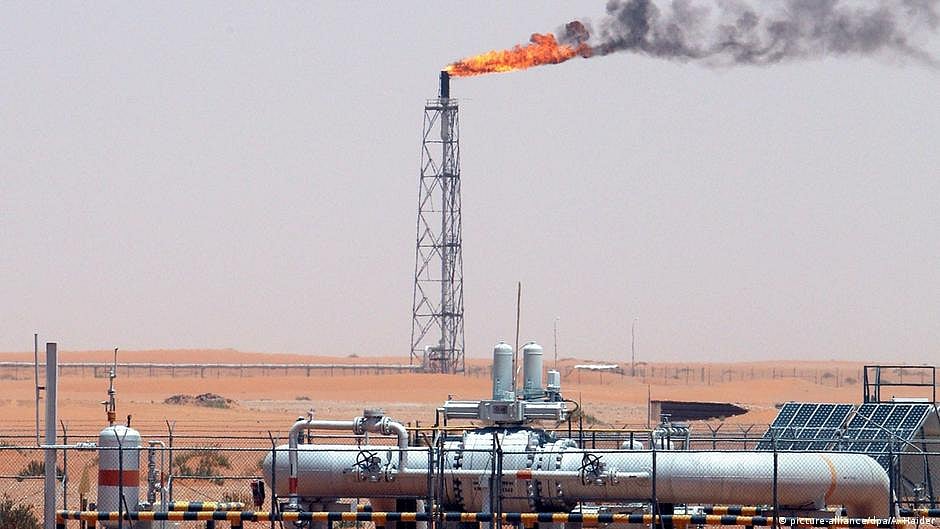
Global crude oil prices edged lower in early trade on Friday after surging above the USD 100-a-barrel mark, with investors continuing to assess the impact of escalating tensions in West Asia and the growing risk of disruptions to global energy supplies.
September Brent crude futures were trading at USD 100.33 (10 a.m.) a barrel, down 0.36 per cent, while September West Texas Intermediate (WTI) crude futures fell 0.56 per cent to USD 91.67 a barrel.
On the Multi Commodity Exchange (MCX), August crude oil futures declined 1.76 per cent to Rs 8,865, while September contracts slipped 1.89 per cent to Rs 8,418 during early trading.
The decline followed a sharp rally on Thursday, when Brent crude crossed the USD 100-a-barrel mark for the first time since May amid heightened geopolitical tensions, The Hindu Businessline said.
The latest market volatility comes after the US Central Command confirmed that it had carried out a 13th consecutive night of military strikes against Iran. According to the US military, the operation targeted Iranian command centres, drone storage facilities, communication networks, coastal surveillance sites and maritime assets aimed at reducing threats to commercial shipping passing through the Strait of Hormuz.
The US military said the strategically important waterway remained open to commercial traffic despite recent attacks attributed to Iran's Islamic Revolutionary Guard Corps, adding that merchant vessels continued to transit the strait with US military support.
Analysts said concerns over a widening regional conflict continue to dominate market sentiment.
Warren Patterson, Head of Commodities Strategy at ING Think, and Commodities Strategist Ewa Manthey said Brent's move above USD 100 reflected growing fears that the conflict could disrupt oil supplies from the Gulf.
They noted that attacks by Yemen's Houthi movement on Saudi vessels in the Red Sea, coupled with the possibility of further escalation involving Iran, had heightened concerns over the security of regional energy infrastructure.
US President Donald Trump also escalated his rhetoric, warning that Iran would be held responsible for attacks on commercial shipping in the Red Sea and indicating that Washington could intensify its military response.
In a post on Truth Social, Trump said the United States would seek compensation from Iranian funds under its control for any damage caused to ships or cargo linked to attacks in the region.
ING analysts said the market was likely to remain supported in the absence of signs of de-escalation, adding that oil prices could continue rising if the conflict intensifies. They suggested that pressure for renewed diplomatic engagement could increase if Brent crude approaches USD 120 a barrel.
The analysts also pointed to broader supply risks, noting that oil flows through the Strait of Hormuz had slowed sharply, while exports from Saudi Arabia through the Red Sea and crude shipments from Kazakhstan via Russia's Caspian Pipeline Consortium (CPC) terminal also face potential disruptions.
In the domestic commodities market, mentha oil futures on the MCX fell 1.08 per cent to Rs 1,285.10 during early trade.
On the National Commodities and Derivatives Exchange (NCDEX), August dhaniya futures declined 1.99 per cent to Rs 15,460, while August jeera contracts slipped 1.07 per cent to Rs 20,820.
Join our official telegram channel (@nationalherald) and stay updated with the latest headlines