Business
Oil markets on edge as Iran crisis drives shipping risks higher
Crude prices rise sharply after US threatens military action against Iranian energy infrastructure if the vital waterway is not reopened
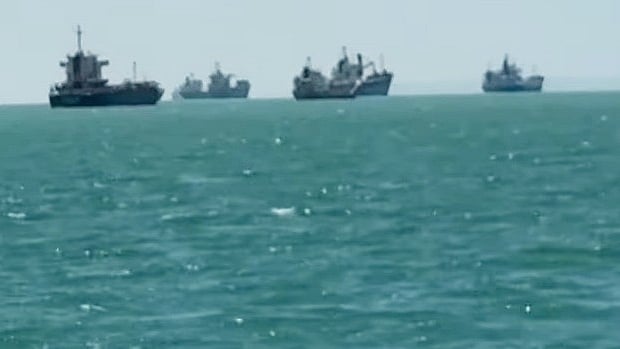
Global energy markets and supply chains are facing increasing pressure as tensions involving Iran and the Strait of Hormuz intensify, driving up oil prices and heightening concerns over disruptions to one of the world’s most crucial shipping routes.
According to CNN, crude prices moved higher after US President Donald Trump warned of possible strikes on Iranian energy infrastructure if Tehran does not reopen the strategic waterway. Brent crude rose by 1.4 per cent to $110.60, while US crude climbed 1.8 per cent to $113.60.
The Strait of Hormuz, located between Iran and Oman, is a critical conduit for global oil shipments. The Washington Post reports that around 20 per cent of the world’s oil supply passes through the narrow channel each year, underlining its strategic importance.
Shipping activity has already been affected by the standoff. As reported by Fox News, a senior Bahraini official said tanker traffic has fallen by more than 90 per cent due to Iran’s actions, raising alarm over broader supply chain disruptions. The official warned that the situation is now threatening not only energy flows but also global food security and economic stability.
The disruption is extending beyond oil markets. Interruptions to maritime trade are beginning to affect food and fertiliser supply chains, with officials cautioning that the consequences could spread across multiple sectors. The Bahraini foreign minister noted that the crisis has moved beyond initial threats to vessels and now poses a wider risk to global stability.
Market volatility is also evident in fuel prices. In the United States, petrol costs have surged, with Fox News reporting the national average at approximately $4.11 per gallon, marking a sharp increase in recent weeks. Prices have risen across nearly all regions, with some areas recording significantly higher levels.
Jet fuel prices have also climbed steeply, more than doubling within weeks, according to industry data cited by Fox News. This has increased operating costs for airlines and raised the likelihood of higher fares and reduced flight capacity.
Analysts warn that any prolonged disruption in the Strait of Hormuz could further strain global logistics, particularly for energy-importing regions in Asia and Europe. The uncertainty is also weighing on financial markets, which remain sensitive to supply shocks.
The New York Times reported that Brent crude rose to about $111 over the weekend, reflecting growing concern among investors about the potential economic fallout from the crisis.
Diplomatic efforts to ease tensions remain ongoing but uncertain. Oman has been involved in last-minute negotiations with Iran, while regional players, including Pakistan, have also engaged in talks, according to CNN.
Despite these efforts, Iranian officials have indicated that the strait will remain closed unless their demands are met. One senior official stated that the waterway would stay blocked until Iran receives compensation for war-related damages.
The crisis has prompted warnings from energy producers and international organisations. Members of OPEC+ have expressed concern about potential damage to infrastructure and the risk of prolonged supply disruptions. They cautioned that restoring energy facilities to full capacity would be both costly and time-consuming.
With IANS inputs
Join our official telegram channel (@nationalherald) and stay updated with the latest headlines