Business
Sensex, Nifty tumble nearly 3% as oil shock and global sell-off rattle markets
Surging crude prices, foreign investor outflows and a weakening rupee trigger broad-based decline across sectors
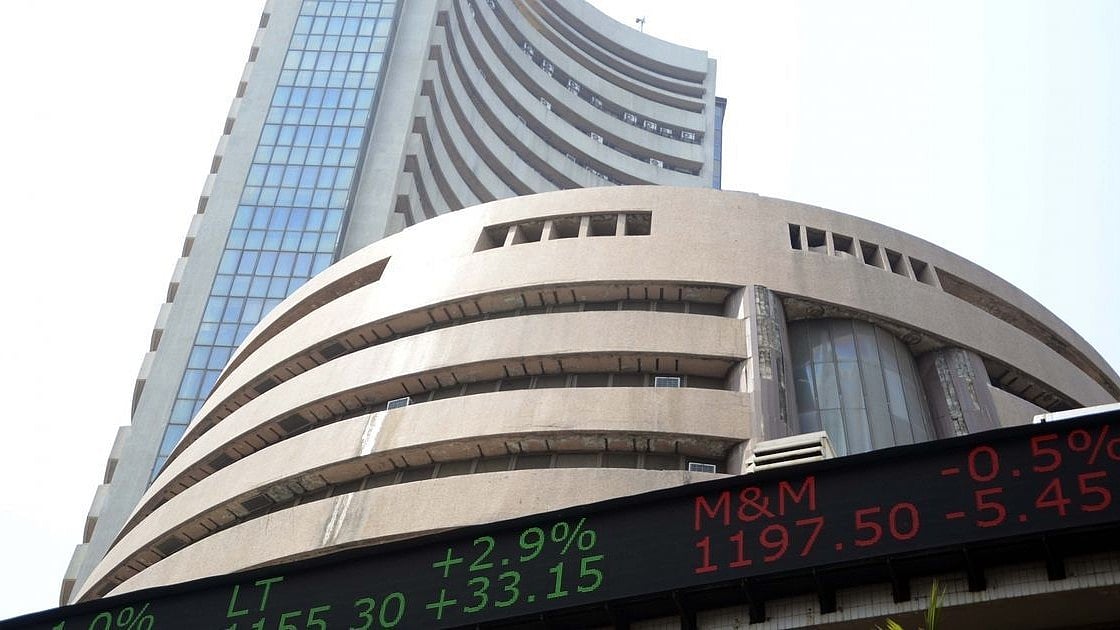
India’s benchmark equity indices fell sharply on Monday, with the Sensex and Nifty dropping nearly three per cent as a surge in global crude oil prices, weak global market cues and continued foreign investor selling weighed heavily on sentiment.
The BSE Sensex plunged 2,345.89 points, or 2.97 per cent, to close at 76,573.01. The NSE Nifty 50 declined 708.75 points, or 2.89 per cent, to 23,741.70.
The sell-off was broad-based, with all 16 major sectoral indices trading in negative territory. Broader markets also came under significant pressure, with the Nifty Midcap 100 and Nifty Smallcap 100 indices each falling by around three per cent.
Oil price surge weighs on sentiment
A major trigger for the market decline was the sharp spike in crude oil prices. Brent crude, the global benchmark, surged around 26 per cent in early trading to approximately $119 per barrel, its highest level since July 2022.
The rally comes amid escalating tensions in the Middle East and disruptions to energy shipments from the region. Reports indicate that oil producers such as Iraq and Kuwait have begun cutting output, while Qatar has reduced liquefied natural gas supplies as the ongoing conflict continues to affect shipping routes.
The surge in oil prices is seen as particularly negative for India, which relies heavily on imported crude. Higher oil prices can increase the country’s import bill, fuel inflation and weigh on corporate profitability, all of which tend to dampen investor confidence.
VK Vijayakumar, chief investment strategist at Geojit Investments, said the spike in crude prices had delivered a significant shock to global markets.
“Brent crude rising above $115 represents a major oil shock for economies and markets. Large oil importers like India could be significantly affected if the West Asian conflict persists and crude prices remain elevated,” he said.
Global markets also under pressure
Asian markets also witnessed a sharp sell-off. South Korea’s Kospi dropped more than seven per cent, while Japan’s Nikkei 225 declined about 6.5 per cent. Markets in China and Hong Kong also traded lower.
Wall Street had ended in negative territory on Friday, and US stock futures were down by as much as two per cent on Monday, signalling a potentially weak opening for American markets later in the day.
Foreign investor selling intensifies
Persistent selling by foreign institutional investors (FIIs) further weighed on the Indian market. On Friday alone, FIIs sold equities worth Rs 6,030.38 crore.
According to market analysts, the net buying seen from foreign portfolio investors in February has reversed sharply amid the uncertainty caused by the Middle East conflict.
In the first four trading sessions of March, foreign investors have already sold Indian equities worth more than Rs 21,800 crore.
Analysts say geopolitical uncertainty, the vulnerability of the Indian economy to higher crude prices and the weakening rupee have contributed to the continued outflow of foreign capital.
Market experts believe foreign investors may remain cautious until there is greater clarity on the geopolitical situation and oil prices begin to stabilise.
Rupee weakens and volatility surges
The Indian rupee also came under pressure, weakening by 46 paise to 92.28 against the US dollar in early trade. The currency briefly approached its record intraday low after opening at 92.22 in the interbank foreign exchange market.
Traders attributed the decline to rising crude prices, persistent foreign investor outflows and the sharp fall in domestic equity markets.
Meanwhile, market volatility rose significantly. India VIX, often referred to as the market’s “fear index”, jumped more than 21 per cent to 24.18, its highest level in nearly 21 months. A sharp rise in the volatility index typically signals increased uncertainty and heightened risk perception among investors.
Banking stocks under pressure
Banking stocks were among the worst hit during the session. Public sector bank shares fell more than five per cent after having already declined sharply last week.
Concerns that higher crude oil prices could lead to rising inflation and borrowing costs, potentially pushing up bond yields and reducing treasury gains, weighed on the sector.
Major private lenders such as HDFC Bank and ICICI Bank also declined by more than three per cent.
Technical outlook
Market strategists warned that the correction could deepen if key support levels are breached.
Anand James, Chief Market Strategist at Geojit Investments, was quoted by moneycontrol as saying that the Nifty could decline towards the 23,535 level, which would mark a 61.8 per cent retracement of the market’s rally since March 2025.
A fall below this level could open the door for further downside, potentially taking the index towards the March 2025 lows near 22,000 and even the November 2023 level around 19,000.
He added that any near-term recovery would depend on the index’s ability to regain and sustain levels above 24,000.
Join our official telegram channel (@nationalherald) and stay updated with the latest headlines