Business
West Asia crisis, high fuel prices continue to drag Indian aviation recovery
Capacity rationalisation continues as carriers navigate geopolitical uncertainty and cost pressures
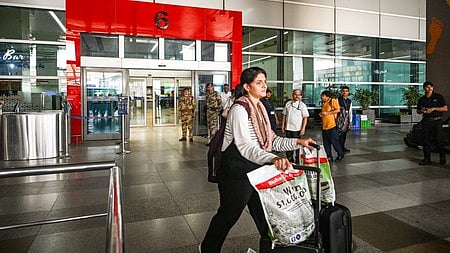
Geopolitical tensions in West Asia and persistently high fuel costs continue to hamper the recovery of India’s aviation sector, affecting passenger traffic, capacity deployment and airline profitability, according to the latest Aviation Tracker report by Equirus Securities.
The report highlighted that international operations remained under significant pressure in April 2026 as disruptions linked to the West Asia conflict continued to impact travel demand and network efficiency.
International passenger traffic carried by Indian airlines stood at around 1.8 million passengers during the month, marking a decline of 39 per cent compared with the same period last year and a marginal fall of 1 per cent from March. Revenue Passenger Kilometres (RPKs), a key indicator of passenger demand, dropped 33 per cent year-on-year to 7.2 billion, while flight departures fell 37 per cent despite a slight sequential improvement.
Airlines continued to rationalise capacity in response to weaker demand. Available Seat Kilometres (ASKs) declined by about 28 per cent year-on-year, but the reduction in demand outpaced capacity cuts, resulting in a sharp deterioration in passenger load factors. The average load factor fell to approximately 75.5 per cent, down 617 basis points from a year earlier and 735 basis points from the previous month.
According to the report, the lingering impact of the West Asia conflict remained evident across international operations, affecting both traffic volumes and route performance.
Operating costs also remained elevated. Brent crude averaged around $92 per barrel in April, representing a 44 per cent increase year-on-year, while Singapore jet fuel prices rose 65 per cent to approximately $128 per barrel. Although fuel prices moderated sequentially, they remained significantly higher than last year's levels.
The weakening rupee added to the pressure on airline finances. The Indian currency traded at around 95 against the US dollar, reflecting an 11 per cent year-on-year depreciation and increasing costs linked to aircraft leasing, maintenance and other dollar-denominated expenses.
Domestic aviation turbine fuel (ATF) prices also remained high, averaging around Rs 105,600 per kilolitre. This represented an 18 per cent increase compared with a year ago and a 9 per cent rise from the previous month. The report noted that government intervention had continued to limit the extent to which global fuel inflation could be passed on to consumers through higher fares.
The domestic market also witnessed softer demand. Passenger traffic declined to approximately 13.9 million in April, down 3 per cent year-on-year and 4 per cent month-on-month. At the same time, capacity continued to expand, with ASKs increasing by around 3 per cent, leading to lower aircraft utilisation levels.
The report said the West Asia conflict remains the most significant overhang for the sector. While airlines have responded through route rationalisation and capacity adjustments, international operations continue to face challenges from disrupted travel patterns and subdued demand.
With fuel prices remaining elevated and geopolitical uncertainty persisting, the report suggested that a broad-based recovery in the aviation sector is likely to take longer than previously anticipated.
With IANS inputs
Join our official telegram channel (@nationalherald) and stay updated with the latest headlines