Cricket
Group D: Proteas poised to fly high; a two-way battle for second spot
New Zealand the best bet to be the second qualifier to Super Eight, but they need to be wary of Afghanistan
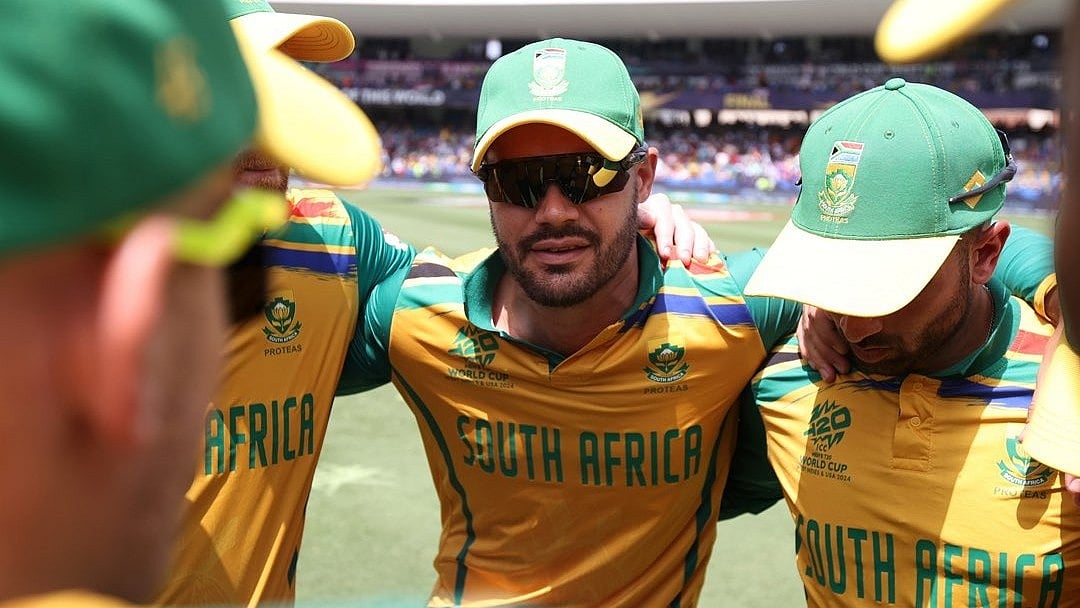
Teams: South Africa, New Zealand, Afghanistan, Canada, UAE
While Group D is not exactly a Group of Death, it’s somewhat tricky to zero in on the qualifiers for Super 8 stage. South Africa, for whom it was no-near-yet-so-far last time in 2024 when they lost the final to India by an agonising nine runs, will be upbeat as they had returned from India last yearend with a stupendous Test series win.
Led by Aiden Markram, they have all the bases covered and seems to be in pole position to be the group toppers. Talk about the second team, it’s a toss-up between New Zealand and Afghanistan and I will stick my neck out in favour of the former. The Kiwis have a history of stealing the thunder of fancied teams and gave India a real fright in the 2023 ICC World Cup semi-final but the spin-heavy Afghans also have what it takes to thrive in Indian conditions, though they appear short on experience.
South Africa (Odds: 13/2 – 7-1)
Can the Proteas do one better from their runners-up finish in the last T20 World Cup in 2024? The self belief they created by shocking Australia in the World Test Championship (WTC) final last year has done wonders for their cricket – and it’s time now to translate it into some white ball success. They have the wherewithall, alongwith a successful SA T20 League, but then it’s better to think one step at a time.
Strength: The return of Quinton de Kock in the international cricket gives South Africa both experience and firepower at the top of the order with captain Aiden Markram, with young turks like Dewald Brevis and Tristan Stubbs occupying the middle order and David Miller bringing up the rear as a finisher.
Allrounders such as Marco Jansen and George Linde offer both bowling options and useful runs in the 15-20 overs, providing balance to the team. However, it’s the pace bowling department where they pack a punch with Kagiso Rabada bringing pace, strike power and leadership while Anrich Nortje working up a hard length lengths. Ngidi continues to provide wicket-taking options with his disciplined seam bowling while left-arm Jansen adds variety to challenge batters with his angles.
Weaknesses: However, there are a few vulnerabilities as the finishing relies heavily on Miller and if he is off form or carrying a minor injury, the responsibility shifts to Brevis, Stubbs or other allrounders, who can be streaky under pressure. The spin department lacks a specialist wrist spinner, meaning wicket-taking options in the middle overs could be limited against teams that rotate and sweep effectively. This puts extra pressure on the seamers to consistently strike.
Squad: Aiden Markram (c), Corbin Bosch, Dewald Brevis, Quinton de Kock, Marco Jansen, George Linde, Keshav Maharaj, Kwena Maphaka, David Miller, Lungi Ngidi, Anrich Nortje, Kagiso Rabada, Ryan Rickelton, Jason Smith, Tristan Stubbs.
New Zealand (Odds: 14-1)
If there is one thing that the Kiwis have shown over the years, it’s the meticulous planning they bring into their game to conquer the conditions. This is what has worked wonders for them in the Indian sub-continent, be it a 3-0 sweep against a star-studded India in 2024 Test series or the recent ODI series where Daryll Mitchell proved the nemesis for India.
One can expect the same from them, especially in tackling the superior quality of Afghanistan’s spin bowling as the New Zealand-Afghanistan match will go a long way in determining the fate of the group. The likes of Mitchell, Devon Conway or Glenn Phillips – with years of IPL experience behind them – are hardly flustered by pressure situations.
Strengths: The middle order is built to handle disruption - Conway and Mitchell can steady the innings if the powerplay goes wrong while Phillips provides instant momentum without needing ideal conditions. With players like Mark Chapman, Michael Bracewell and Phillips able to float in the order, New Zealand can adapt to both low-scoring battles and high-scoring shootouts without reshuffling the lineup every game.
Talking spin, captain Mitchell Santner and Ish Sodhi remain New Zealand’s frontline spin weapons but the real advantage lies in the support cast. The part-time spin of Phillips, Michael Bracewell and Rachin Ravindra give the captain multiple match-up options, especially on pitches where variations and changes of pace are more effective than sheer speed. This depth allows New Zealand to keep batters guessing rather than relying on just two bowlers.
Weakness: Fast bowler Adam Milne’s hamstring injury has already forced New Zealand to reshuffle with Kyle Jamieson stepping into the main squad. Another injury could leave the pace attack short on options, shifting the team from proactive bowling plans to damage control. Finn Allen’s aggressive style can deliver explosive starts, but it also brings risk. Early collapses remain a possibility, especially on sub-continent pitches, making it vital for the middle order to clearly understand when to consolidate and when to counterattack.
Squad: Mitchell Santner (c), Finn Allen, Devon Conway, Rachin Ravindra, Glenn Phillips, Daryl Mitchell, Michael Bracewell, Mark Chapman, James Neesham, Ish Sodhi, Matt Henry, Lockie Ferguson, Jacob Duffy, Kyle Jamieson.
Join our official telegram channel (@nationalherald) and stay updated with the latest headlines