Cricket
NZ Test: Delay in declaration, no Siraj pose key questions after the draw
A record-breaking 700-plus total not enough for India to force a much-needed win
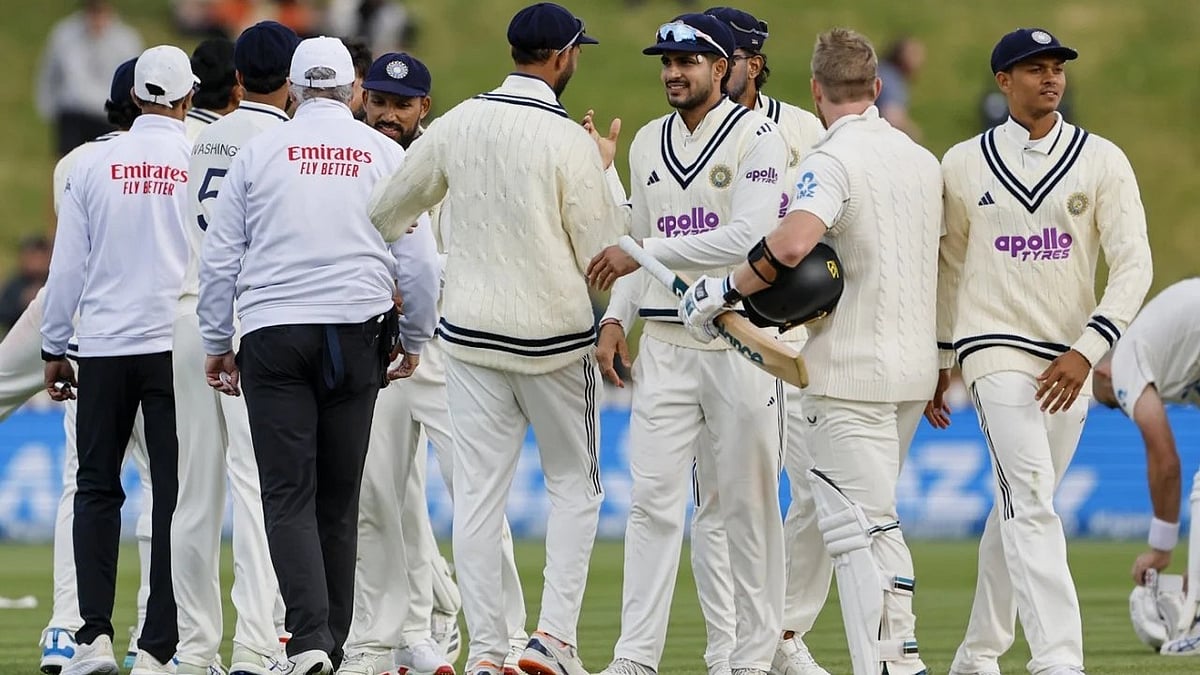
A case of so-near-yet-so-far? That is how the Indian camp is likely to look back on it after missing a golden opportunity to close out the first Test against New Zealand – a result that has left their chances of reaching the World Test Championship (WTC) final looking rather bleak.
What makes it even more frustrating for Shubman Gill & Co is that they dropped eight points and remain stuck in fourth place, with South Africa, Australia and New Zealand occupying the top three spots. This, despite a record-breaking batting performance that saw them pile up 720 for nine declared and a relatively inexperienced new-ball attack restrict the hosts to 368 all out within the first two days.
In the pre-WTC days, such a draw would have earned India plenty of brownie points, considering that their last Test win in that part of the world came 17 years ago. India have played three Test series in New Zealand since then, with some stellar names featuring in the playing XIs, but a victory has remained elusive. Historians of the game also point out that on two previous occasions – in Sydney in 2004 and Colombo in 2010 – India posted 700-plus totals but failed to win the Tests.
There is little time before the Christchurch Test for Gautam Gambhir to reflect on what could have been done differently, if he chooses to. However, one must give the Kiwis credit for their discipline in keeping India at bay. Their top order lacks the big names capable of matching the now-retired Kane Williamson, while the lack of bowling variety was palpable, with left-arm spinner Mitchell Santner ruled out of the Test series due to injury.
While Henry Nicholls was adjudged Player of the Match, largely for his first-innings century on a wicket that offered some assistance to the bowlers, it was the resilience of two of the scrappers in the Kiwi line-up – Daryl Mitchell and Glenn Phillips – that saved the day for the hosts. Needing eight wickets on the final day, India struck twice early before opportunities became few and far between, as a middle-order rearguard yielded 63 runs for the sixth wicket and denied them victory.
It’s quite possible that a lot of the blame will be heaped on the doorstep of two of Jasprit Bumrah’s partners – especially Prasiddh Krishna and Anshul Kamboj. The ripple effect of Mohammed Siraj’s exclusion from the playing XI has also not died down yet but one has to factor in the Basin Reserve wicket, had become as dead as ever on the last three days. If it made the job of Rishabh Pant, Gill or Dhruv Jurel easier to plunder the runs, it also made it all the frustrating for the Indian bowlers in search of those ‘eight good balls’ to wrap it up.
There are other key questions as well – could India have avoided batting till more than an hour after lunch on fourth day with an eye on personal landmarks of some of the batters? Could Gill have attacked a bit more, especially in the final session of Day IV? When asked as to whether India should have retired a bit early, Jurel’s answer was they wanted at least a cushion of 350-run first innings lead as they didn’t want to bat again on a fifth day wicket.
It’s a matter of debate but then, the decision did reflect an iota of defensive thinking. Honourable draws, in the current context, will not really help!