Cricket
T20 final: Did Kiwis have a brainfade in choosing playing XI, tactics?
I guess it’s not ideal, losing semis and finals, crestfallen captain Mitchell Santner admits
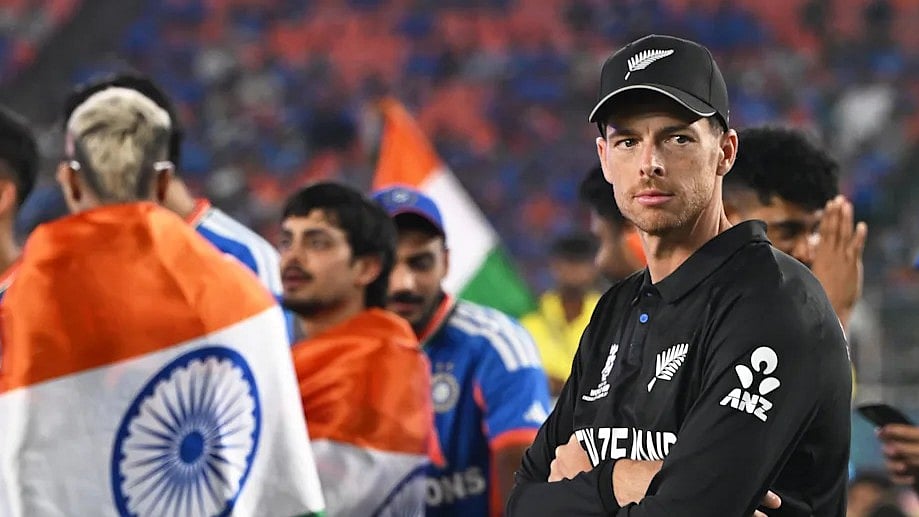
The morning after India’s record third ICC T20 World Cup trophy, one question was gnawing at the minds of a sizeable number of cricket fans: how did New Zealand get things so wrong, from tactics to the selection of their playing XI? For a team whose meticulous planning has repeatedly helped them punch above their weight in ICC tournaments, such decisions appeared baffling.
While the fact of the matter is that Mitchell Santner’s men were not exactly Pat Cummins & Co who could ‘silence’ the 90,000-odd Indian fans, it was all the more reason for them to take their chances. For starters, the Kiwi captain’s decision to field on what looked like a batting-friendly wicket seemed off the mark, given the firepower in the Indian batting line-up, which had piled up a 250-plus total in the semi-final only three days earlier in Mumbai.
It is common wisdom that runs on the board always matter in a big game, while hoping for dew to make batting easier during a chase can often be presumptuous. No wonder this was the first question thrown at Santner after the game. He argued that the match could still have been within reach had India been restricted to around 220.
“I guess you can look at it in hindsight, but I think it was a very good wicket throughout. So either way you look at it, if we could have got a couple in the powerplay and squeezed them a little in the middle overs, 220 could have been chased down on a good wicket,” he said.
The next question concerned the composition of the playing XI, with the Kiwis dropping tall off-spinner Cole McConchie even though India’s top three had visibly struggled against off-spinners in the tournament. McConchie had dented the Proteas’ top order in the semi-final, but Santner opted for an extra pace option in Jacob Duffy despite admitting that the wicket didn’t offer much for bowlers.
The Kiwis also gambled with Glenn Phillips inside the powerplay, and he did exceedingly well to concede just five runs. However, he was taken off the attack soon after and did not bowl another over, even as Matt Henry and Lockie Ferguson sprayed the ball on either side of the wicket, often beyond the reach of Sanju Samson and Abhishek Sharma, conceding several wides.
This helped ease the pressure on a struggling Abhishek, as the opener soon broke the shackles and raced to his second fifty of the tournament at a strike rate of 247.62.
It was, hence, another case of so near yet so far. However, the manner in which the Kiwis capitulated raises serious questions about whether they can win a high-pressure ICC tournament final. Since winning the ICC Champions Trophy (in its earlier avatar) in 2000 in Nairobi, their record in global finals has been two wins from eight attempts — the other being the World Test Championship in 2021. Incidentally, this was their fifth white-ball final in 11 years, but it brought no change in fortune.
“I guess it’s not ideal losing semis and finals, but like I said the other day, when you get to this stage you’re coming up against teams that are also playing very good cricket,” Santner added.
Join our official telegram channel (@nationalherald) and stay updated with the latest headlines