Culture
UP’s ‘One District, One Cuisine’ list sparks debate over omission of meat dishes
Galawati kebab, Awadhi biryani missing as govt says cuisine list can still be revised
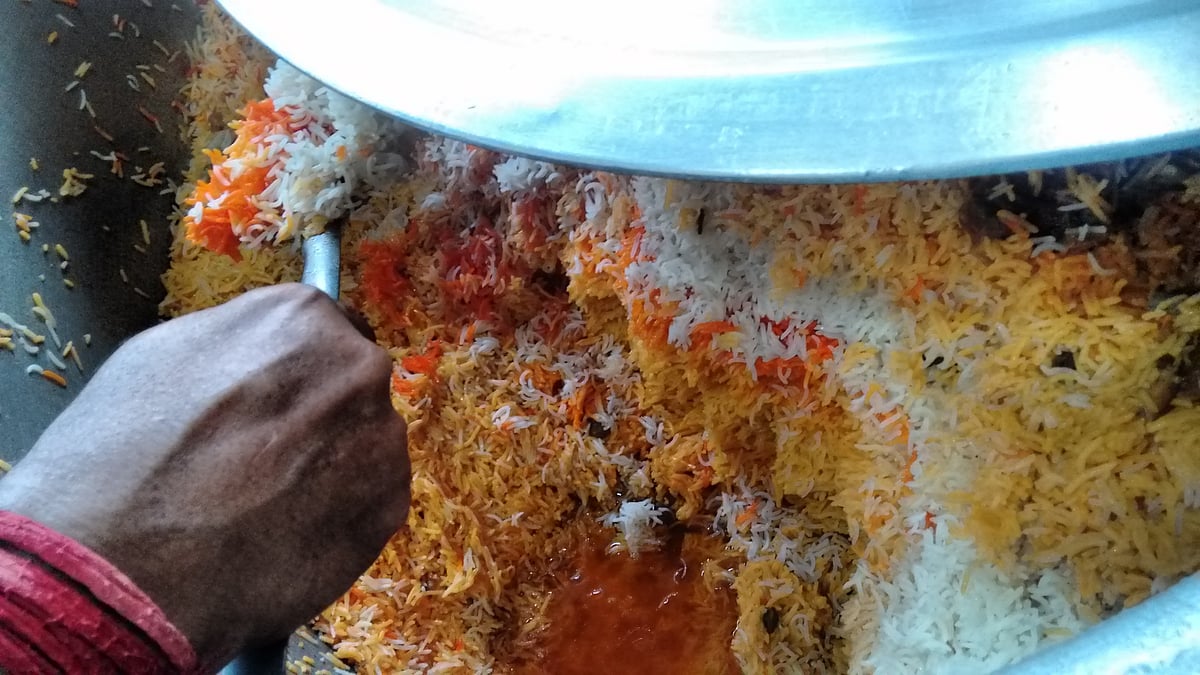
The Uttar Pradesh government’s newly approved ‘One District, One Cuisine Scheme’ has triggered debate after the list of 208 identified signature dishes across the state excluded all non-vegetarian items, leaving out iconic foods such as Galawati kebab and Awadhi biryani.
The scheme, launched by Amit Shah during UP Day celebrations in Lucknow on 24 January and formally cleared by the state Cabinet on 4 May, aims to identify and promote region-specific culinary traditions across Uttar Pradesh’s 75 districts and 18 divisions.
However, the absence of any meat-based dish from the final list has raised questions among food experts and cultural commentators.
Lucknow gets rewari, not Galawati Kebab
Under the scheme, Lucknow has been mapped with rewari, chaat, malayi makkhan and mango produce, while the Moradabad division features dal dishes and handi halwa.
The omission of globally recognised Awadhi staples such as Galawati Kebab — often considered synonymous with Lucknow’s culinary identity — has become the focal point of criticism.
Himanshu Bajpai, a Lucknow-based writer and storyteller, said the exclusion was difficult to understand.
“I am a vegetarian, but when a list of popular cuisines is prepared, the non-inclusion of Galawati Kebab, known worldwide for its ‘melt-in-the-mouth’ texture, comes as a surprise,” Bajpai said.
He also questioned whether any bias had shaped the selection process.
“If the aim is to promote lesser-known dishes, that is understandable. But if there is any bias in food selection, it should be explained,” he added.
Govt says list is ‘flexible’
Responding to criticism, Rakesh Sachan said the cuisine list was not final and could be revised based on public feedback.
“The list is flexible… cuisines can be changed any time based on local recommendations and public demand, with approval from the Chief Minister,” Sachan said.
He said district-level committees headed by District Magistrates, along with teachers, professors and local experts, had prepared the recommendations after surveys and consultations.
On the absence of meat dishes, Sachan said it was “not intentional”.
“If recommended in the future, they can be added,” he said, adding that the objective was to promote dishes with wider economic potential through packaging, branding and sales support.
Subsidies, branding support planned
According to officials, the state government is preparing financial incentives for producers and food businesses linked to the identified cuisines.
The scheme proposes:
25 per cent subsidy for new units, capped at Rs 20 lakh
Assistance in packaging, branding and marketing
Support for participation in exhibitions and food fairs
Officials said businesses could receive up to Rs 75,000 for national events and up to Rs 4 lakh for international exhibitions.
A food conclave is also being planned in Lucknow to showcase regional cuisines and involve local halwais and culinary experts. It remains unclear whether non-vegetarian chefs or traditional meat-based food businesses will be included.
Diverse regional mapping
The ODOC list maps each division with specific culinary products and traditions.
Among them:
Agra division: petha, dal moth, gajak
Mathura: peda and makhan mishri
Gorakhpur: litti-chokha
Basti: thekua
Varanasi: Banarasi paan, thandai, tiranga barfi
Jhansi: dal bafla
Prayagraj: bedami puri
Aligarh: kalakand
The list also includes niche local products such as black rice dishes from Chandauli and amla-based products from Pratapgarh.
Debate beyond food
Officials said the exercise aimed to balance popular and lesser-known food traditions while assessing packaging potential and market scalability.
But the omission of iconic non-vegetarian dishes from a state deeply associated with Awadhi cuisine has turned the initiative into a wider cultural and political debate over representation, culinary identity and selective heritage branding.
Join our official telegram channel (@nationalherald) and stay updated with the latest headlines