Environment
COP31 faces ‘ghost summit’ charge as draft deal drops all references to fossil fuels
The latest draft of the climate agreement removes a pledge to phase out fossil fuels and weakens electrification targets
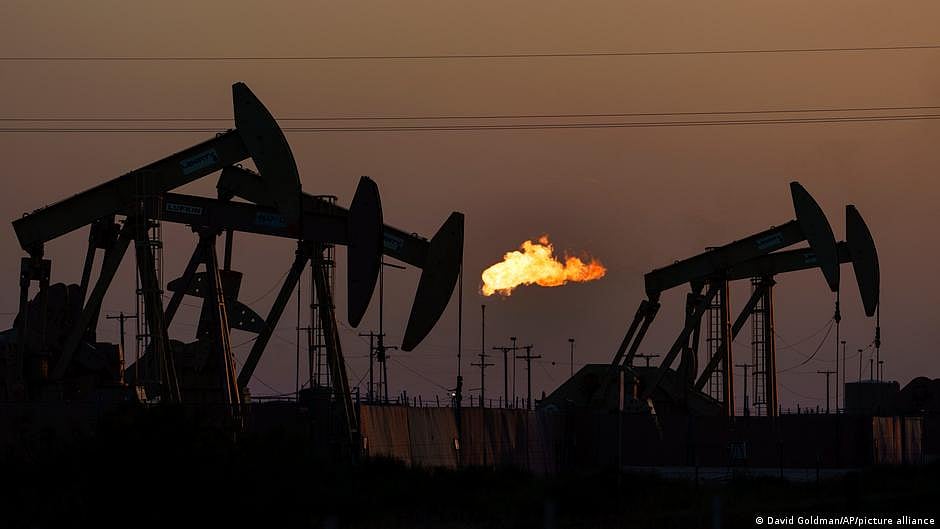
The COP31 climate summit in Turkey was on Thursday facing accusations of failing to deliver meaningful outcomes after its latest draft agreement removed all references to fossil fuels and offered little clarity on financial support for developing countries.
The second draft of the key outcome document, released on Thursday afternoon, dropped a pledge to phase out fossil fuels and weakened commitments on electrification. Separate negotiations on climate finance also failed to make progress on how developing countries would receive the money needed to tackle the climate crisis.
Campaigners warned that the summit risked becoming a “ghost COP”, with little to show for two weeks of negotiations.
Panama took the unusual step of writing to the Australian and Turkish presidents of the talks, warning that it would block any outcome unless all its demands were met.
“We have listened carefully to the speeches of these days,” said the letter signed by Panama's environment minister, Juan Carlos Navarro. “They are beautiful speeches. But while we listen to endless oratory, the planet is being destroyed.”
He added that the world outside the conference expected radical change, but the negotiations were failing to deliver it.
COP negotiations require consensus, giving Panama's position the potential to disrupt the talks, particularly if other countries support its stance.
The draft, known as the “cover decision”, is expected to form the main outcome of COP31 and contains commitments intended to advance the goals of the Paris Agreement on limiting global temperature rises.
However, in reducing the first 18-page draft, issued on Monday, by half, the joint presidencies of Australia and Turkey removed several commitments sought by vulnerable countries. These included a pledge to phase out fossil fuels and stronger support for developing countries to adapt to extreme weather.
Countries had agreed at COP28 in 2023 to transition away from fossil fuels, but subsequent negotiations have failed to translate that commitment into stronger action.
“If this version of the text remains, it will be a ghost COP. The summit will have nothing to show for what happened here,” said Mohamed Adow, director of the Power Shift Africa thinktank.
He said the talks had been “muzzled” by countries opposed to retaining the commitment to transition away from fossil fuels.
Rachitaa Gupta, global coordinator of the Global Campaign to Demand Climate Justice, said the cause of the climate crisis and responsibility for addressing it were clear, but the global North lacked the political resolve to provide the necessary finance.
Campaigners urged developing countries to reject the latest drafts and continue pressing for a stronger agreement.
Andreas Sieber of the campaign group 350.org accused the COP31 presidencies of reducing one of the defining challenges of the time to “an inconvenient paragraph they would rather delete”.
He also described rich countries' failure to deliver climate finance to poorer nations as a “historic disgrace”, saying they expected developing countries to shoulder the cost of the global transition without providing the means to achieve it.
Chris Bowen, Australia's climate and energy minister and president of the negotiations, defended the draft, saying it represented the most ambitious outcome that could secure consensus among participating countries.
His Turkish counterpart, conference president Murat Kurum, said the latest text demonstrated a “strong commitment to the Paris agreement” and insisted there was no retreat from previous commitments.
He defended the omission of the words “fossil fuels”, saying the issue had already been addressed at earlier climate summits.
The commitment to “transition away from fossil fuels” has been replaced by a weaker pledge for an “irreversible global transition towards low greenhouse gas emissions and climate resilience”. The draft nevertheless reaffirmed that limiting global temperature rises to 1.5 degrees Celsius above pre-industrial levels would remain central to the agreement, although that threshold is now certain to be breached.
A target for electricity to meet 35 per cent of global final energy demand by 2035 was also downgraded to a voluntary option among a range of measures.
Meanwhile, a separate negotiating track on climate finance produced a largely empty document, reflecting the lack of progress on delivering the $300 billion annually that developed countries have pledged to provide to developing nations by 2035.
The developments came as Chinese President Xi Jinping, US President Donald Trump and Russian President Vladimir Putin met at a leaders' summit in Shenzhen and pledged to “increase the production and supply of refined petroleum products for the benefit of all nations”. Tlou Ramaru of the African Group of Negotiators described the statement as “hypocrisy”.
The joint COP31 presidencies of Australia and Turkey began consultations with major negotiating groups and individual countries on Thursday afternoon. Meetings were expected to continue through the night and possibly into Friday morning.
The summit is scheduled to conclude at 6 pm local time on Friday, although climate negotiations have frequently extended beyond their official deadlines.
Join our official telegram channel (@nationalherald) and stay updated with the latest headlines