Environment
Record El Niño could intensify heat, threaten India’s monsoon and crops
Met Office forecasts unusually strong Pacific warming, with 2027 potentially overtaking 2024 as the hottest year on record
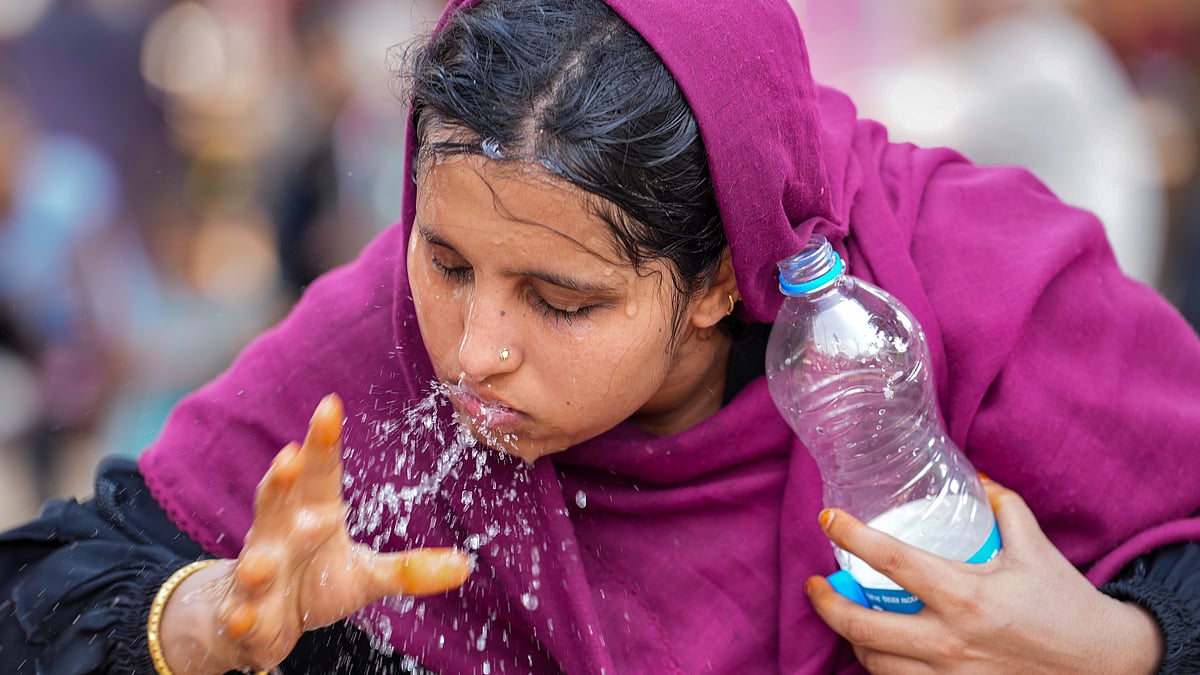
A potentially record-strength El Niño could intensify global warming and disrupt weather patterns, with scientists warning of further pressure on India’s monsoon and agricultural output over the coming year.
Britain’s Met Office has forecast that Pacific Ocean temperatures could rise more than 3C above normal, potentially making the 2026-27 El Niño the strongest in more than a century.
Adam Scaife, head of long-range forecasting at the Met Office, described the projected event as unprecedented in modern climate records. The 2015-16 El Niño, currently considered the strongest in recent records, peaked at an anomaly of about 3C.
A Climate Brink dashboard using forecast models from the US National Oceanic and Atmospheric Administration (NOAA) puts the possible peak at about 3.9C in November. Pacific sea-surface temperatures are currently around 2.6C above the rolling 30-year average.
India faces monsoon pressure
El Niño is already affecting rainfall patterns in India, with the Met Office reporting below-normal rainfall. The India Meteorological Department (IMD) has forecast the full monsoon season at 90% of the long-period average, which would be the lowest level in 11 years.
El Niño is a naturally occurring climate pattern involving unusually warm sea-surface temperatures in the central and eastern equatorial Pacific. It alters atmospheric circulation and can influence rainfall and temperatures across several regions, including India.
Its strongest effect on global temperatures generally occurs in the year after the event develops, raising concerns about 2027.
Nick Dunstone, another Met Office scientist, said 2027 was “very likely” to replace 2024 as the warmest year on record.
Global temperatures in 2024 exceeded 1.5C above pre-industrial levels, the threshold referenced in international climate commitments.
Agriculture could face two-season impact
The effects on India could extend beyond the current monsoon season, with scientists warning of risks to both the upcoming Rabi crop and agricultural output in 2027.
Raghu Murtugudde, emeritus professor at the University of Maryland and visiting professor at IIT-Kanpur’s Kotak School of Sustainability, said the impact could extend through the Rabi season and into next year.
He said India could face further heatwaves in spring 2027, while the eventual impact on the country’s agricultural output would depend significantly on the performance of the 2027 monsoon and prevailing ENSO conditions.
The government has already taken measures affecting commodities such as edible oils and sugar amid concerns over food supplies, he said.
Global heat concerns
A stronger El Niño could add to existing warming trends and increase the likelihood of extreme heat in several parts of the world.
Scaife cautioned that the forecasts represent long-term climate conditions rather than short-term weather predictions, but said the projected intensity was well beyond recent experience.
The Met Office assessment is broadly in line with earlier projections that a strengthening El Niño could increase the frequency and severity of extreme weather events.
El Niño events typically occur every two to seven years and last around nine to 12 months, although their effects can persist beyond the event itself. The phenomenon takes its name from the Spanish term for “the boy” and was historically used by fishermen in Peru and Ecuador to describe unusually warm ocean waters appearing around Christmas.
Join our official telegram channel (@nationalherald) and stay updated with the latest headlines